PicoVoyage

Charting your North East escape

Sikkim image 1 Sikkim image 2 Sikkim image 3 Sikkim image 4

Explore the region

Sikkim

Nestled within the formidable embrace of the Eastern Himalayas, Sikkim emerges as a topographical marvel, characterized by precipitous elevations, glaciated terrains, verdant sylvan expanses, and an extraordinarily ri...

Sikkim 12 places to visit

The destination

About Sikkim

A considered guide to the landscapes, culture, and places that make Sikkim worth discovering.

Nestled within the formidable embrace of the Eastern Himalayas, Sikkim emerges as a topographical marvel, characterized by precipitous elevations, glaciated terrains, verdant sylvan expanses, and an extraordinarily rich tapestry of cultural heritage. Flanked by the geopolitical frontiers of Nepal, Bhutan, and Tibet, this sovereign enclave occupies a geostrategic Himalayan corridor while preserving a profoundly distinctive sociopolitical and ecological identity, curated meticulously by its indigenous Lepcha, Bhutia, and Nepali demographics.

The terrestrial morphology undergoes dramatic transfigurations across diminutive spatial intervals, oscillating from subtropical arboreal biomes and agrarian valleys to high-altitude wildernesses dominated by perennial snowfields, monumental glaciers, and formidable alpine defiles. Mount Kanchenjunga, venerated as an omnipresent tutelary deity by the indigenous populace, unequivocally remains the quintessential geographic and spiritual hallmark of this mountainous state.

Sikkim is exceptionally tailored for discerning globetrotters and polymaths captivated by resplendent Himalayan panoramas, monastic sanctuaries, high-altitude alpine photography, strenuous trekking expeditions, endemic wildlife, and esoteric traditional communities. Its harmonious synthesis of untamed natural grandeur and judiciously regulated urban proliferation endows the province with an unparalleled allure amidst the pantheon of Himalayan sanctuaries.

Eastern HimalayasMountain LandscapesKanchenjungaBuddhist HeritageMonasteriesTrekkingAdventureWildlifeNatureCultural TourismHigh-Altitude Travel
Best timeMarch to May
ElevationApproximately 280 meters to over 8,500 meters
Typical climateApproximately -5°C to 24°C

Build your itinerary

Places to explore

Start with the experiences that best fit the way you want to travel.

Place 01

Gangtok

ActivitiesCity explorationMonastery visitsMountain viewingLocal cuisineShoppingPhotography

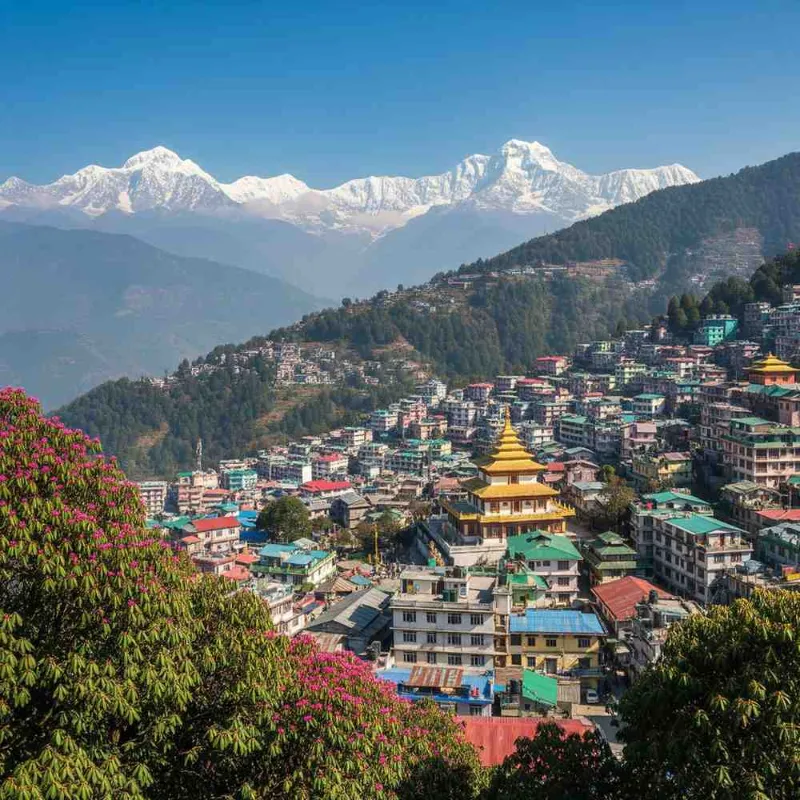
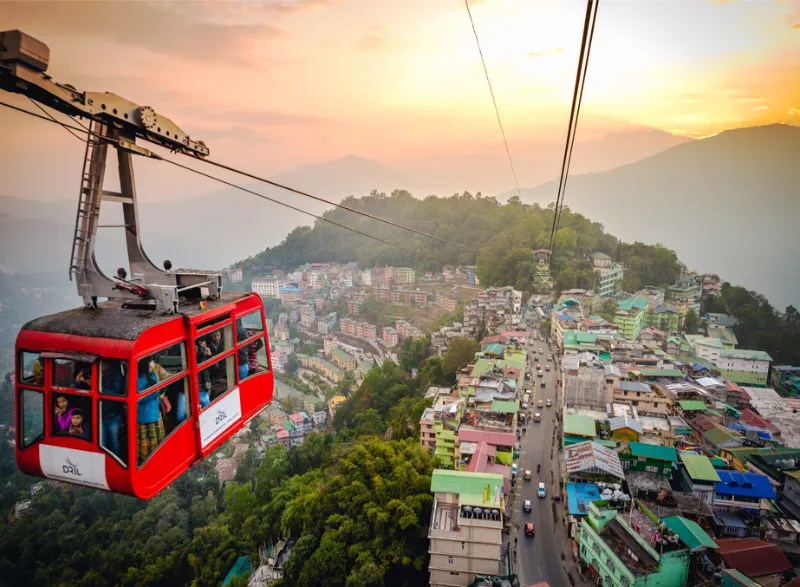
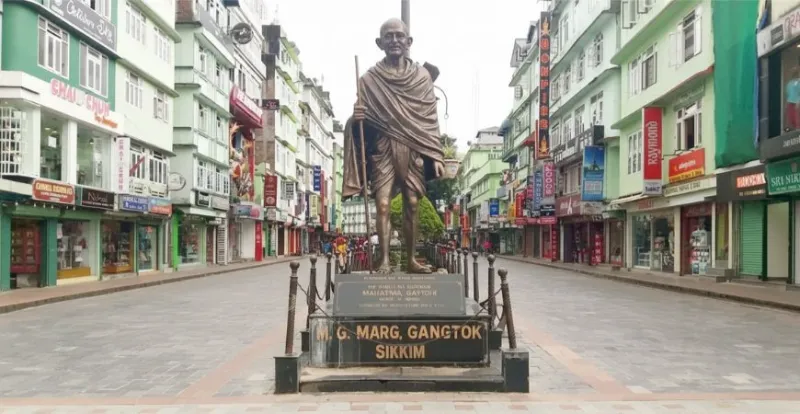
Gangtok, the pulsating administrative and cultural nucleus of Sikkim, is perched precariously along a vertiginous Himalayan ridge, commanding sweeping, unobstructed panoramas of the subjacent chasms and distant peaks. This urban agglomeration seamlessly amalgamates burgeoning contemporary infrastructure with venerated Buddhist institutions, traditional residential enclaves, and a distinctly cosmopolitan hill-town ambiance.

Functioning as the paramount logistical epicenter and gateway to the broader Sikkimese hinterland, Gangtok serves both as a mesmerizing destination in its own right and as an indispensable staging ground for arduous ascents towards Tsomgo Lake, Nathu La, and the ethereal landscapes of North Sikkim. Its elevated vantage confers peerless opportunities for beholding the majestic Himalayan cordillera during optimal meteorological conditions.
State CapitalHimalayan CityBuddhist CultureMountain ViewsShoppingCultural Tourism
Gangtok image 1 Gangtok image 2 Gangtok image 3
Place 02

Tsomgo Lake

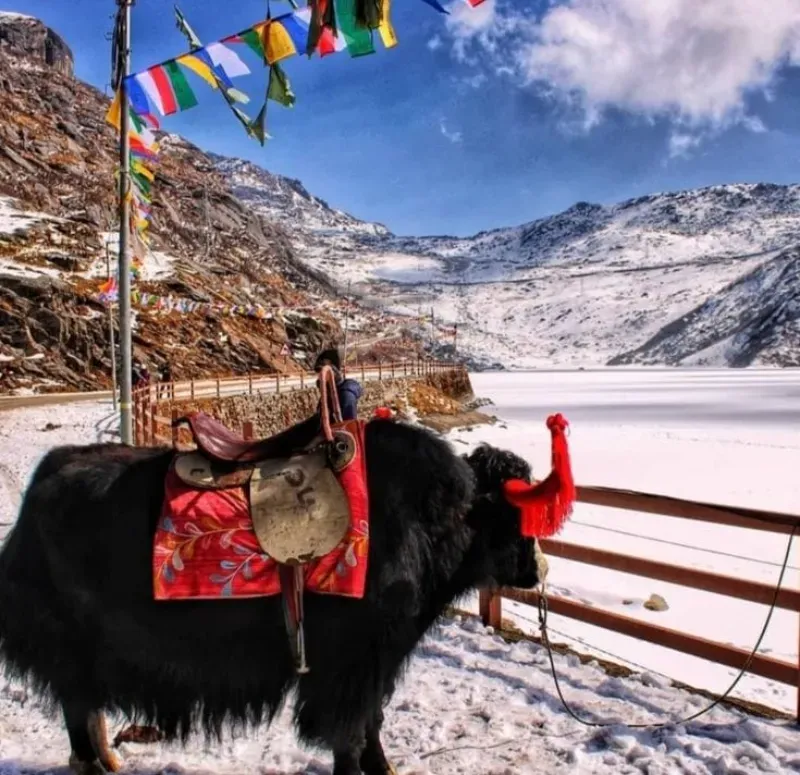
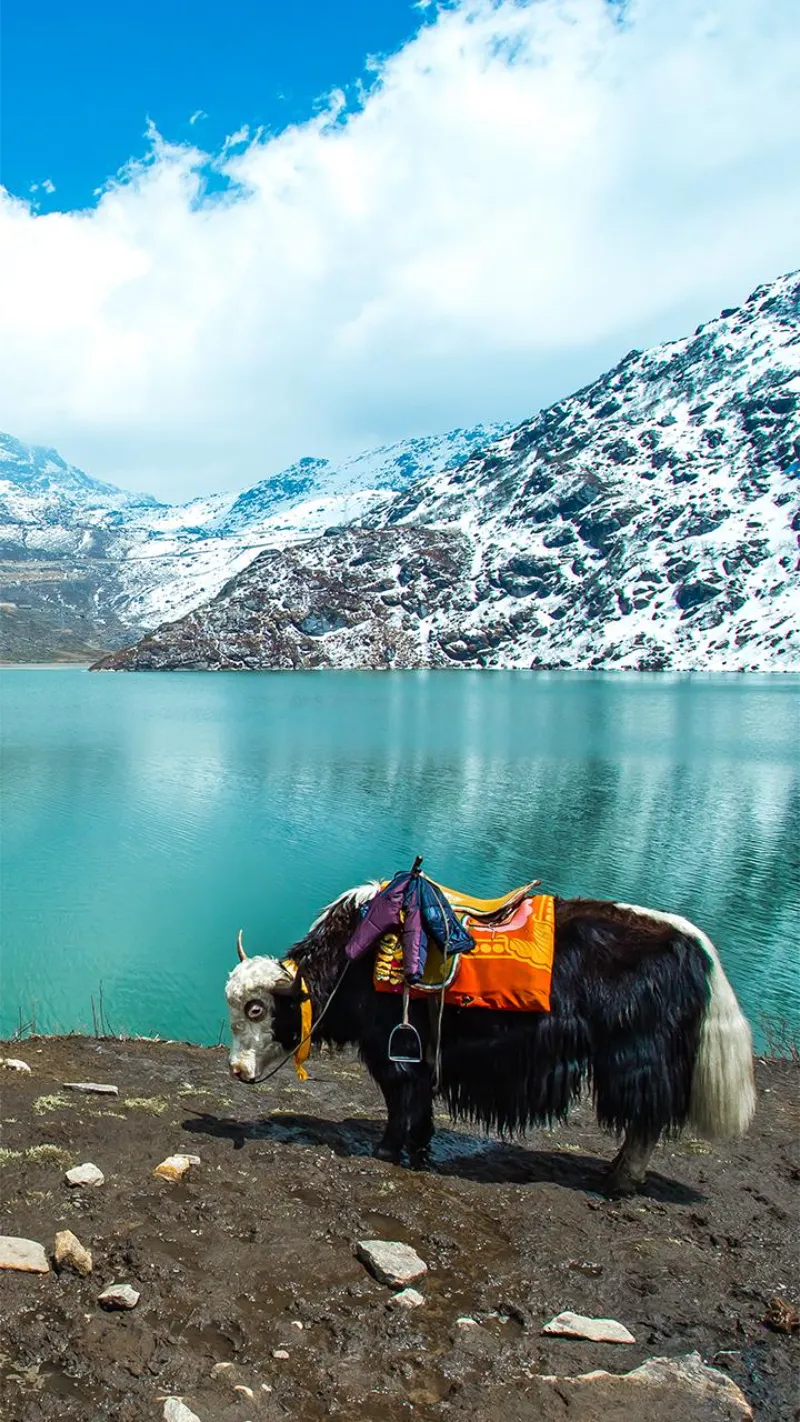
ActivitiesScenic sightseeingPhotographyMountain observationCultural explorationYak ride

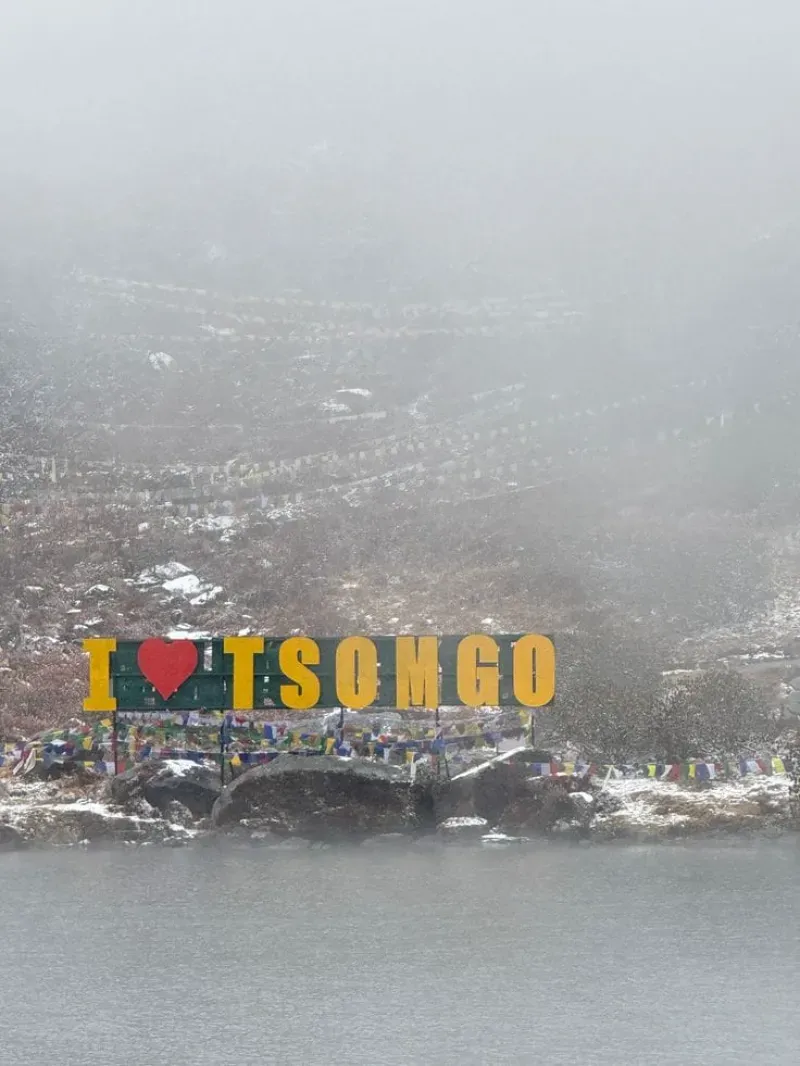
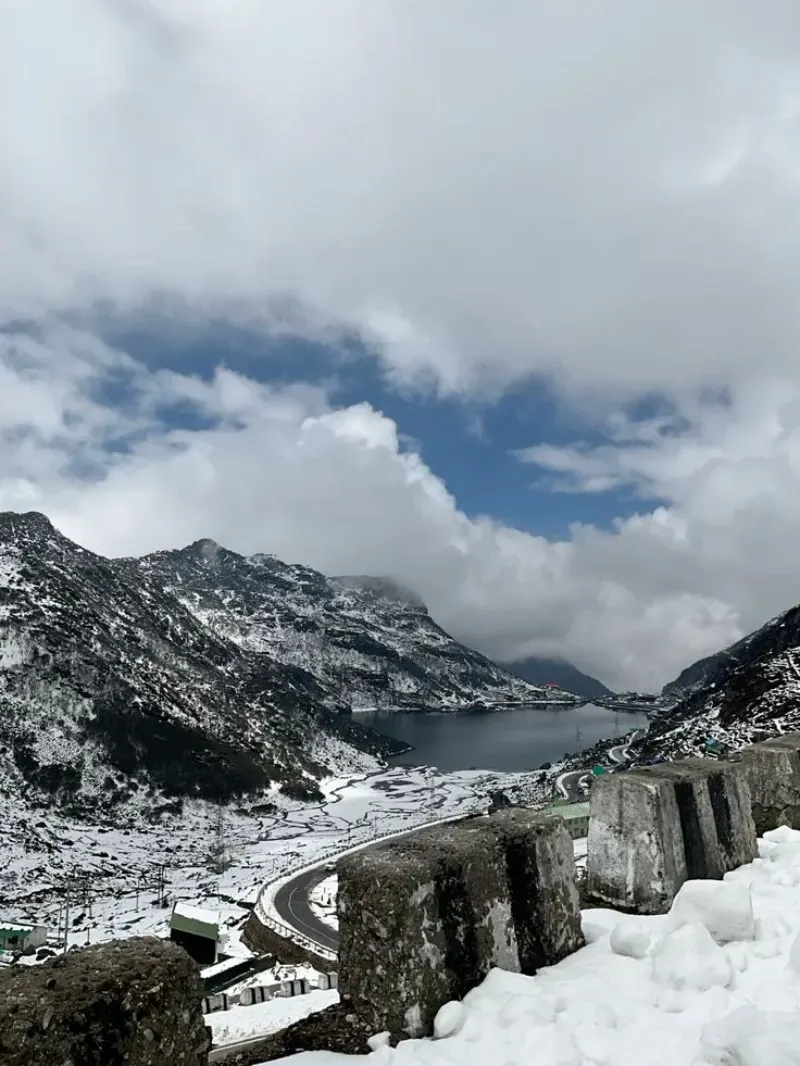
Tsomgo Lake, colloquially revered as Changu Lake, is a mesmerizing glacial tarn situated at a formidable altitude of approximately 3,753 meters in the rugged eastern quadrant of Sikkim. Encircled by precipitous, craggy acclivities, the basin engenders a dramatically austere panorama whose aesthetic disposition metamorphoses profoundly in accordance with seasonal transitions and atmospheric vagaries.

This aquatic expanse bears profound ethnocultural and metaphysical significance for the indigenous inhabitants, who venerate it as a sanctified aqueous body. During the protracted hyperborean winter, the lake’s surface succumbs to complete glaciation, whereas the advent of the vernal equinox precipitates a vibrant resurgence of surrounding alpine flora and crystalline chromaticity.

High Altitude LakeGlacial LakeSacred SiteMountain LandscapePhotographyNature
Tsomgo Lake image 1 Tsomgo Lake image 2 Tsomgo Lake image 3 Tsomgo Lake image 4 Tsomgo Lake image 5
Place 03

Nathula Pass

ActivitiesMountain sightseeingPhotographyHistorical explorationHigh-altitude excursion

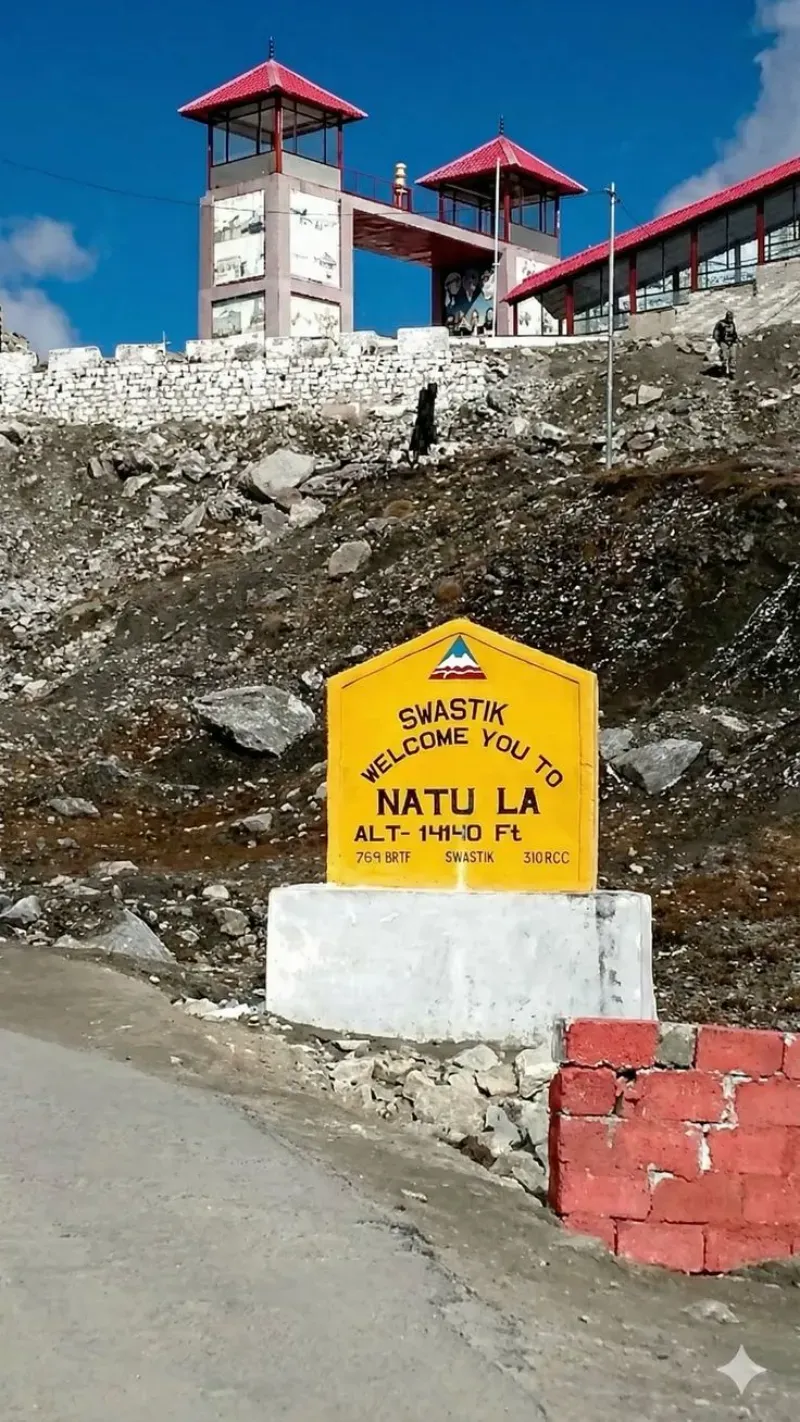
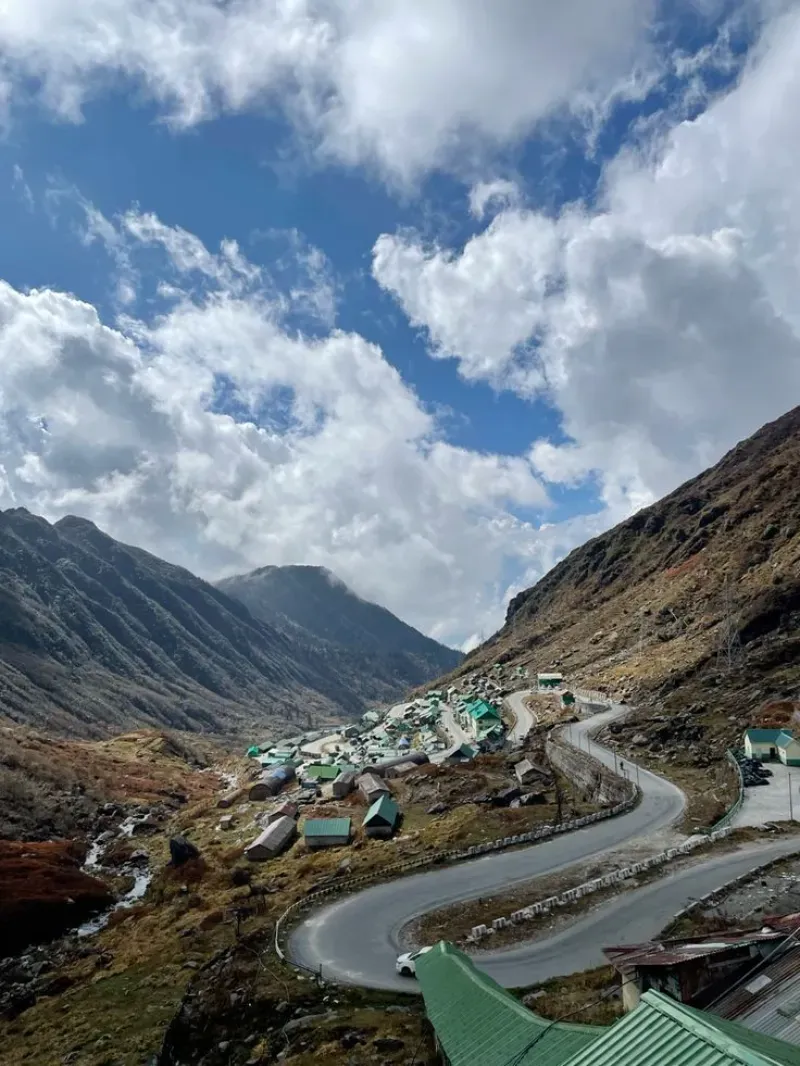
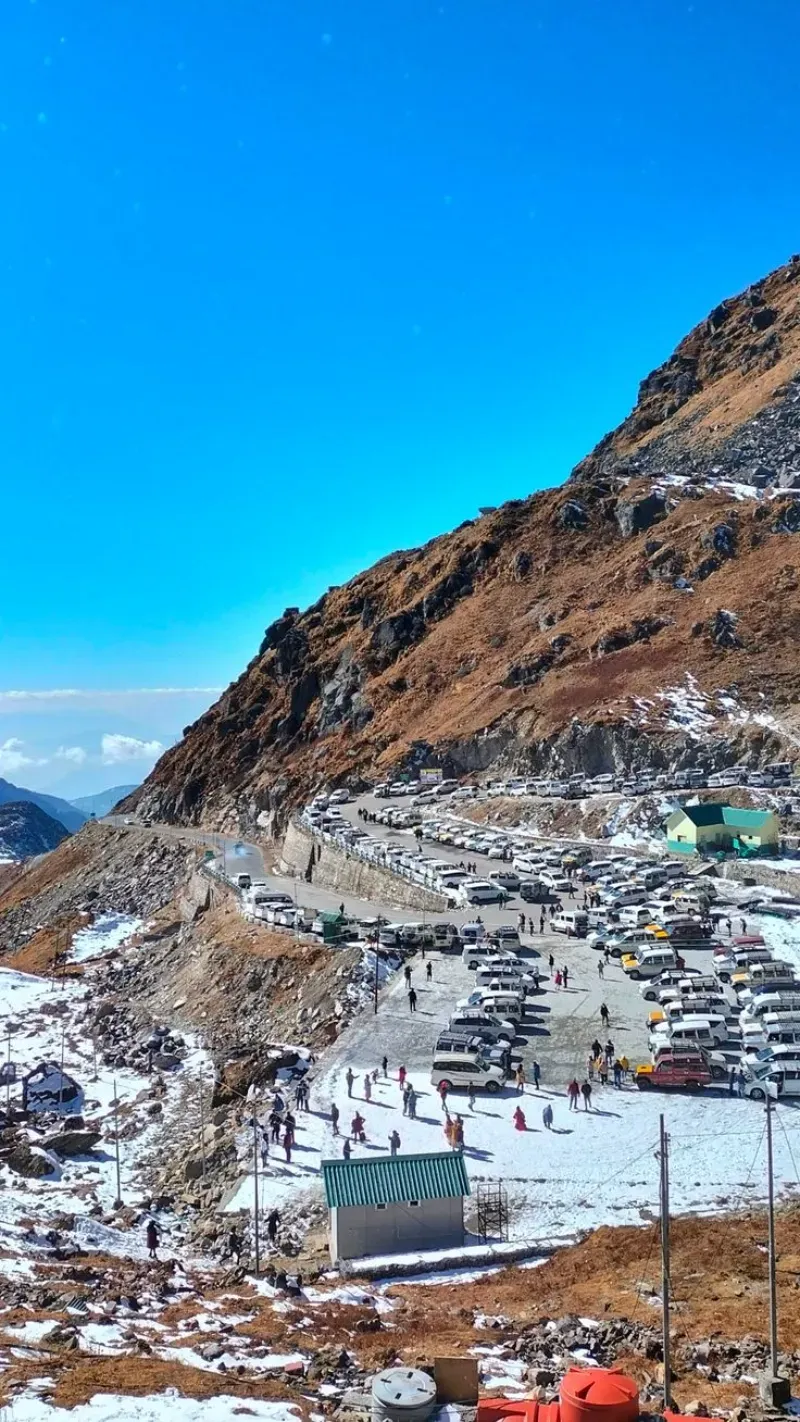
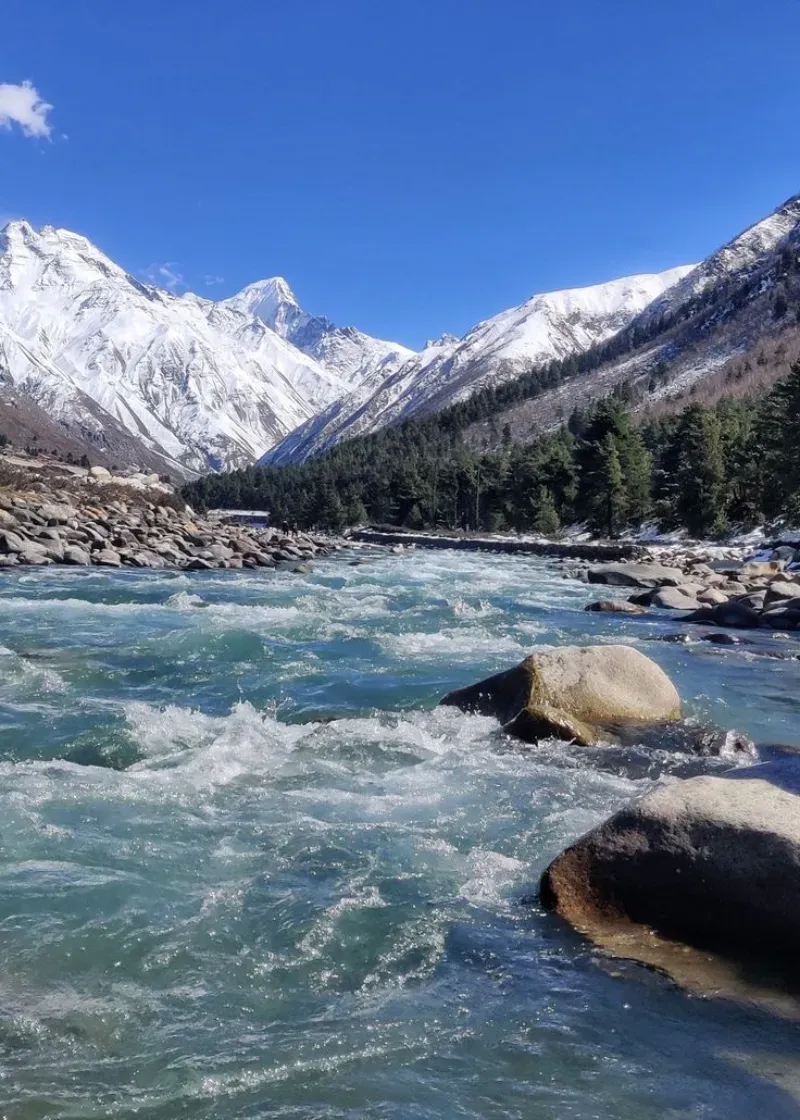
Ascending to a breathtaking altitude of 4,310 meters, the Nathu La Pass stands as a venerable mountainous defile along the antiquated Silk Road, forging a vital trans-Himalayan conduit between Sikkim and the sprawling Tibetan Plateau. This strategic geographical juncture encapsulates both monumental topographical grandeur and profound geopolitical historicity.

The circumambient topography is dominated by sparse, resilient alpine flora, precipitous escarpments, and volatile, rapidly fluctuating meteorological conditions. Transcending its unequivocal scenic magnificence, Nathu La is steeped in commercial legacy, serving as a silent sentinel to centuries of transcontinental mercantile exchange and intercultural dissemination.
Mountain PassHigh AltitudeHistoric Trade RouteHimalayan BorderlandAdventureScenic Landscape
Nathula Pass image 1 Nathula Pass image 2 Nathula Pass image 3
Place 04

Yumthang Valley

ActivitiesNature walksLandscape photographyFlora observationScenic sightseeingMountain exploration

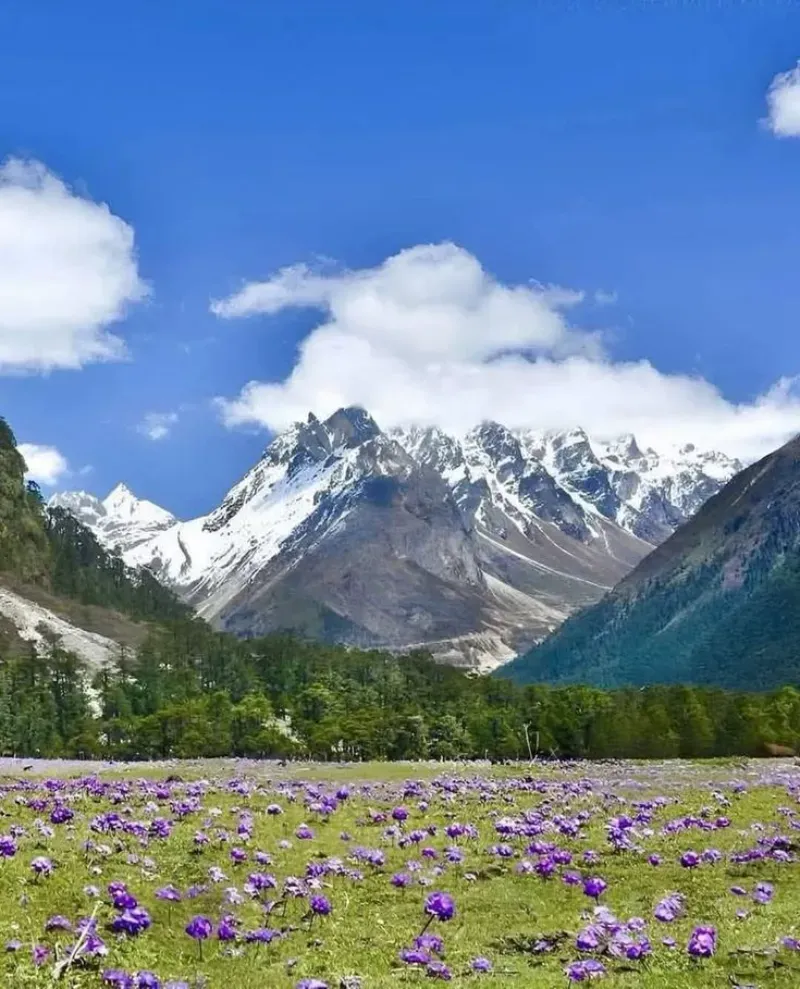
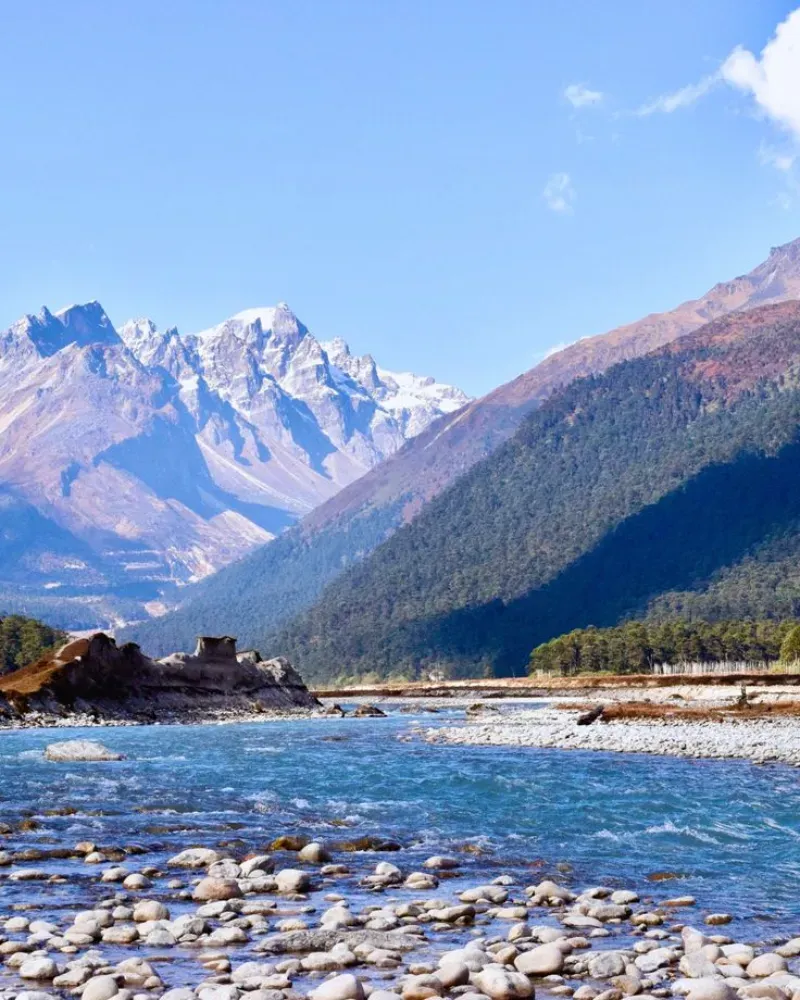
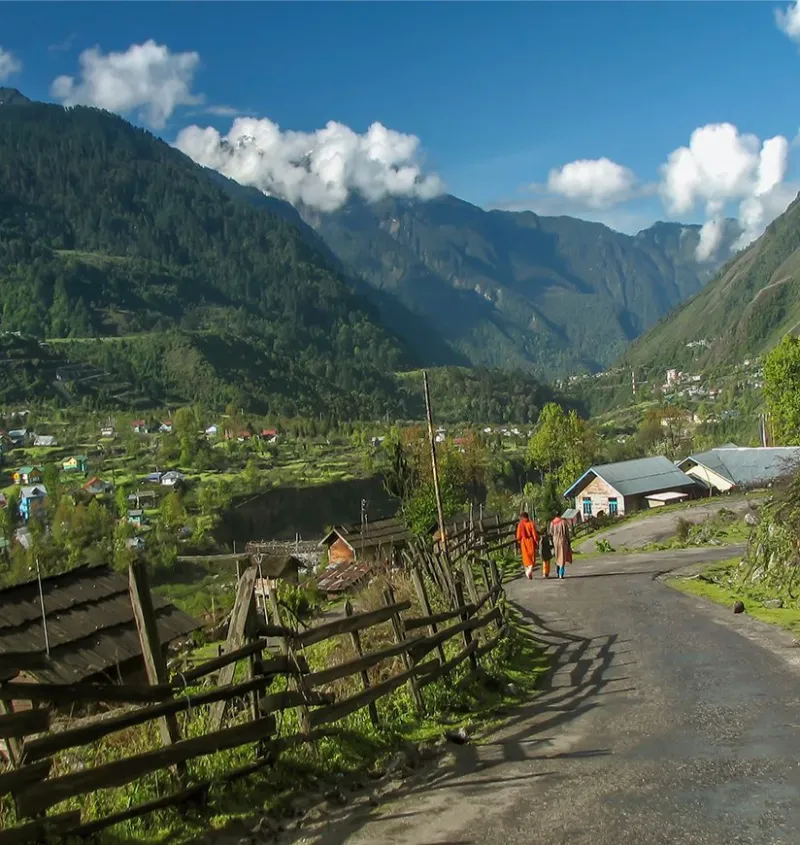
The Yumthang Valley, an idyllic alpine sanctuary tucked within the remote recesses of North Sikkim, is universally extolled for its sweeping undulating meadows, meandering crystalline glacial waterways, and a dramatic amphitheater of snow-capped peaks. Positioned at an elevation of 3,500 meters, this vale is intrinsically synonymous with the spectacular, kaleidoscopic vernal blossoming of endemic rhododendrons and diverse Himalayan botanical specimens.

With the onset of the temperate months, the valley undergoes a spectacular chromatic renaissance, as a luxuriant carpet of alpine vegetation blankets the encompassing declivities. The juxtaposition of sprawling pastoral expanses against the austere, glacial crags of the distant horizon renders Yumthang one of the most visually resplendent and photogenic terrains in the northern subcontinent.

Alpine ValleyRhododendronHigh AltitudeMountain LandscapeNaturePhotography
Yumthang Valley image 1 Yumthang Valley image 2 Yumthang Valley image 3
Place 05

Zero Point

ActivitiesSnow experiencePhotographyMountain sightseeingHigh-altitude exploration

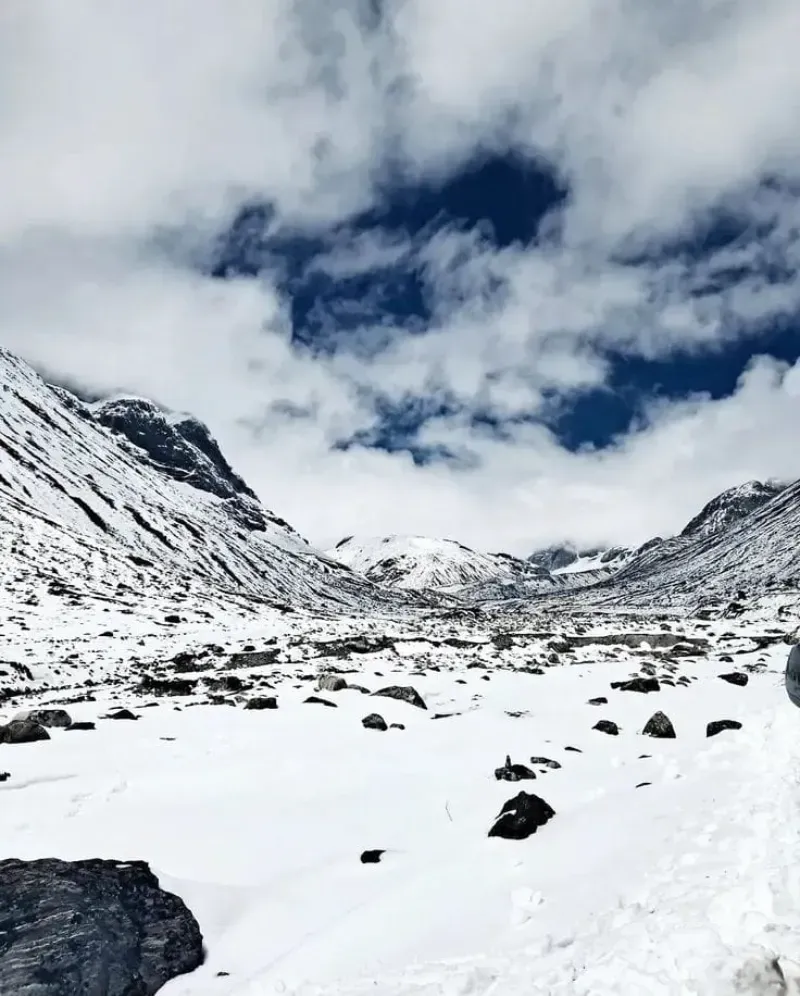
Yumesamdong, predominantly known to intrepid wayfarers as Zero Point, represents the terminal frontier of civilian accessibility in North Sikkim. This stark, high-altitude wilderness is characterized by an unforgiving, rugged topography, expansive snowbound gradients, and an absolute dearth of conventional arboreal vegetation, emblematic of the severe high-alpine ecosystem.

This remote frontier is subjugated by extreme climatological volatility, rendering accessibility highly contingent upon unpredictable snow accumulation and stringent administrative protocols. Its desolate, awe-inspiring desolation offers a visceral juxtaposition to the luxuriant, forested canopies and cultivated terraces prevalent at more temperate altitudinal zones.

High AltitudeSnow LandscapeAlpine TerrainAdventurePhotographyMountain Pass
Zero Point image 1 Zero Point image 2 Zero Point image 3
Place 06

Pelling

ActivitiesMountain viewingMonastery visitsPhotographyNature walksLocal exploration

Pelling, a tranquil highland enclave in the western precincts of Sikkim, is celebrated for its unparalleled, sweeping vistas of the formidable Kanchenjunga massif and the contiguous Himalayan cordillera. Perched at a commanding elevation amidst dense, sylvan slopes, this settlement provides a serene, contemplative alternative to the bustling, cosmopolitan dynamism of Gangtok.

Furthermore, Pelling functions as a quintessential base camp for erudite travelers intent on exploring archaic monasteries, venerable heritage precincts, cascading waterfalls, and the unspoiled rustic charm of western Sikkim. Its harmonious blend of profound cultural antiquities and unobstructed, celestial mountain panoramas renders it an irresistible magnet for those seeking a more measured, immersive Himalayan sojourn.

Kanchenjunga ViewsMountain TownMonasteriesNaturePhotographyCultural Tourism
Pelling image 1 Pelling image 2 Pelling image 3
Place 07

Pemayangtse Monastery

ActivitiesMonastery visitCultural explorationArchitecture appreciationPhotographySpiritual observation

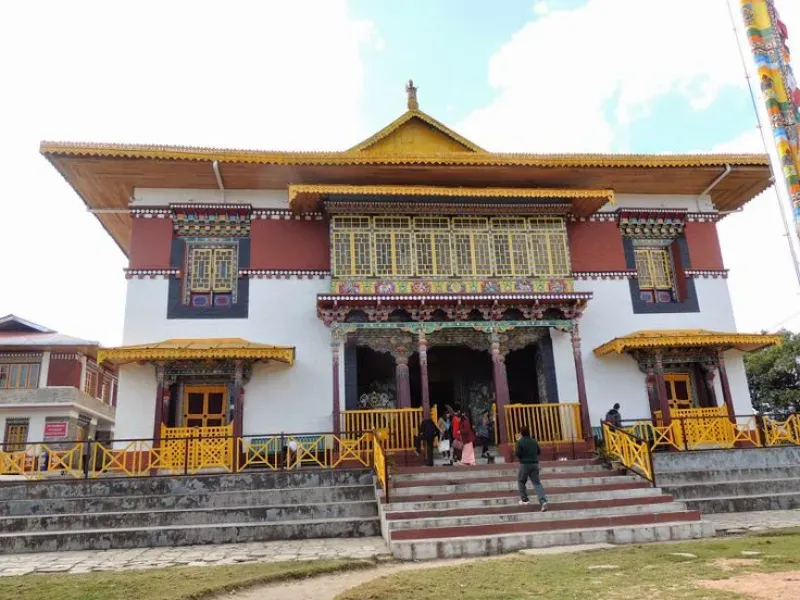
Pemayangtse Monastery stands as an architectural and spiritual paragon, unequivocally ranking among the most archaic and historically pivotal Buddhist sanctuaries in Sikkim. Ensconced in proximity to Pelling, this revered institution is affiliated with the esoteric Nyingma sect of Tibetan Buddhism and occupies a sacrosanct echelon within the ecclesiastical and dynastic annals of the erstwhile Kingdom of Sikkim.

Enveloped by pristine, temperate Himalayan forests, the monastery provides an indispensable lens through which to comprehend Sikkim's profound Buddhist legacy. Its intricate architectural execution, superlative esoteric iconography, and preternaturally tranquil milieu make it an essential pilgrimage for aficionados of Himalayan theology, artistry, and meditative serenity.

Buddhist MonasteryNyingma TraditionCultural HeritageSpiritual TourismHimalayan HistoryArchitecture
Pemayangtse Monastery image 1 Pemayangtse Monastery image 2
Place 08

Rumtek Monastery

ActivitiesMonastery visitCultural explorationPhotographyArchitecture appreciationSpiritual observation

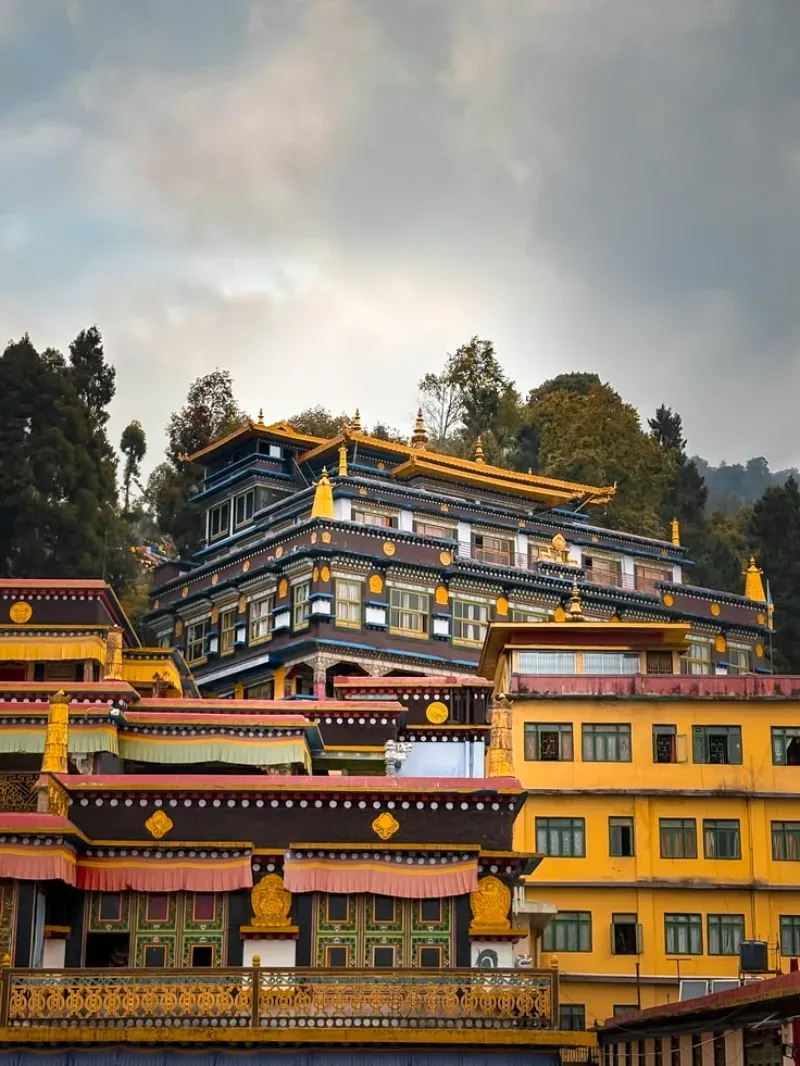
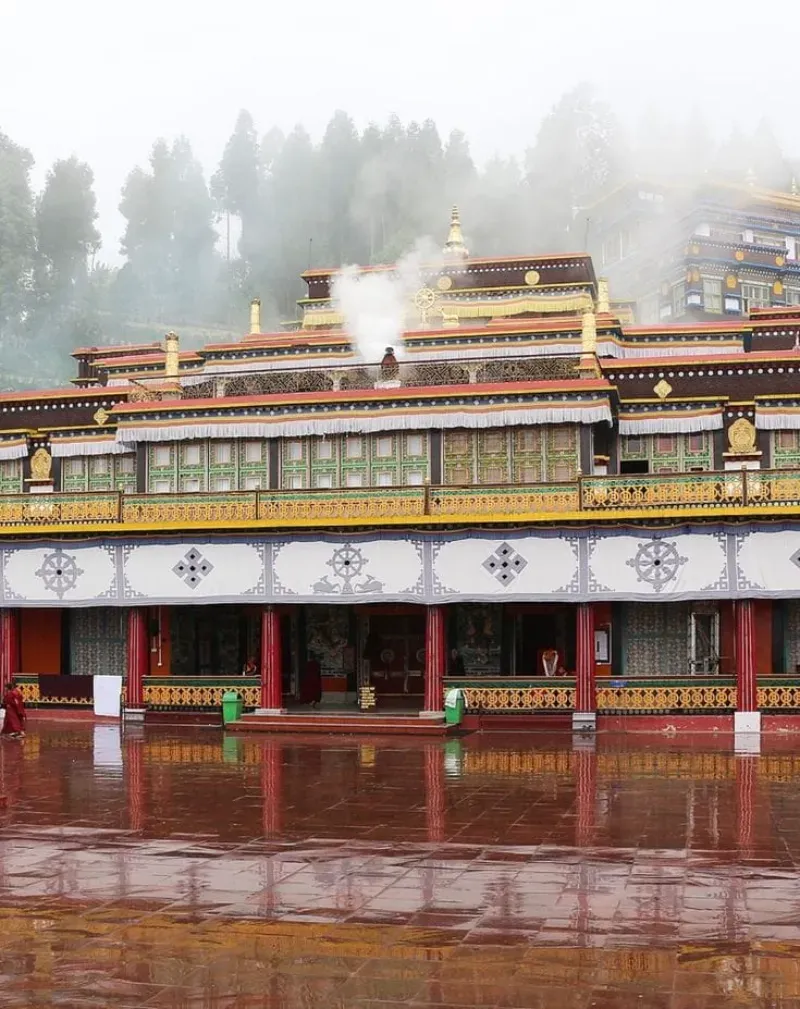
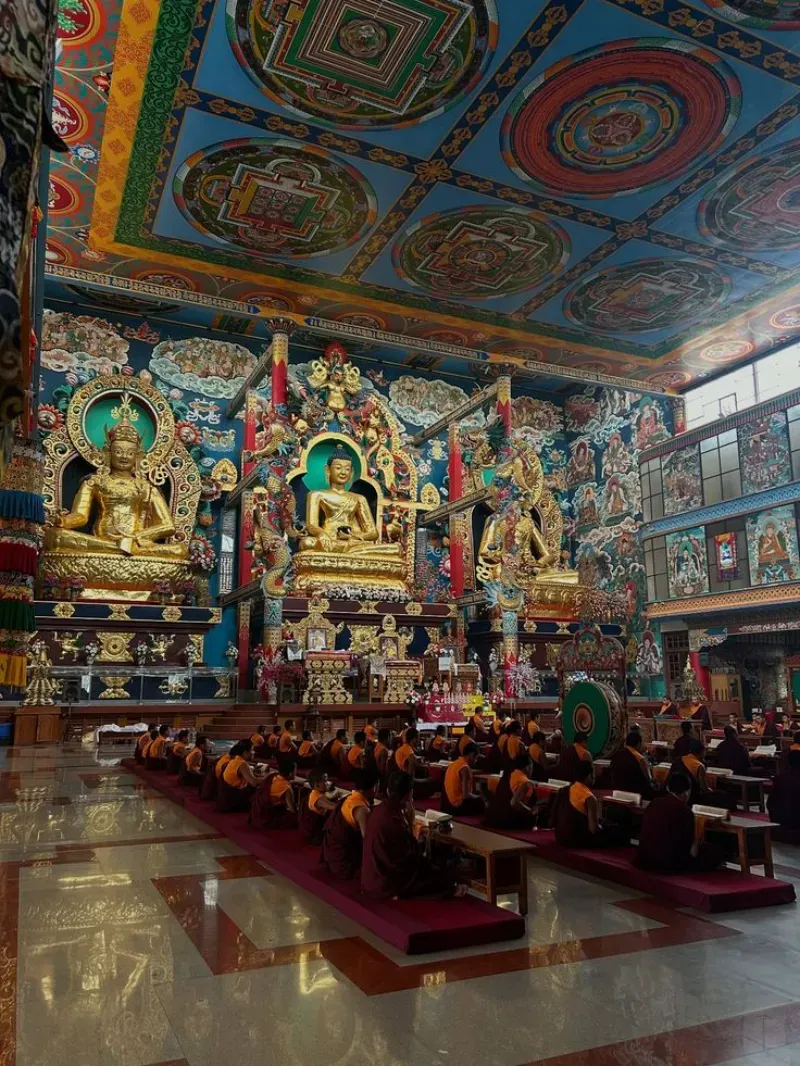
Rumtek Monastery constitutes a paramount bastion of Tibetan Buddhist scholarship and praxis within Sikkim, serving as a critical epicenter for the esteemed Karma Kagyu lineage. Perched upon a densely forested prominence overlooking the Gangtok metropolis, this sprawling monastic complex is globally renowned for its magnificent, ornate Tibetan architecture, exquisite thangka murals, and profound liturgical resonance.

The sprawling sanctum avails visitors of a rare opportunity to immerse themselves in the ceremonial gravity, architectural splendor, and aesthetic sophistication of Himalayan Buddhism. Moreover, its strategically elevated placement affords visitors breathtaking, panoramic vistas that sweep across the undulating, mountainous topography of the region.

Tibetan BuddhismKarma KagyuMonasteryArchitectureSpiritual TourismCultural Heritage
Rumtek Monastery image 1 Rumtek Monastery image 2 Rumtek Monastery image 3
Place 09

Khecheopalri Lake

ActivitiesNature walkLake sightseeingPhotographyCultural explorationSpiritual observation

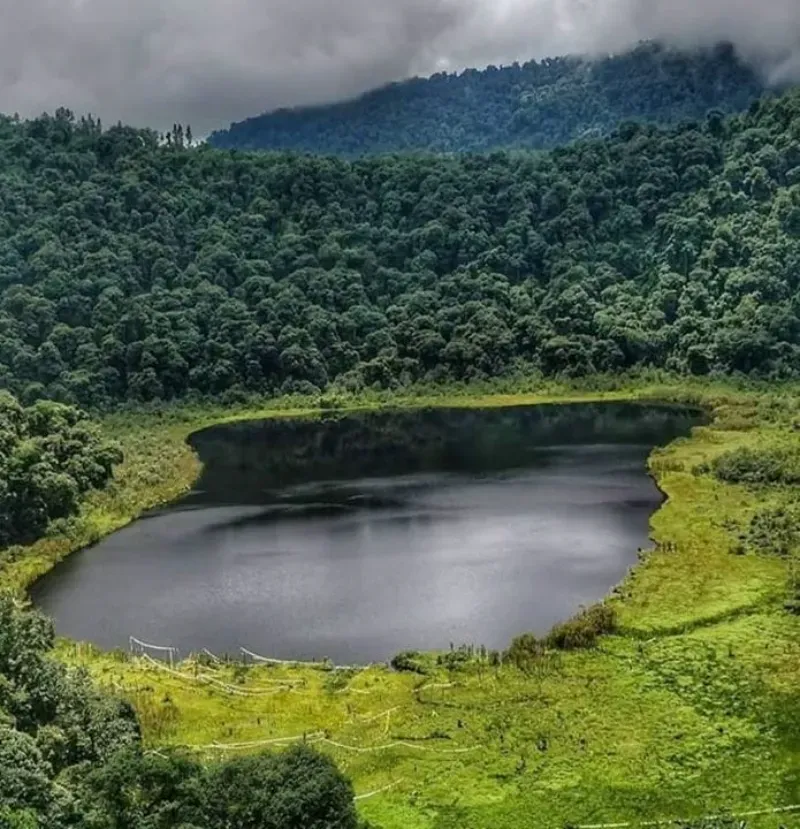
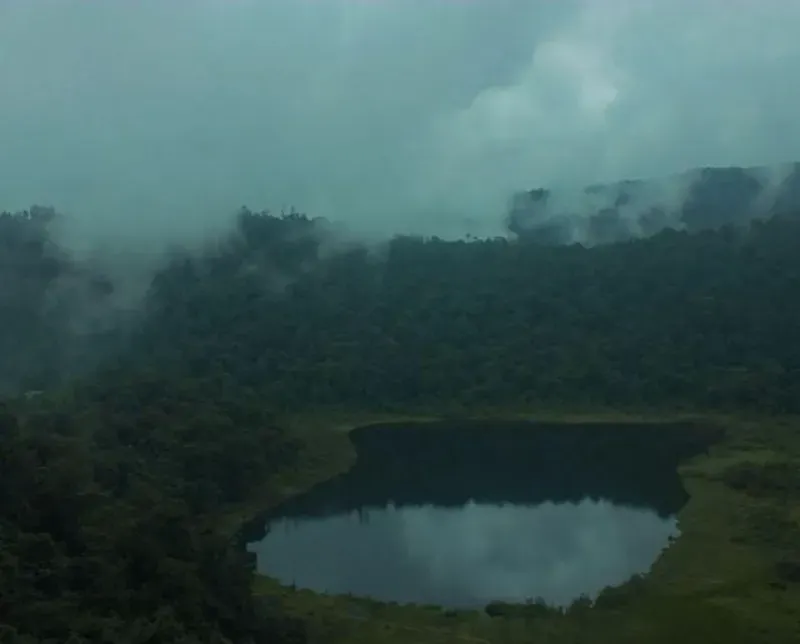
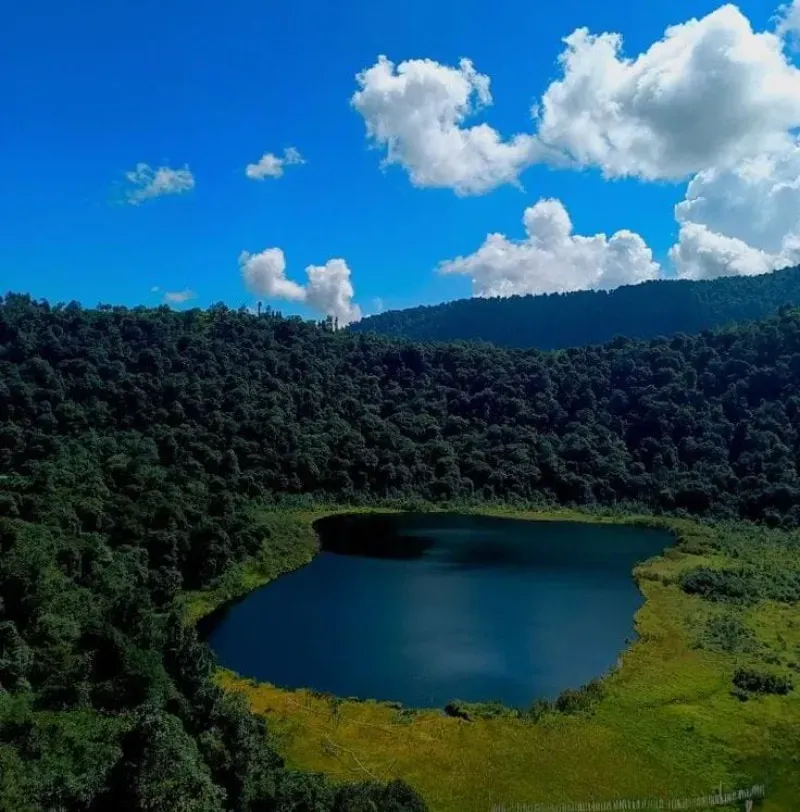
Khecheopalri Lake is a profoundly venerated, high-altitude aqueous sanctuary secluded deep within the verdant, primeval forests of western Sikkim. Accorded supreme sanctity by both the Buddhist and Hindu ecclesiastical communities, this pristine tarn functions as a crucial cornerstone of the region's spiritual topography and mythos.

The overarching, dense canopy of the ancient forest imparts a cloistered, ethereal ambiance, significantly contributing to the lake’s pristine ecological equilibrium. Indigenous lore attributes immense wish-fulfilling potency to these waters, transforming the site into an unmissable destination for wayfarers intrigued by the sublime intersection of untamed Himalayan ecology and esoteric devotion.

Sacred LakeBuddhist HeritageHindu HeritageForest LandscapeNatureSpiritual Tourism
Khecheopalri Lake image 1 Khecheopalri Lake image 2 Khecheopalri Lake image 3
Place 10

Zuluk

ActivitiesScenic driveVillage explorationPhotographyMountain sightseeingCultural observation

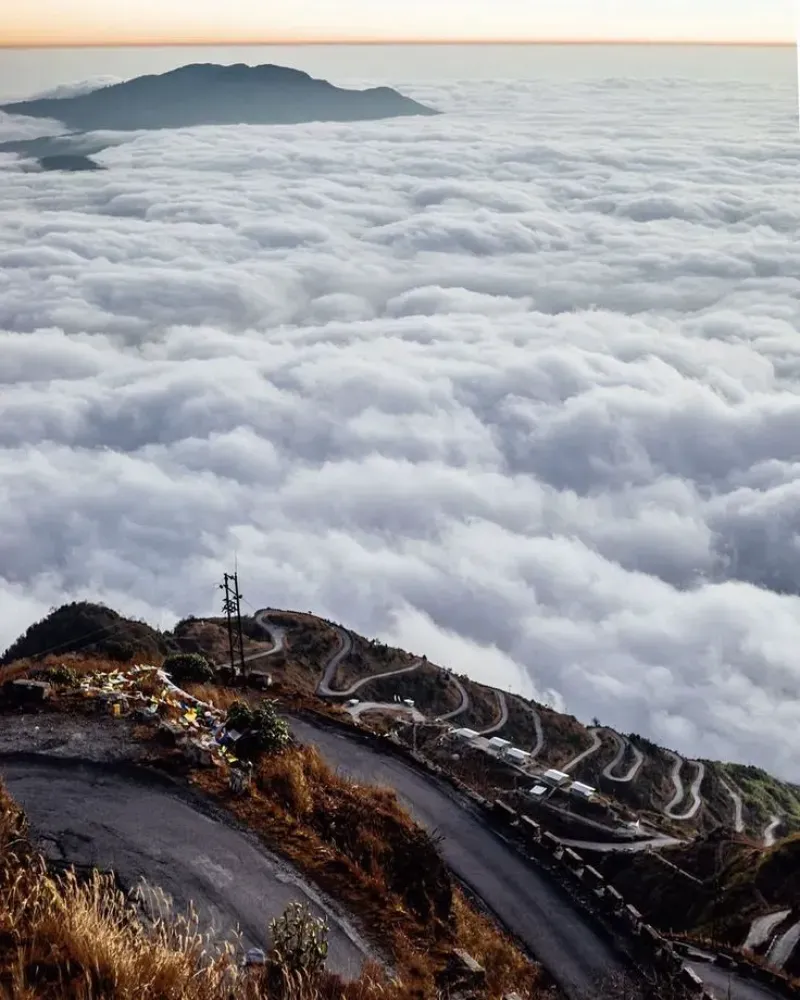
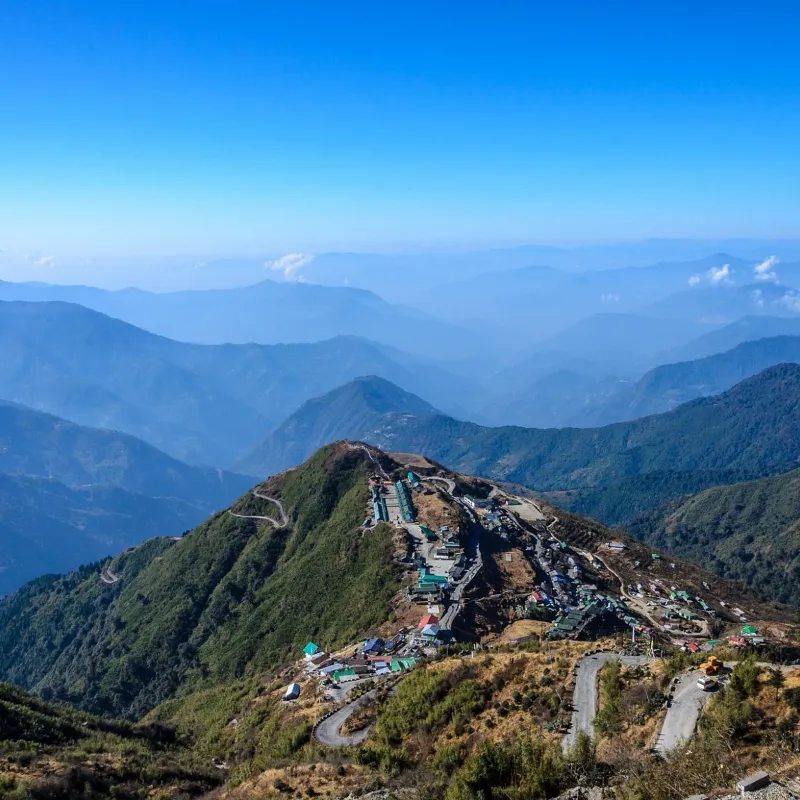
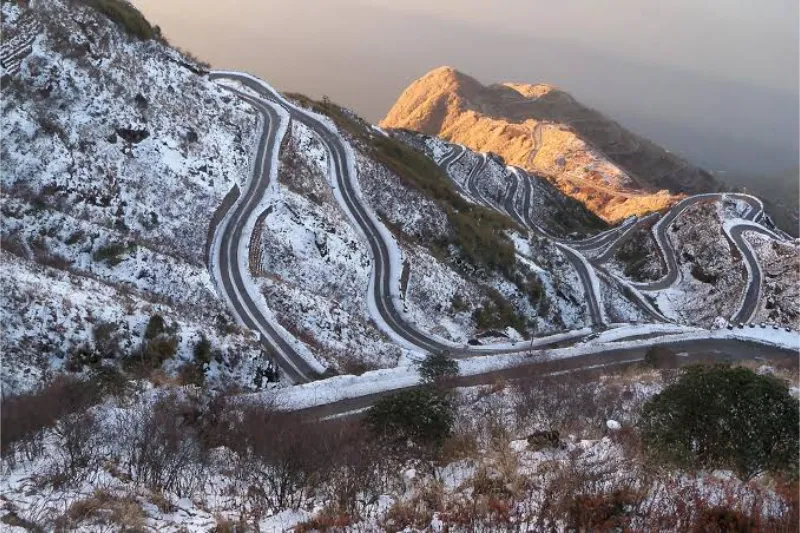
Zuluk, an enchanting, diminutive hamlet perched precipitously along the legendary Silk Route in eastern Sikkim, encapsulates the raw, unadulterated essence of the Himalayas. Situated at an elevation approaching 2,900 meters, this remote settlement is intrinsically renowned for its labyrinthine, serpentine mountain passes and staggering, vertiginous vistas that peer deep into the eastern Himalayan abyss.

The enclave meticulously preserves a bucolic, pre-industrial character, offering discerning travelers an authentic immersion into the less commercialized, rustic facets of Sikkimese life. Its pivotal geographical placement along the archaic transcontinental trade corridor endows the region with a palpable, resonant historical gravitas.

Silk RouteMountain VillageHimalayan LandscapeRural TourismPhotographyAdventure
Zuluk image 1 Zuluk image 2 Zuluk image 3
Place 11

Gurudongmar Lake

ActivitiesLake sightseeingPhotographyHigh-altitude explorationMountain observationSpiritual observation

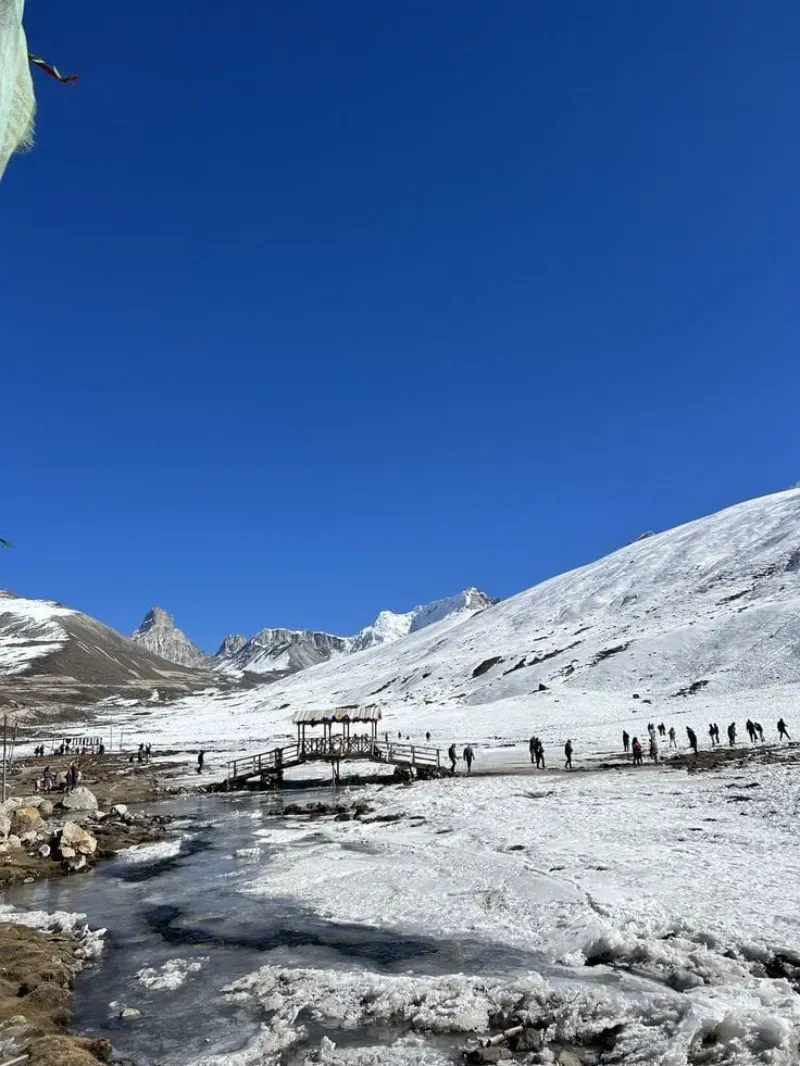
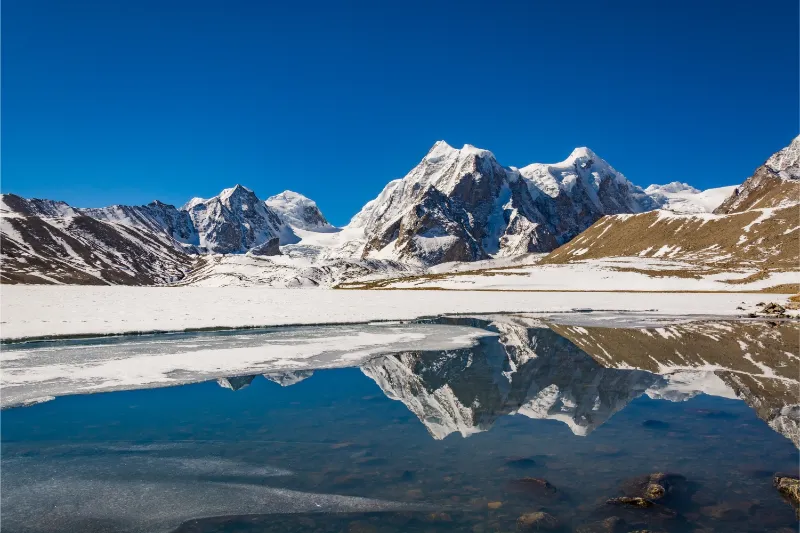
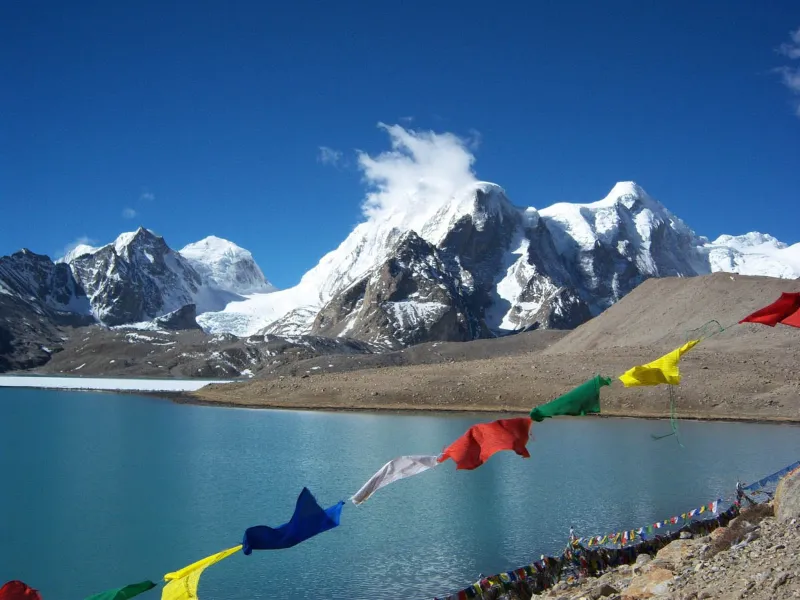
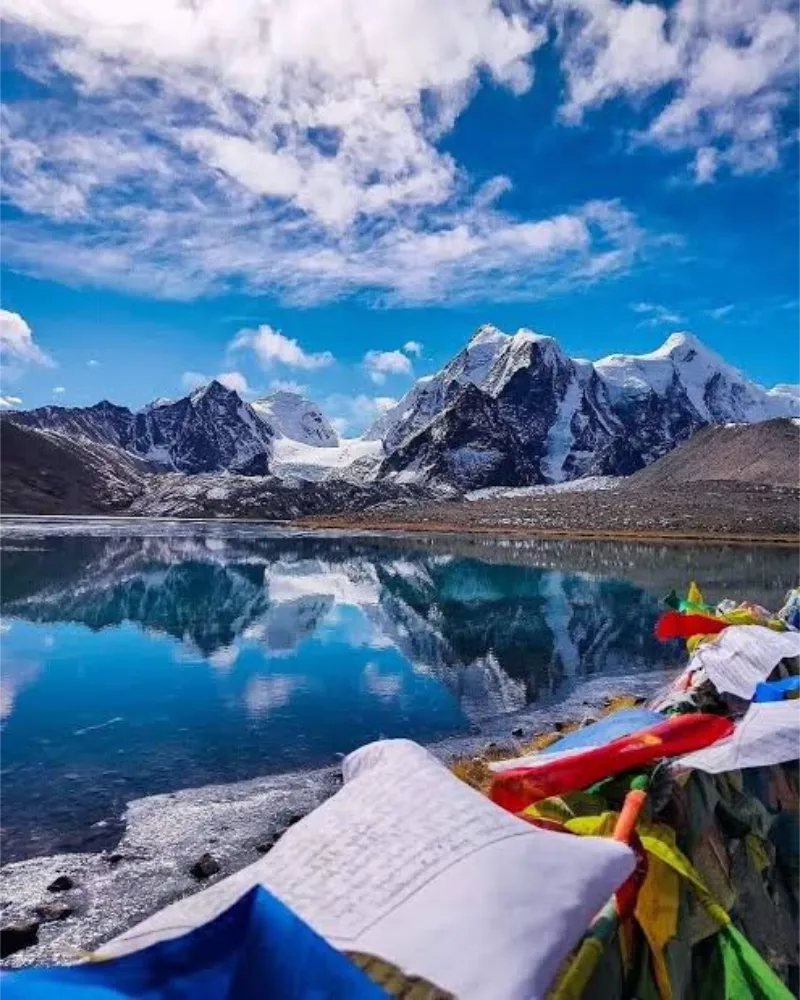
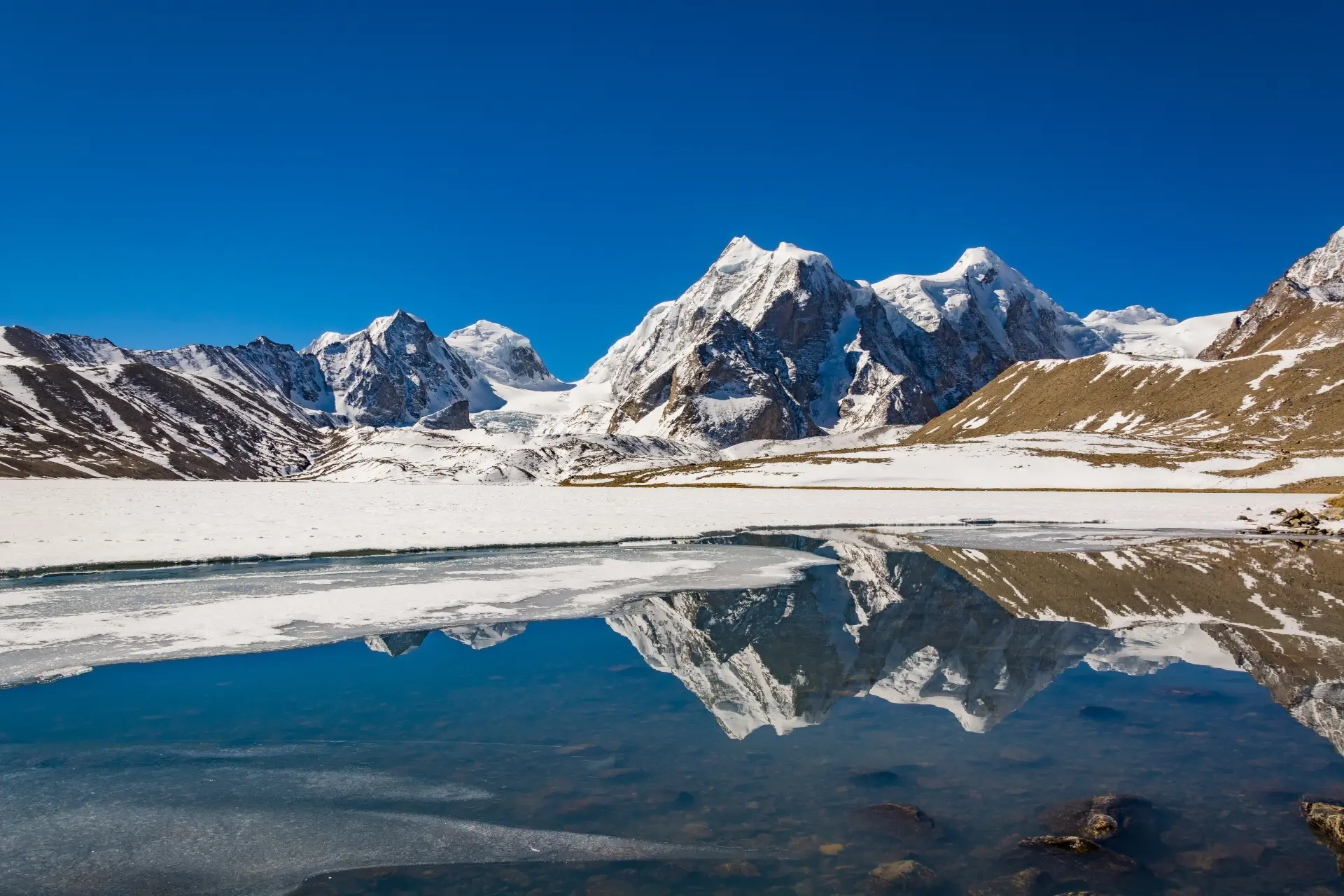
Gurudongmar Lake, reigning as one of the most elevated aquatic bodies on the Indian subcontinent at an astounding altitude of 5,180 meters, lies nestled in the remote, hyperborean extremities of North Sikkim. Hemmed in by an austere, unforgiving panorama of barren ridges and immense glacial moraines, the lake constitutes an exceptionally dramatic, almost unearthly Himalayan tableau.

Sanctified in the spiritual doctrines of both Buddhism and Hinduism, the lake is an irreplaceable fixture within the cultural and religious fabric of the northern frontier. The punishing altitude, volatile microclimate, and arduous accessibility elevate the pilgrimage to this lake from a mere excursion to a profoundly transformative, formidable expedition.

High Altitude LakeSacred LakeGlacial LandscapeHimalayan WildernessPhotographyAdventure
Gurudongmar Lake image 1 Gurudongmar Lake image 2 Gurudongmar Lake image 3
Place 12

Khangchendzonga National Park

ActivitiesTrekkingWildlife observationLandscape photographyNature explorationMountain expedition

Khangchendzonga National Park encompasses a colossal, protected biosphere that transitions seamlessly from lush temperate canopies to severe, high-altitude ecosystems characterized by mammoth glaciers, alpine tundras, and unforgiving crags. The sanctuary derives its nomenclature from Mount Kanchenjunga, the world's third-highest zenith and an entity of immeasurable cultural and spiritual veneration in Sikkim.

Enshrined as a prestigious UNESCO World Heritage Site, this immense reserve harbors staggering ecological heterogeneity, nurturing a plethora of rare, endemic fauna perfectly acclimatized to the harsh Himalayan extremes. Its awe-inspiring topography intertwines raw, majestic natural beauty with profound mythos, manifesting as a globally unparalleled paradigm of integrated biocultural preservation.

UNESCO World HeritageNational ParkKanchenjungaWildlifeGlaciersAlpine EcosystemBiodiversity

Plan with confidence

Travel details

Practical information for planning your time in Sikkim.

When to go

Primary
March to May
Secondary
October to November
Description

The most propitious intervals for traversing the Sikkimese topography generally coincide with the vernal awakening in spring and the crystalline post-monsoonal days of autumn. The period spanning March to May is characterized by temperate climatology, a profusion of blossoming alpine flora, and exceptionally hospitable conditions for exploring lower and mid-elevation precincts.

Conversely, October and November are highly prized for their unparalleled atmospheric lucidity, offering unobstructed, sweeping vistas of the Himalayan giants, albeit with a precipitous plunge in temperatures at higher altitudes. The austere winter months transform the landscape into a pristine, snow-laden wonderland, though this beauty is often counterbalanced by severe road blockades and restricted access to high-altitude sectors.

The monsoonal epoch, prevailing from June through September, unleashes torrential deluges, pervasive cloud cover, and a substantially elevated risk of catastrophic landslides, rendering vehicular transit precarious. Consequently, voyagers orchestrating extensive mountainous expeditions must judiciously calibrate their itineraries against these profound seasonal vicissitudes.

Know before you go

Elevation
Value
Approximately 280 meters to over 8,500 meters
Unit
meters above sea level
Description

Sikkim boasts an extraordinarily vast altitudinal spectrum, ascending precipitously from subtropical riverine basins to the rarefied, glacial zenith of the Kanchenjunga massif. This drastic topographic oscillation engenders profound macro-level discrepancies in climatology, biodiversity, and logistical accessibility across the state's expanse.

Climate
Average Range
Approximately -5°C to 24°C
Summer
Approximately 12°C to 24°C
Winter
Approximately -5°C to 15°C
Description

Thermal conditions fluctuate dramatically in direct correlation with altitudinal ascent. Mid-elevation sanctuaries such as Gangtok relish moderate, temperate summers and brisk winters, whereas the extreme northern and eastern frontiers are routinely subjected to punishing sub-zero temperatures and intractable snowpack during the hyperborean months.

How to reach

By Air
Name

By Air

Pakyong Airport, functioning as the primary aviation hub within Sikkim's borders, facilitates circumscribed aerial connectivity to select domestic metropolises; however, operations remain heavily contingent upon the caprices of Himalayan meteorology. Bagdogra Airport in adjacent West Bengal unequivocally remains the paramount and most reliable aviation conduit for travelers originating from major urban centers.

From Bagdogra, voyagers must undertake an arduous yet visually spectacular overland transit toward Gangtok and auxiliary locales, a journey defined by a relentless, meandering ascent from the lowland plains into the formidable Himalayan foothills.

By Rail
Name

By Rail

New Jalpaiguri Railway Station in West Bengal stands as the preeminent railway terminus for Sikkim-bound travelers. It commands an extensive network of rail linkages traversing major Indian cities, functioning as the vital terrestrial disembarkation point before transitioning to mountainous road transport.

Upon arrival at New Jalpaiguri, an array of vehicular conveyances—ranging from private charters to shared transit—seamlessly funnel travelers upward into Gangtok and the broader Sikkimese topography.

By Road
Name

By Road

Overland vehicular transit serves as the indisputable lifeblood of inter-destination mobility within Sikkim. Gangtok is intricately tethered to Siliguri, New Jalpaiguri, and adjacent Himalayan settlements via a labyrinthine network of meticulously carved, precipitous mountain roadways.

An assortment of shared taxis, privately chartered automobiles, and curated expeditionary vehicles dominate the transit landscape. However, journey durations are notoriously elastic, heavily dictated by the vagaries of rugged terrain, volatile weather systems, vehicular congestion, and seasonal infrastructural maintenance.

Seasonal guide

Name

Spring

Months
March to May
Temperature
Approximately 8°C to 20°C
Description

Springtime ushers in a remarkably hospitable climate across Sikkim's lower and mid-tier elevations, heralded by the spectacular blossoming of endemic vegetation and a progressive, crystalline unveiling of the surrounding mountainous theater.

Name

Monsoon

Months
June to September
Temperature
Approximately 12°C to 24°C
Description

The monsoonal phase is dominated by relentless, torrential downpours and impenetrable mist, significantly amplifying the peril of landslides along the sinuous mountain thoroughfares, whilst simultaneously plunging high-altitude visibility into near-opacity.

Name

Autumn

Months
October to November
Temperature
Approximately 5°C to 18°C
Description

Autumn is universally extolled as the quintessential epoch for Himalayan exploration, boasting highly stabilized meteorological conditions and peerless, panoramic lucidity across the sprawling, elevated terrain.

Name

Winter

Months
December to February
Temperature
Approximately -5°C to 15°C
Description

Winter plunges the region into frigid austerity, particularly within the northern and eastern frontiers, where formidable snowfalls frequently sever access to extreme altitudes. While lower-elevation municipalities remain navigable, they are nonetheless subjected to sharply biting, sub-zero mornings and dusks.

Travel this way

Packages for Sikkim

Start with a route shaped around the character of Sikkim.

View all Sikkim packages
Sikkim Adventure Circuit
6N / 7D Sikkim

Sikkim Adventure Circuit

Trekking trails, monastery roads, and mountain days across Sikkim.

Explore this package
Complete Sikkim Circuit
7N / 8D Sikkim

Complete Sikkim Circuit

A considered route through Gangtok, Pelling, and the high North.

Explore this package