PicoVoyage

Charting your North East escape

Darjeeling image 1 Darjeeling image 2 Darjeeling image 3 Darjeeling image 4 Darjeeling image 5

Darjeeling

Perched majestically within the precipitous inclines of the Lesser Himalaya in West Bengal, Darjeeling—often venerated as the 'Queen of the Hills'—is a sublime synthesis of emerald undulating tea plantations, colonial...

Explore Darjeeling8 places to visit

The destination

About Darjeeling

A considered guide to the landscapes, culture, and places that make Darjeeling worth discovering.

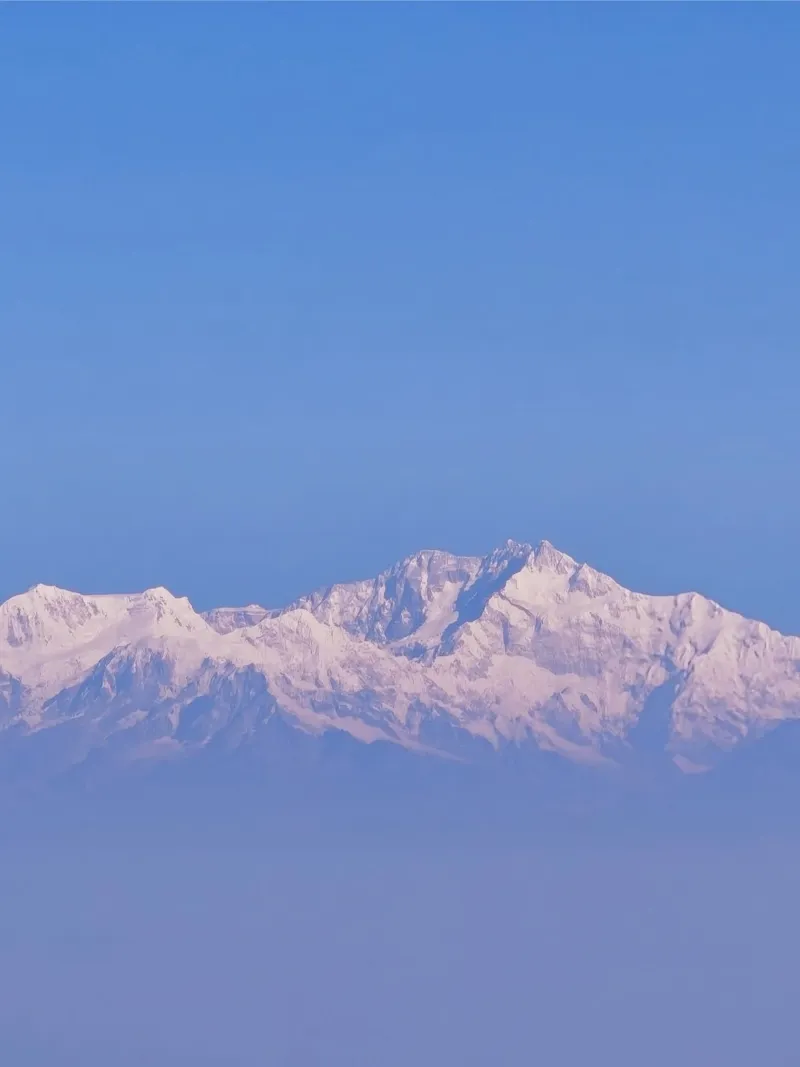
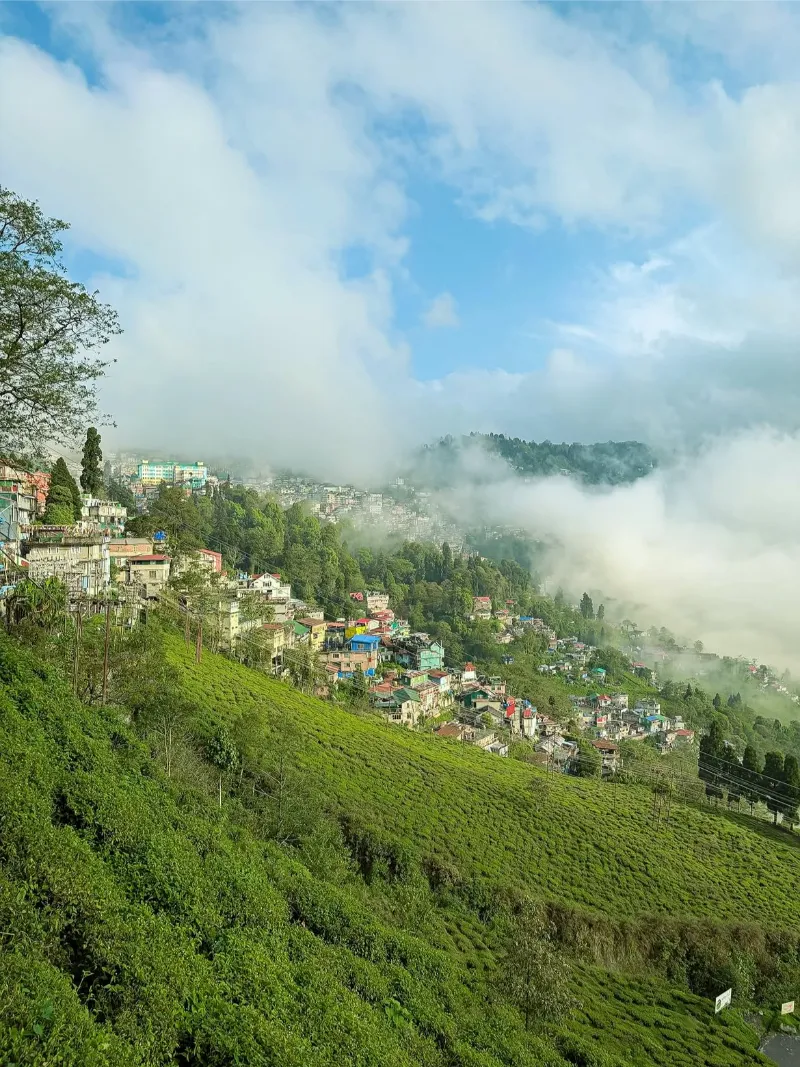
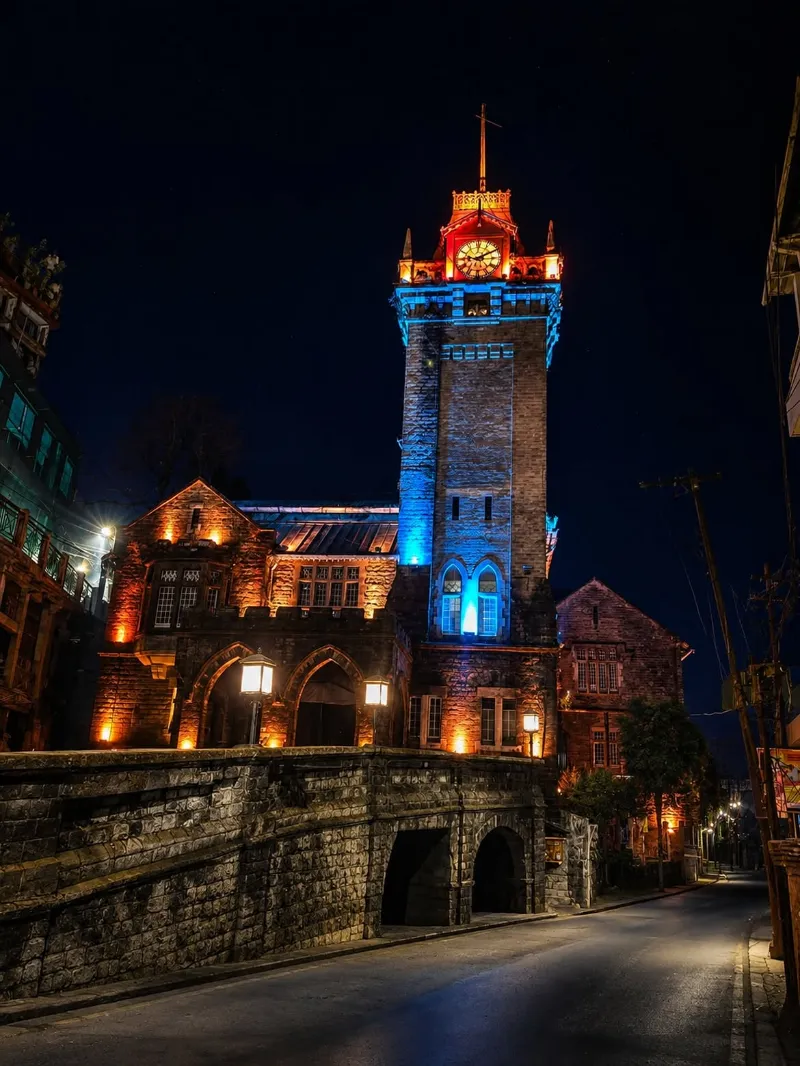
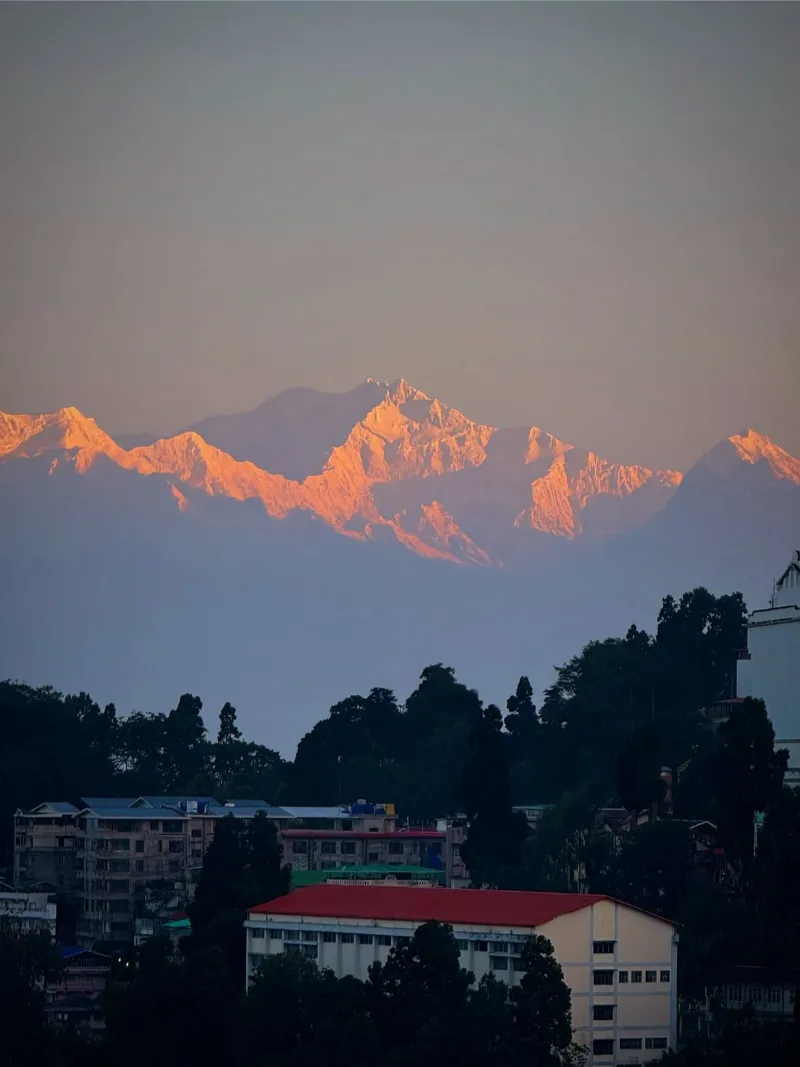
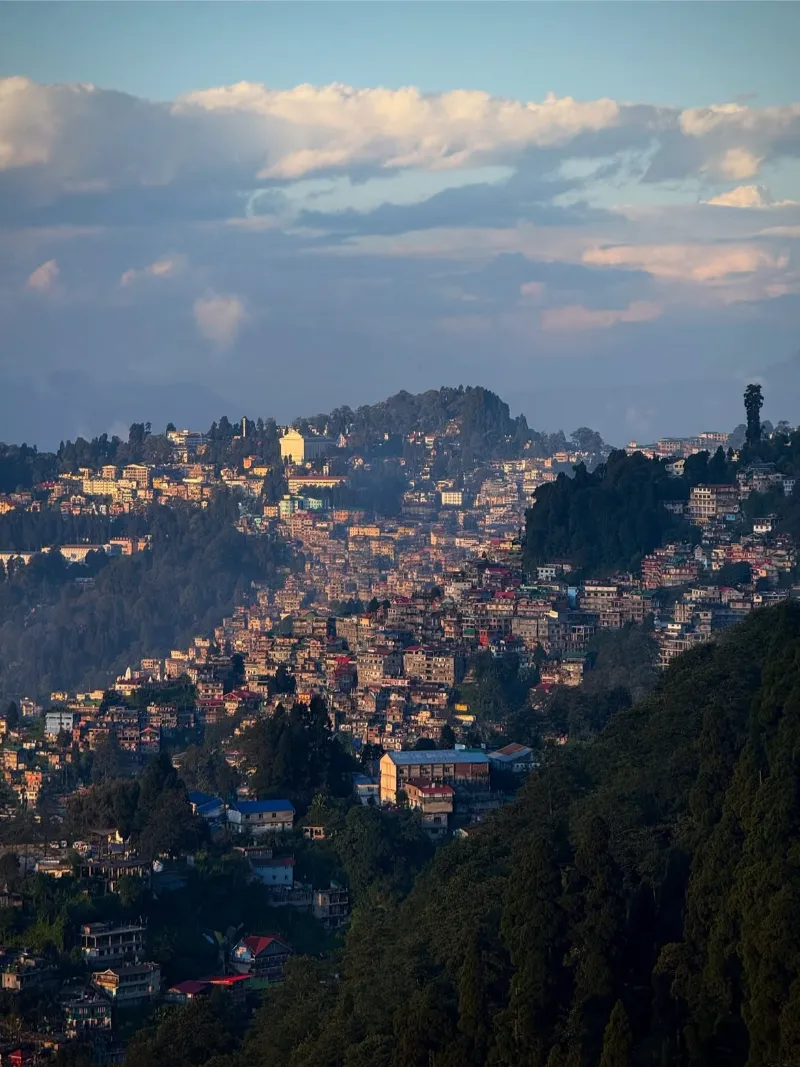
Perched majestically within the precipitous inclines of the Lesser Himalaya in West Bengal, Darjeeling—often venerated as the 'Queen of the Hills'—is a sublime synthesis of emerald undulating tea plantations, colonial-era architectural vestiges, and the omnipresent, panoramic gaze of the formidable Kanchenjunga massif. This globally renowned highland enclave epitomizes an exquisite confluence of British imperial nostalgia, vibrant Tibetan-Buddhist ethos, and indigenous Gorkha heritage.

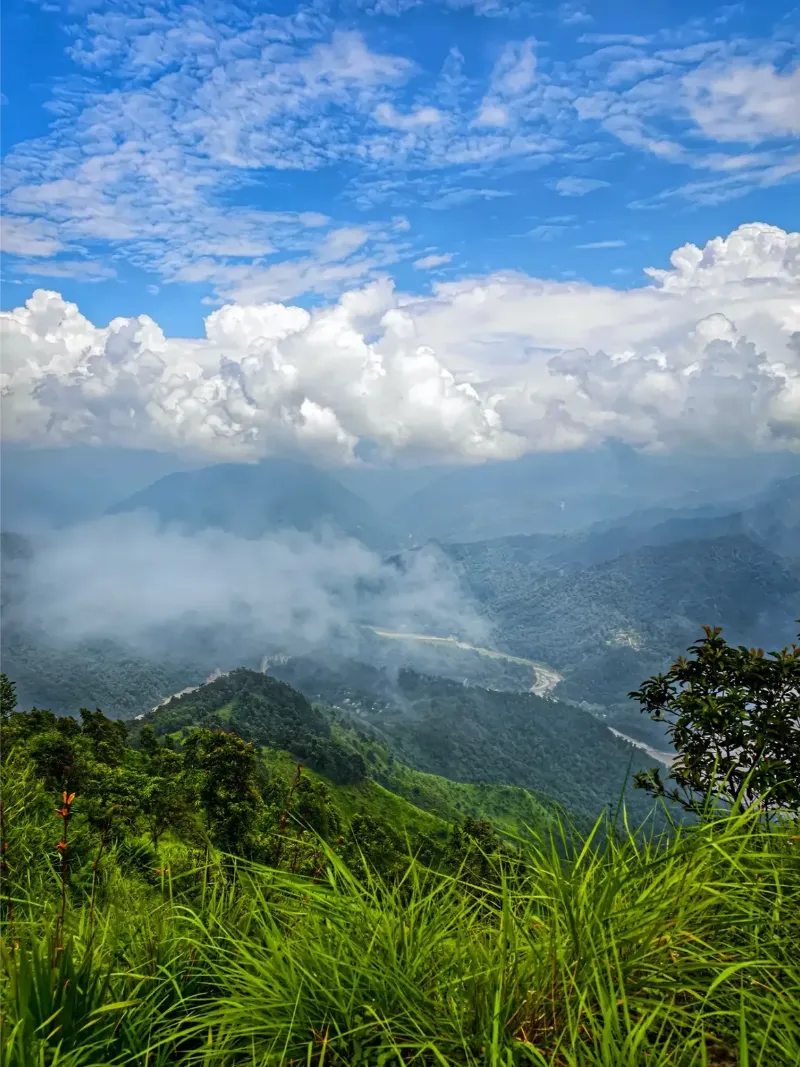
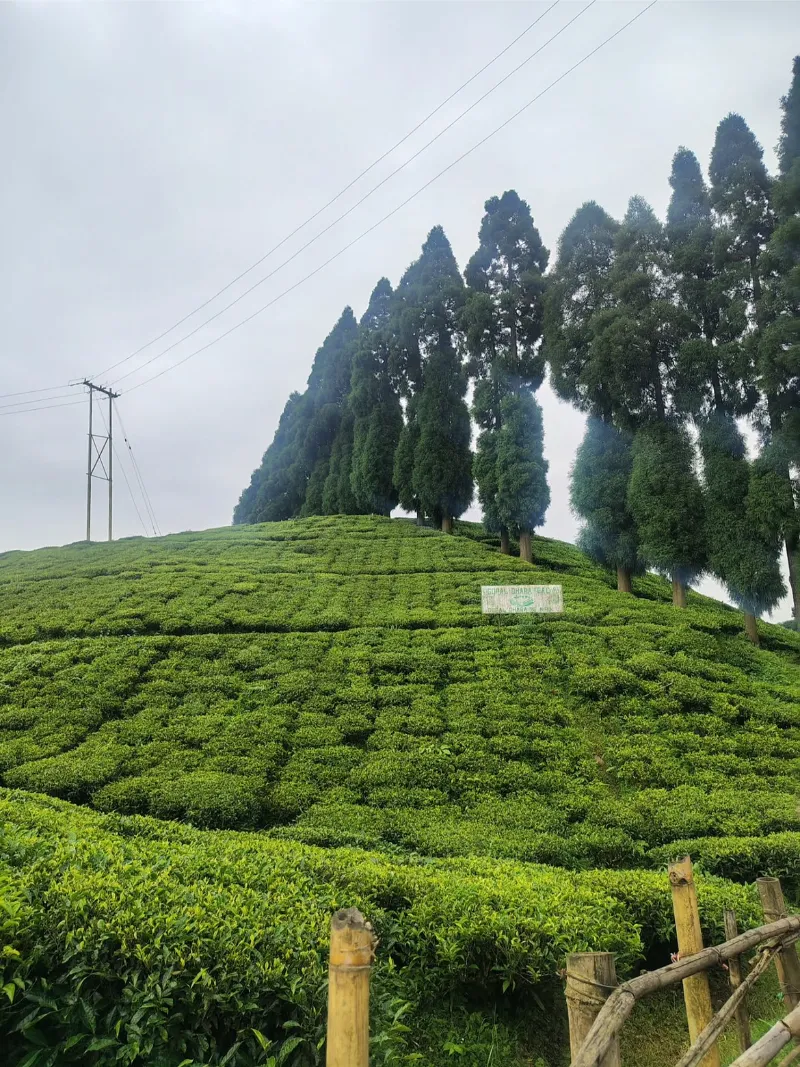
The topographical narrative of the region is delineated by steep, terraced escarpments carpeted with world-renowned Camellia sinensis bushes, intersected by serpentine mountain roadways and the archaic, narrow-gauge tracks of the Darjeeling Himalayan Railway. The town's elevated topography bestows upon it a temperate macroclimate, offering an idyllic sanctuary from the sweltering plains below, whilst presenting an awe-inspiring theater of mist-shrouded valleys and cerulean skies.

Darjeeling is quintessentially curated for discerning hedonists, botanical enthusiasts, and cultural epicureans captivated by orthodox tea horticulture, historic locomotive engineering, alpine zoology, and esoteric highland traditions. Its enduring romantic allure, juxtaposed against its vibrant, cosmopolitan pedestrian promenades, consecrates it as a timeless jewel in the crown of Himalayan tourism.

Lesser HimalayasQueen of the HillsTea EstatesColonial HeritageKanchenjunga ViewsUNESCO World HeritageMountain RailwayNatureCultural TourismHill Station
Best timeMarch to May
ElevationApproximately 2,042 meters (6,700 feet)
Typical climateApproximately 2°C to 19°C

Build your itinerary

Places to explore

Start with the experiences that best fit the way you want to travel.

01

Tiger Hill

ActivitiesSunrise observationLandscape photographyMountain viewingEarly morning excursion

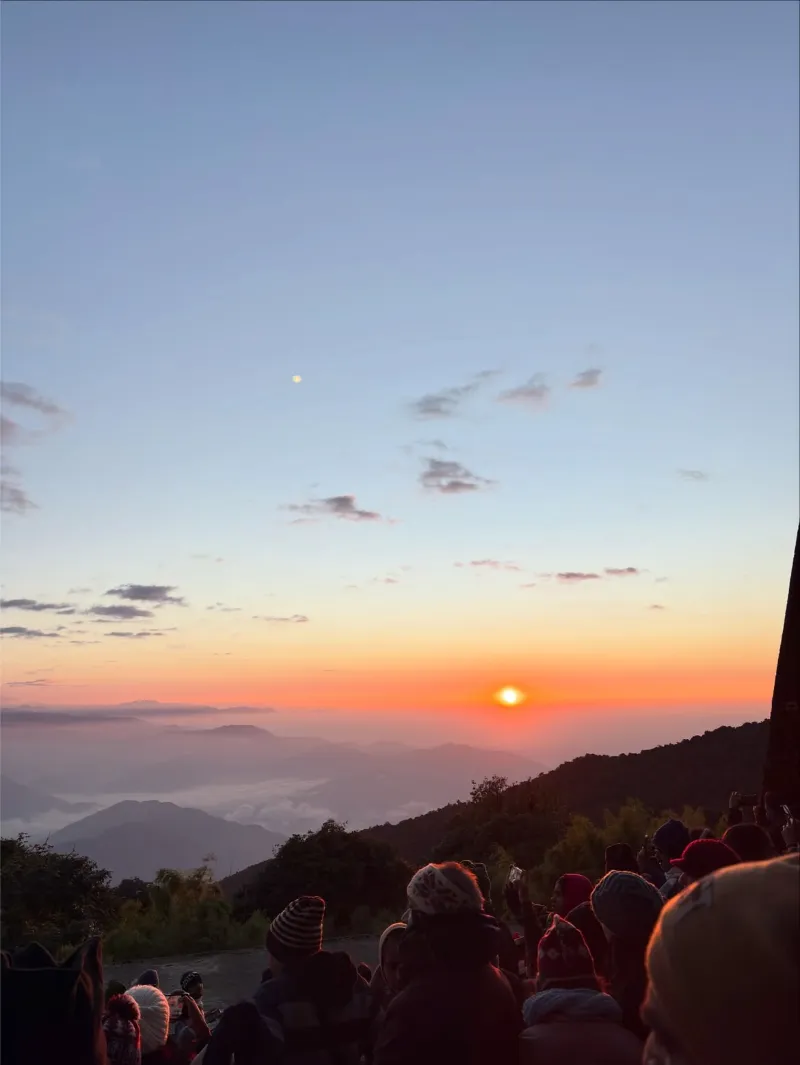
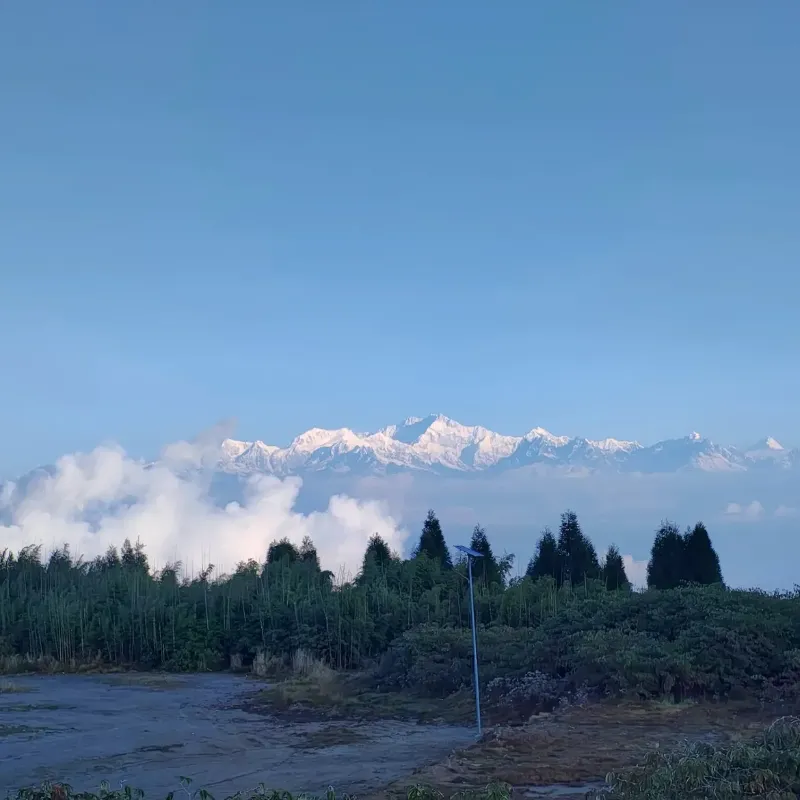
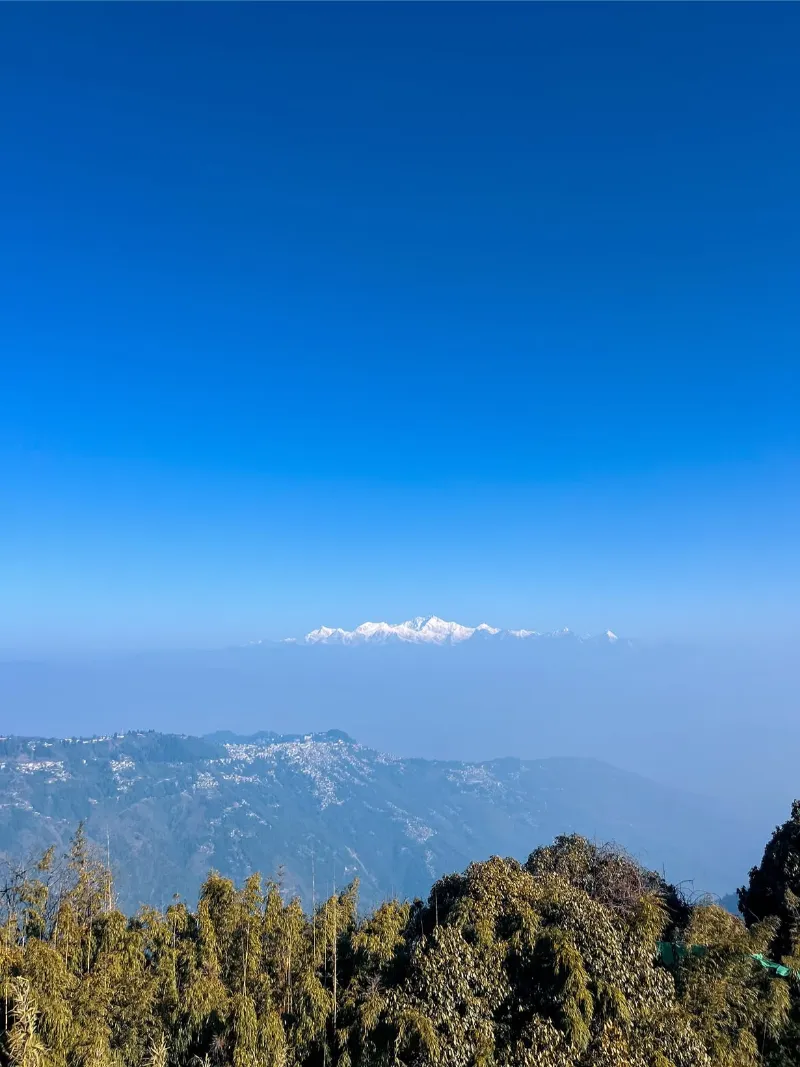
Tiger Hill constitutes the supreme altitudinal zenith of the Darjeeling precinct, commanding a formidable elevation of approximately 2,590 meters. It functions as an ethereal, celestial theater for witnessing the break of dawn, drawing throngs of pilgrims and aesthetes eager to observe the diurnal resurrection of the sun.

As the preliminary auroral rays pierce the crepuscular gloom, they orchestrate a staggering chromatic symphony upon the snow-clad summits of Kanchenjunga and, on exceptionally pellucid mornings, the distant, elusive apex of Mount Everest. This ephemeral, luminescent spectacle renders Tiger Hill an indispensable odyssey for connoisseurs of monumental natural phenomena.
Sunrise ViewpointKanchenjungaMount EverestHigh AltitudePhotographyNature Phenomenon
Tiger Hill image 1 Tiger Hill image 2 Tiger Hill image 3 Tiger Hill image 4
02

Darjeeling Himalayan Railway (Toy Train)

ActivitiesHeritage train ridePhotographyHistorical appreciationJoyride to Ghum

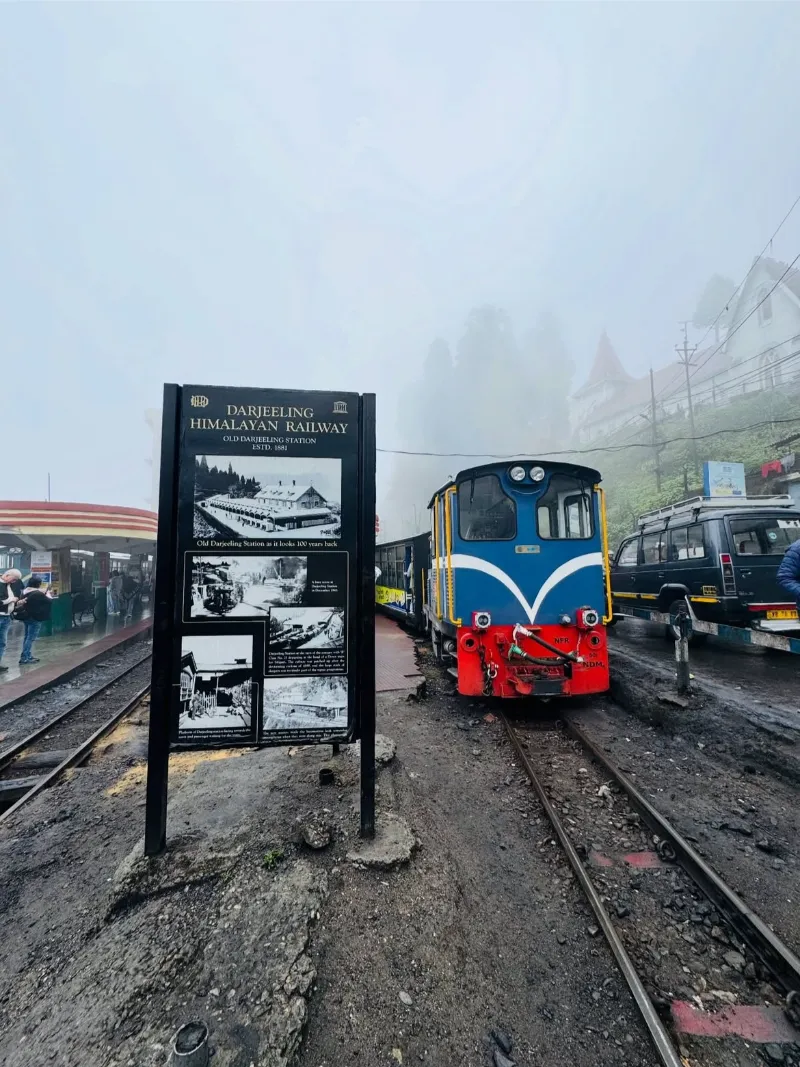
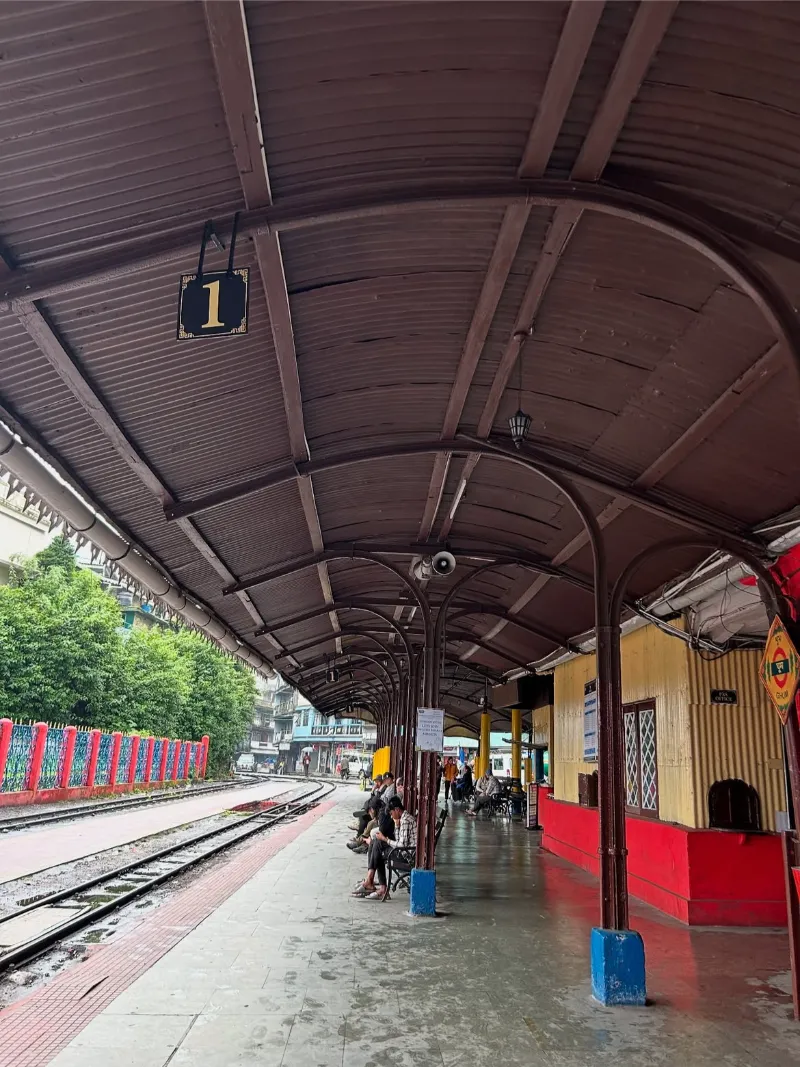
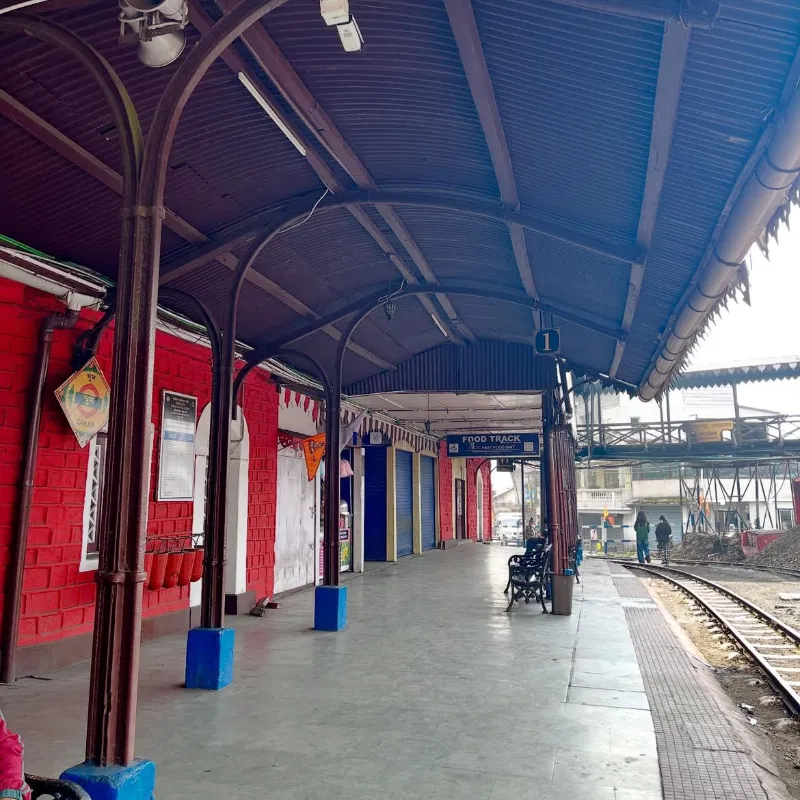
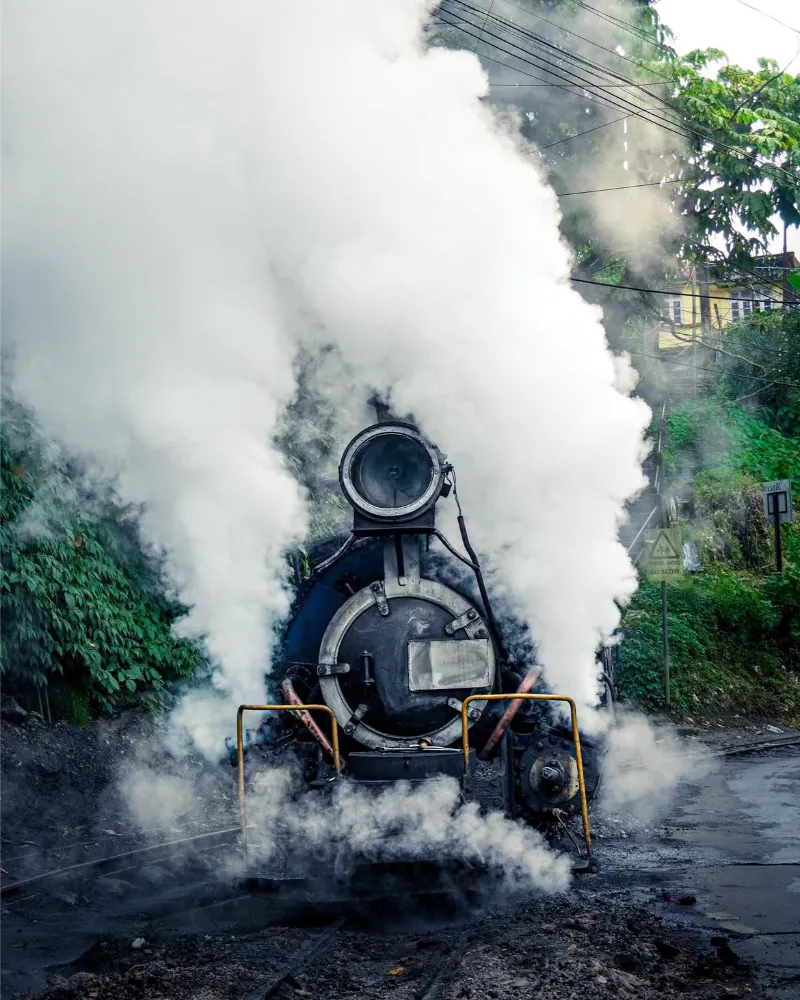
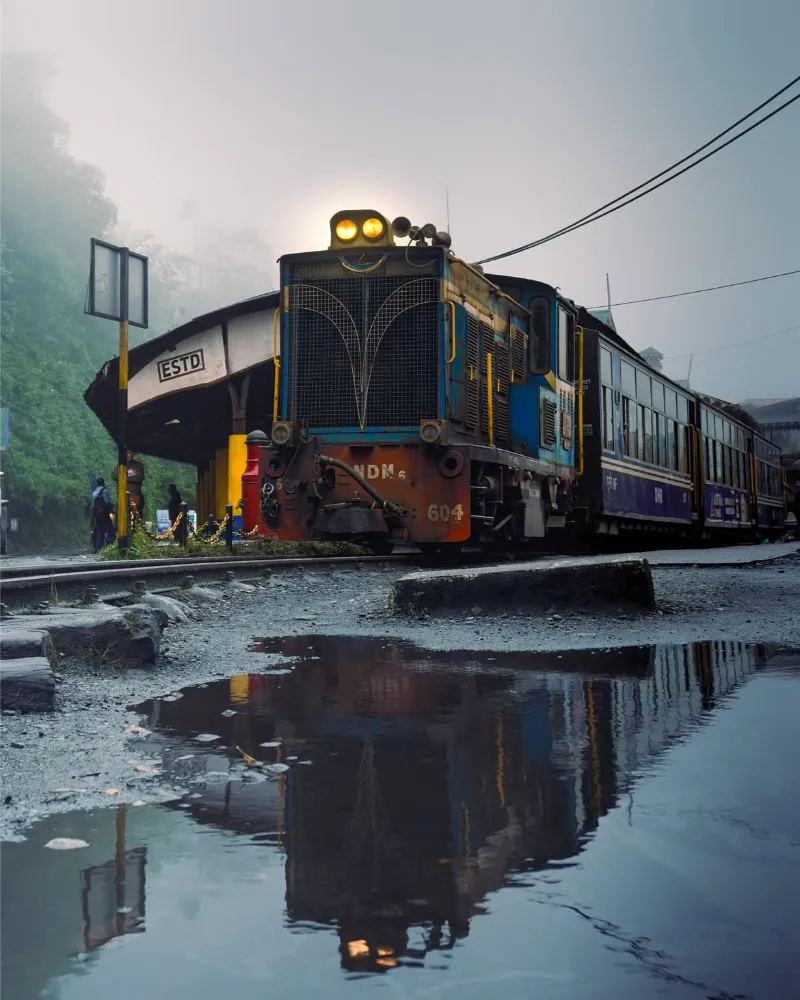
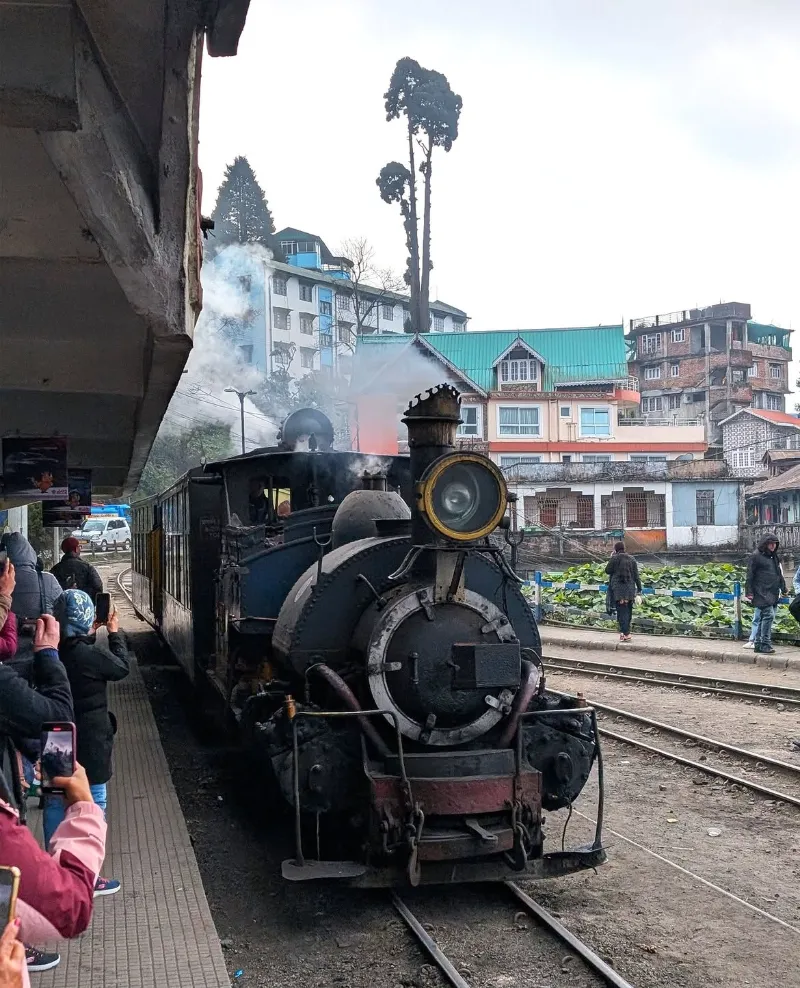
Enshrined as a UNESCO World Heritage marvel, the Darjeeling Himalayan Railway is a triumphant relic of 19th-century mechanical ingenuity. This diminutive, narrow-gauge locomotive traverses a labyrinthine, sinuous trajectory, laboriously chugging upward from the plains of New Jalpaiguri to the elevated terminus of Darjeeling.

The 'Toy Train,' characterized by its antiquated steam engines and rhythmic, percussive cadence, offers voyagers a profoundly nostalgic, languid transit through bustling township bazaars, verdant forested canopies, and precariously steep gradients. It stands not merely as a mode of conveyance, but as an immersive, anachronistic journey through the annals of colonial engineering.

UNESCO World HeritageHistoric RailwayColonial EngineeringToy TrainScenic JourneyCultural Landmark
Darjeeling Himalayan Railway (Toy Train) image 1 Darjeeling Himalayan Railway (Toy Train) image 2 Darjeeling Himalayan Railway (Toy Train) image 3 Darjeeling Himalayan Railway (Toy Train) image 4 Darjeeling Himalayan Railway (Toy Train) image 5
03

Batasia Loop

ActivitiesScenic sightseeingPhotographyHistorical reflectionGarden walkMountain observation

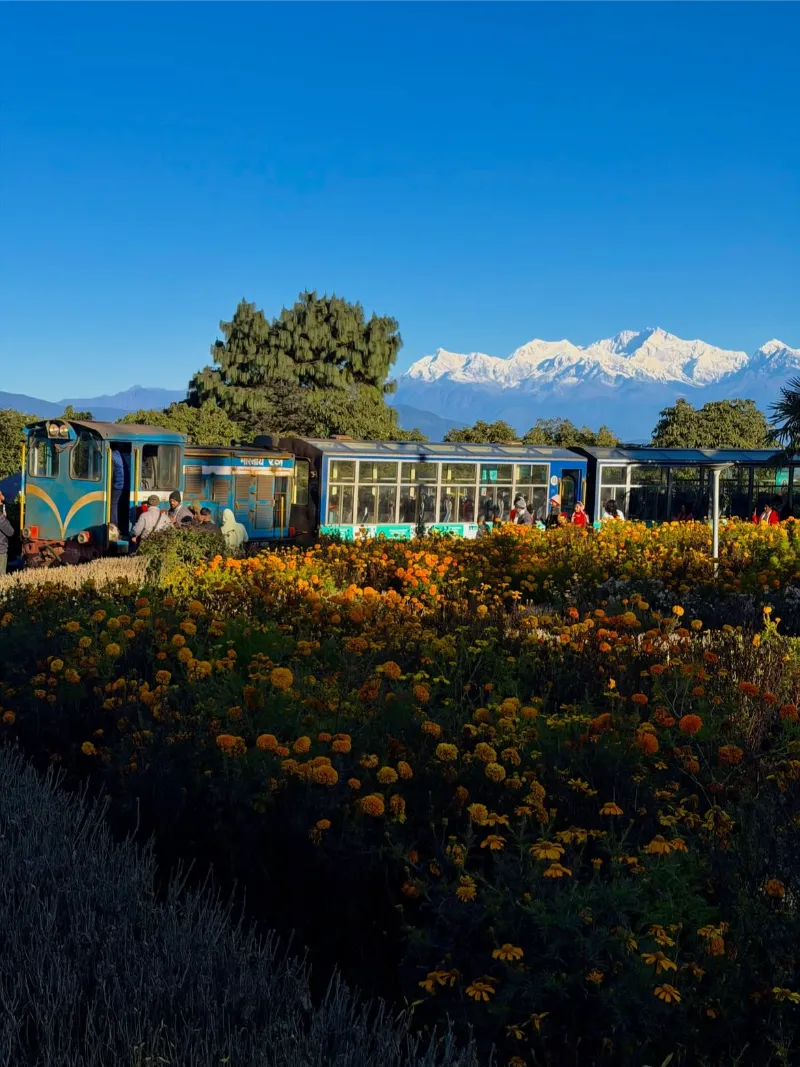
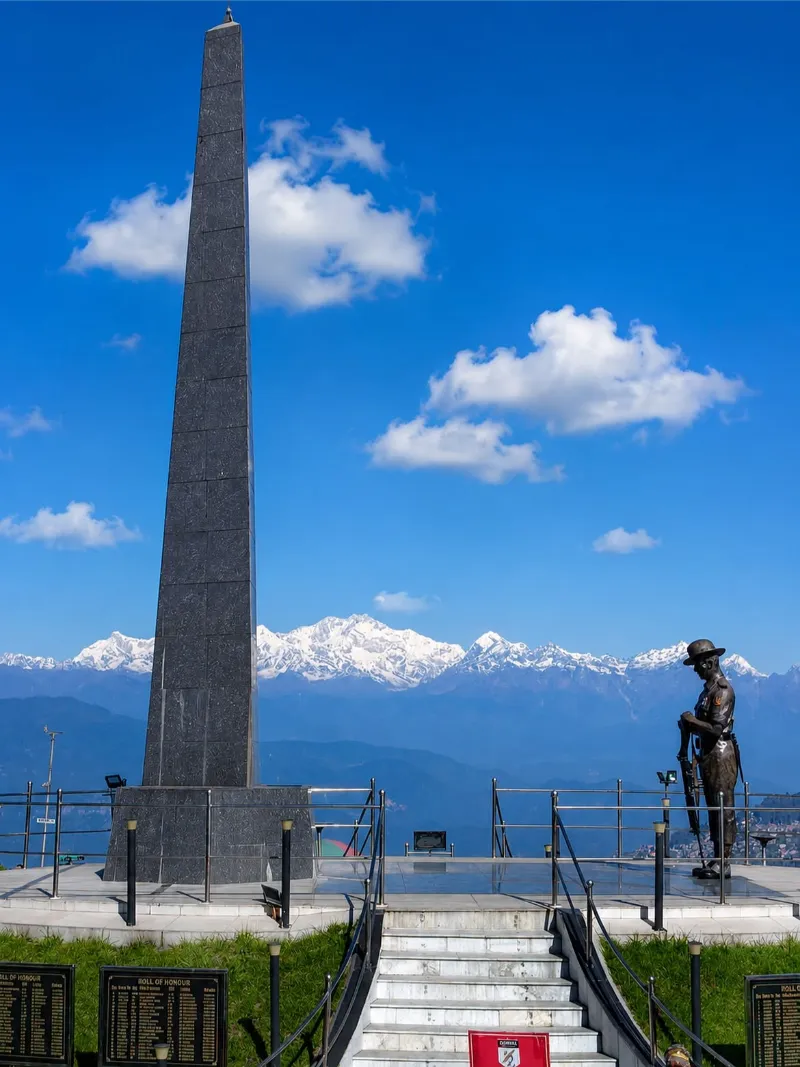
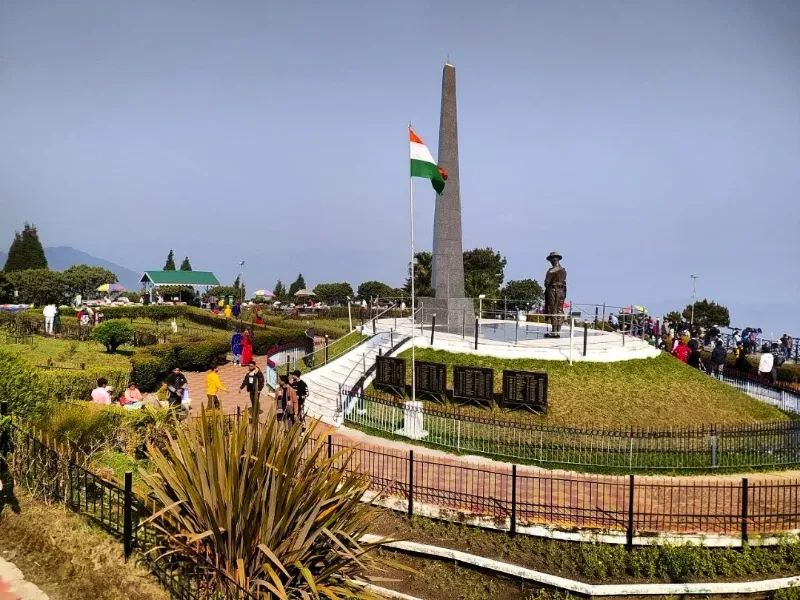
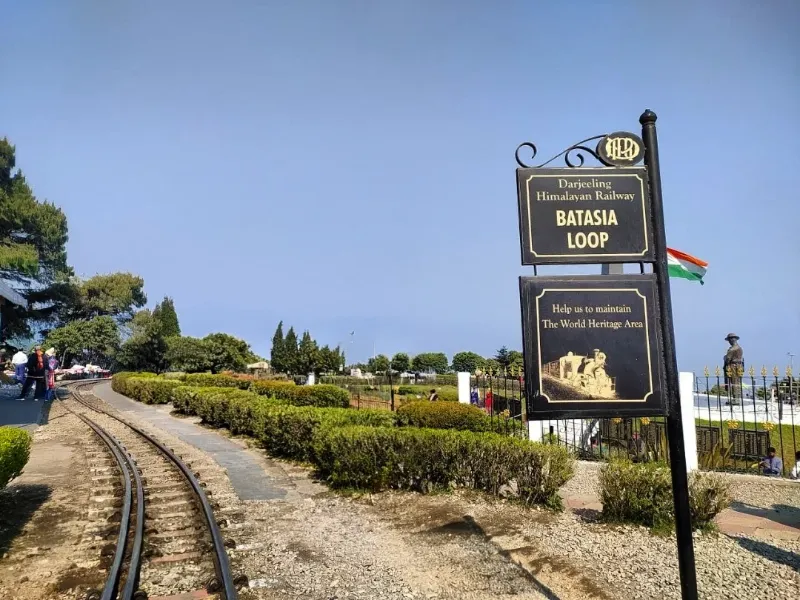
The Batasia Loop is an engineering masterstroke devised to mitigate the precipitously steep altitudinal gradient of the Darjeeling Himalayan Railway. Here, the locomotive negotiates a mesmerizing, spiral 360-degree circumambulation, creating a visually arresting spectacle set against a backdrop of meticulously manicured flora.

Crowning the epicenter of this railway loop is an austere, monumental cenotaph consecrated in reverence to the valorous Gorkha soldiers who laid down their lives in various global conflicts. The expansive, panoramic vantage afforded from this precinct allows for uninterrupted, panoramic contemplation of the Darjeeling township and the sprawling Kanchenjunga amphitheater.

Railway ArchitectureWar MemorialPanoramic ViewsLandscaped GardensPhotographyHistorical Site
Batasia Loop image 1 Batasia Loop image 2 Batasia Loop image 3 Batasia Loop image 4
04

Happy Valley Tea Estate

ActivitiesTea estate tourTea tastingPhotographyNature walksCultural exploration

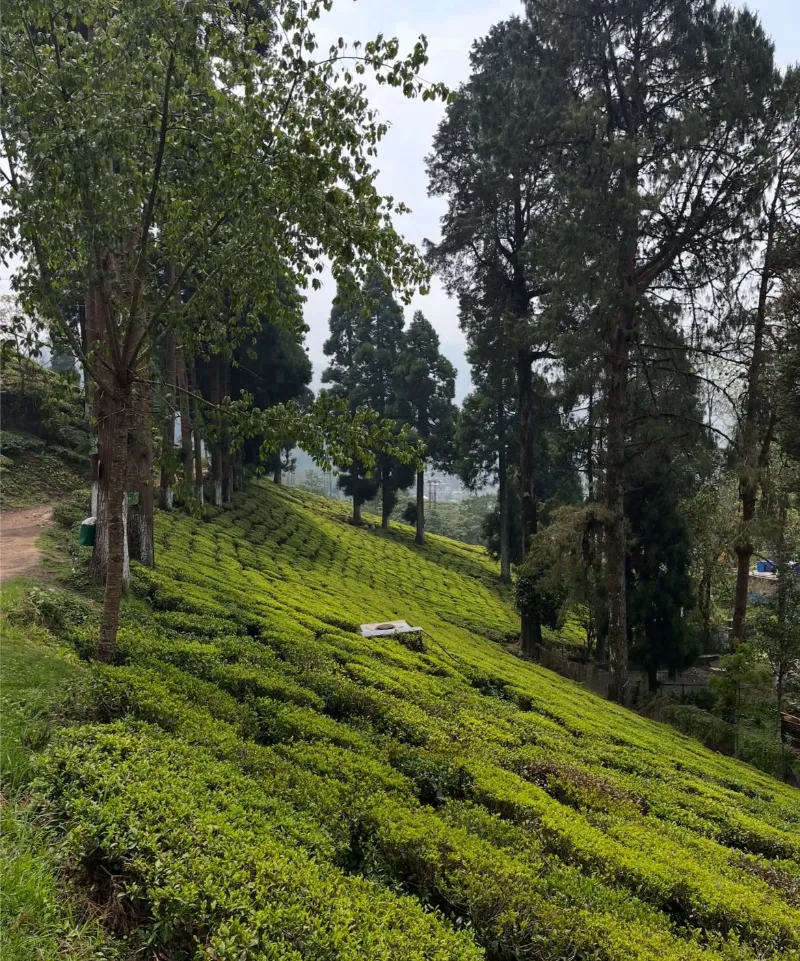
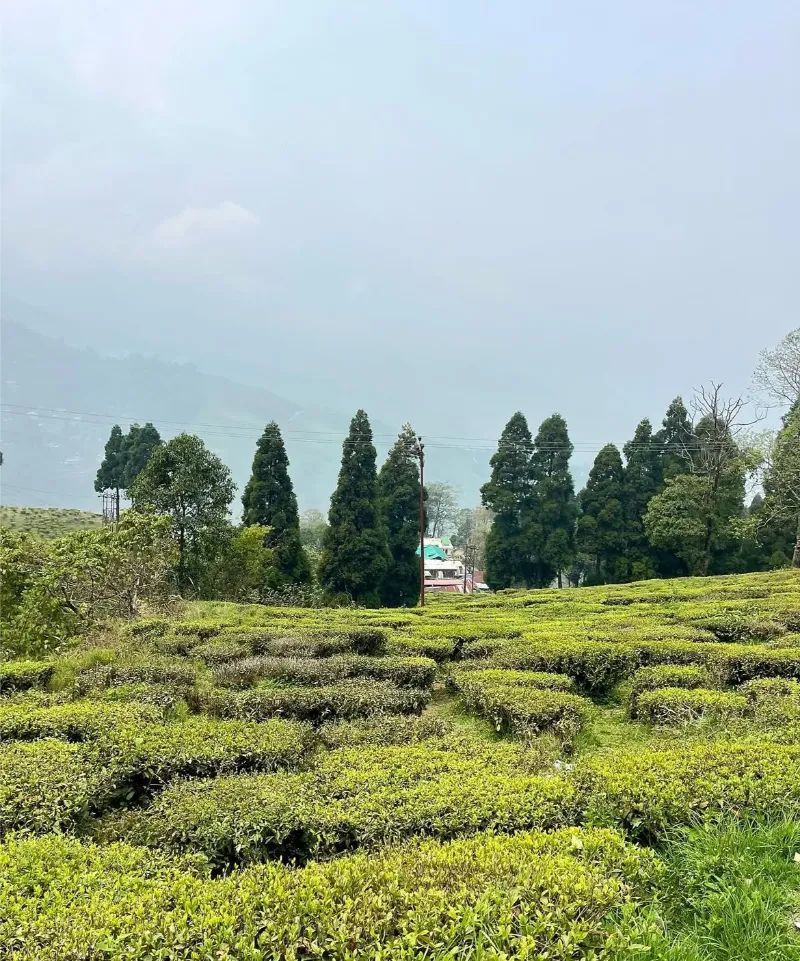
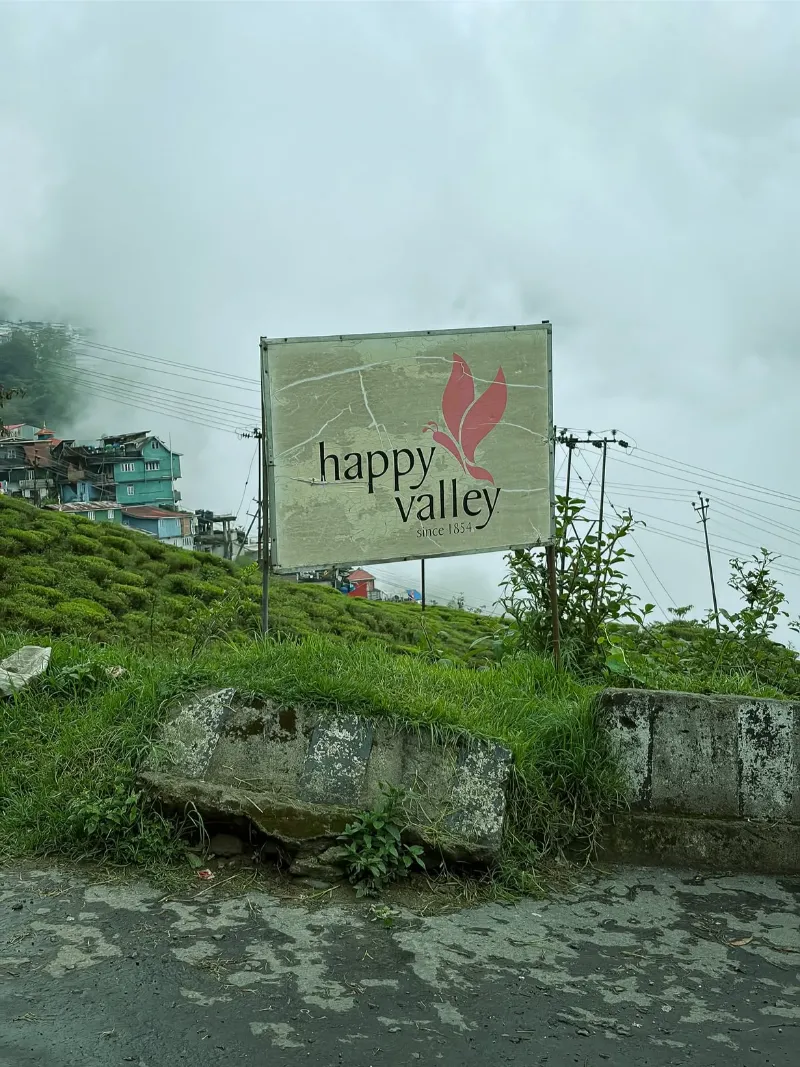
Sprawling across the undulating declivities adjacent to the town center, the Happy Valley Tea Estate is a venerable horticultural sanctuary dedicated to the cultivation of the world's most prestigious orthodox tea varieties. Established in the mid-19th century, it stands as the quintessential embodiment of Darjeeling's agrarian and economic legacy.

Visitors are granted the privilege of undertaking guided perambulations through the verdant, meticulously pruned terraces, followed by immersive olfactory and gustatory explorations within the processing manufactory. The estate offers an unparalleled masterclass in the delicate alchemy of plucking, withering, rolling, and fermenting the elusive 'Champagne of Teas'.

Tea PlantationHorticultural HeritageAgrarian LandscapeNature WalkCulinary TourismPhotography
Happy Valley Tea Estate image 1 Happy Valley Tea Estate image 2 Happy Valley Tea Estate image 3 Happy Valley Tea Estate image 4
05

Padmaja Naidu Himalayan Zoological Park

ActivitiesWildlife observationPhotographyConservation educationNature walking

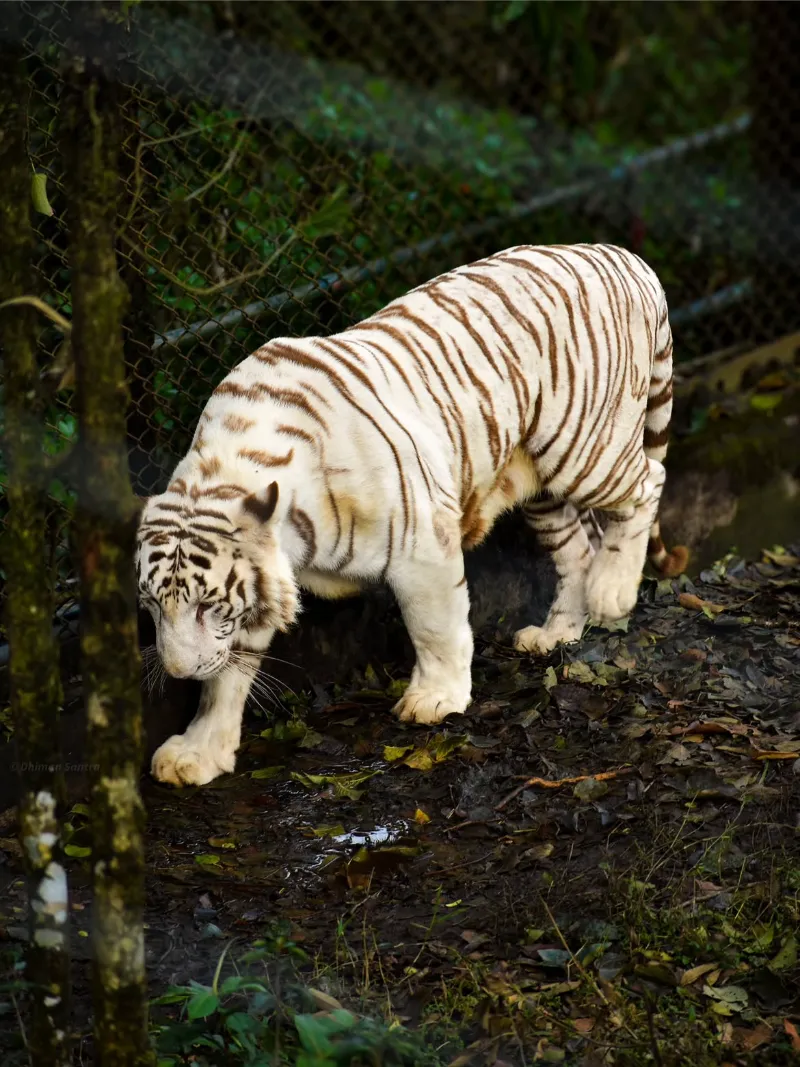
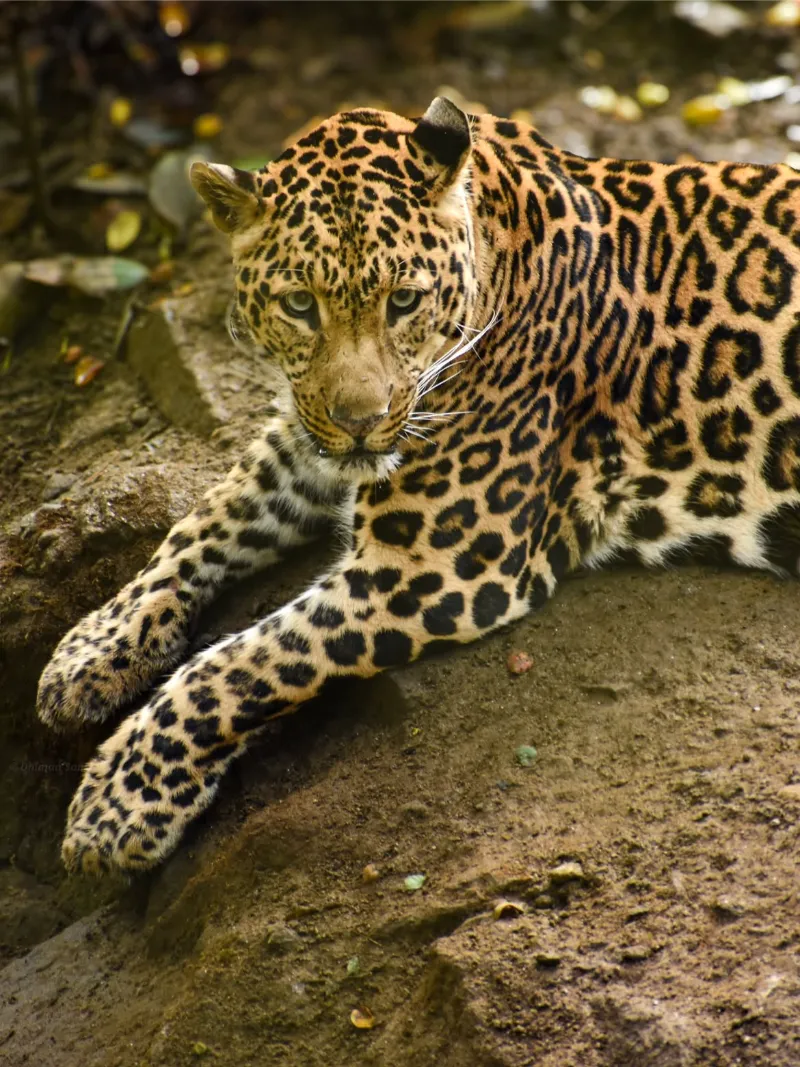
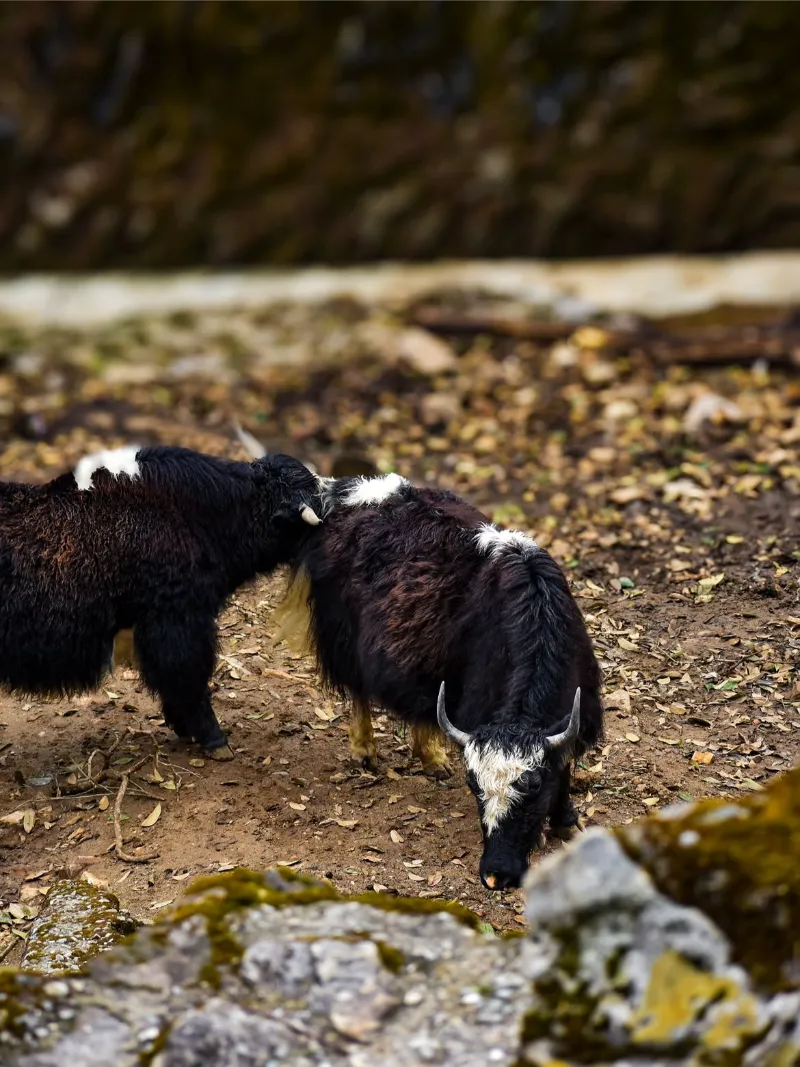
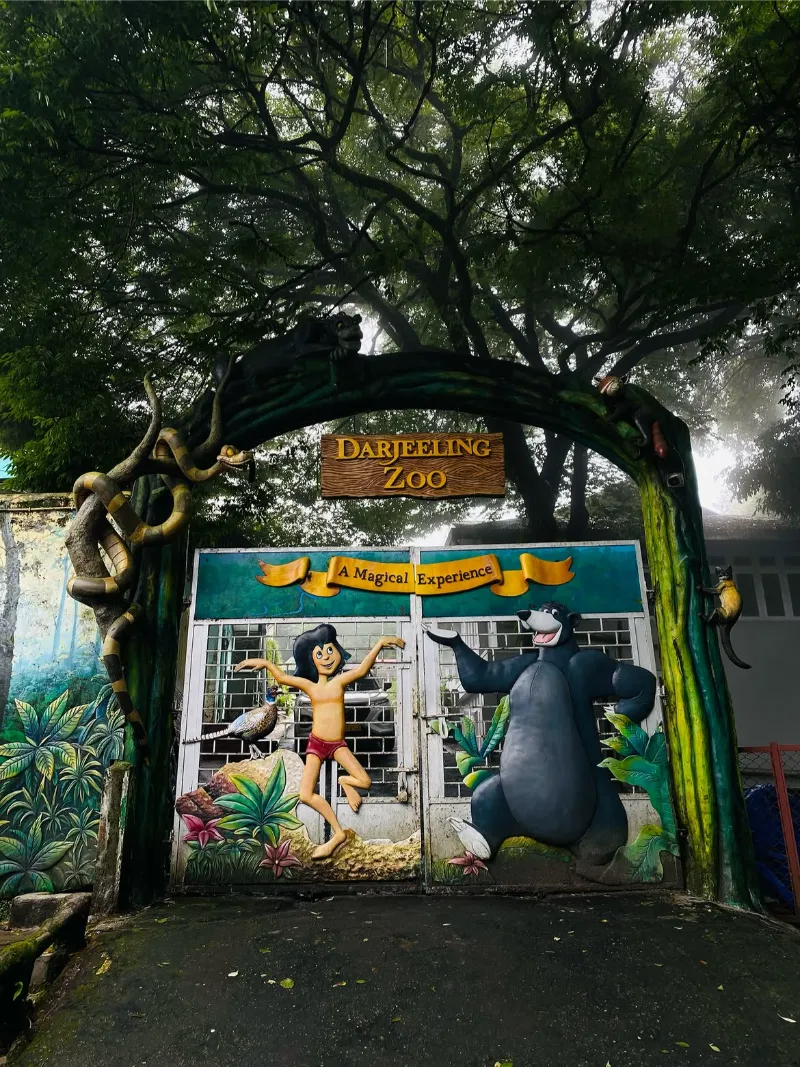
The Padmaja Naidu Himalayan Zoological Park is an internationally acclaimed, high-altitude conservatory dedicated to the preservation and propagation of endangered alpine fauna. Nestled within a dense canopy of ancient oaks and birches, it provides an unparalleled, localized biome for specialized mountain species.

The sanctuary is globally heralded for its triumphant captive breeding programs, most notably for the reclusive Ailurus fulgens (Red Panda) and the majestic Panthera uncia (Snow Leopard). It offers zoologists and casual visitors alike an extraordinary opportunity to observe rare Himalayan ungulates, wolves, and avian species in enclosures that meticulously replicate their indigenous habitats.

High Altitude ZooWildlife ConservationRed PandaSnow LeopardBiodiversityNature
Padmaja Naidu Himalayan Zoological Park image 1 Padmaja Naidu Himalayan Zoological Park image 2 Padmaja Naidu Himalayan Zoological Park image 3 Padmaja Naidu Himalayan Zoological Park image 4 Padmaja Naidu Himalayan Zoological Park image 5
06

Chowrasta (The Mall)

ActivitiesLeisure walkingShoppingLocal cuisinePeople watchingEquestrian ridesPhotography

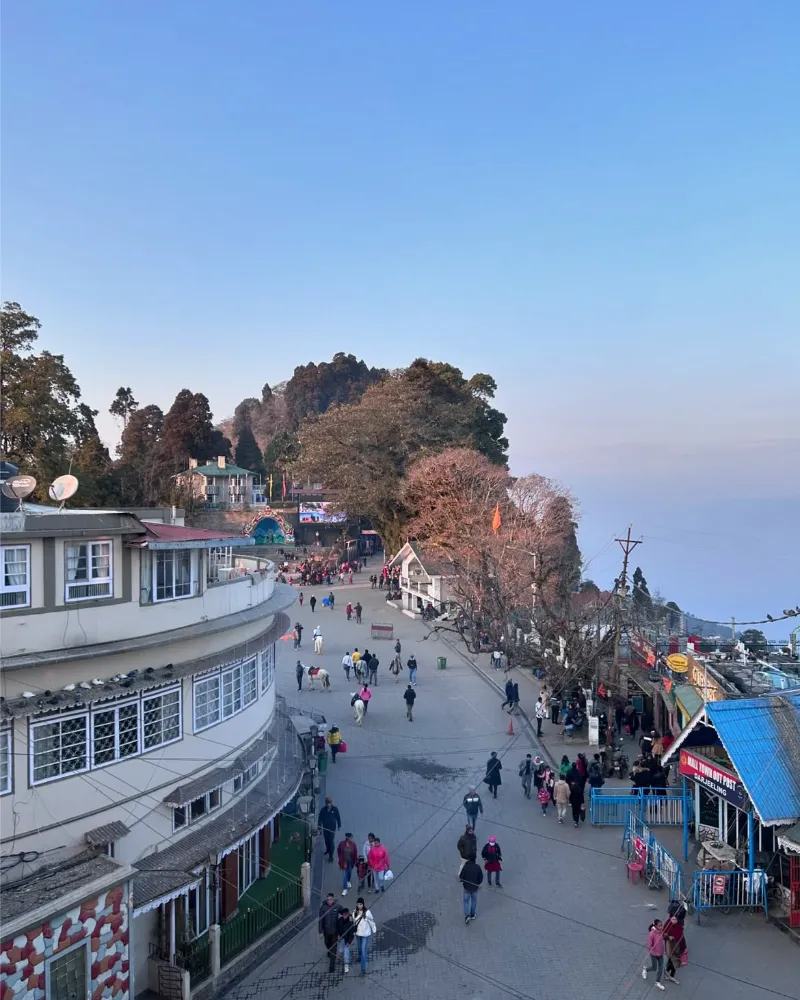
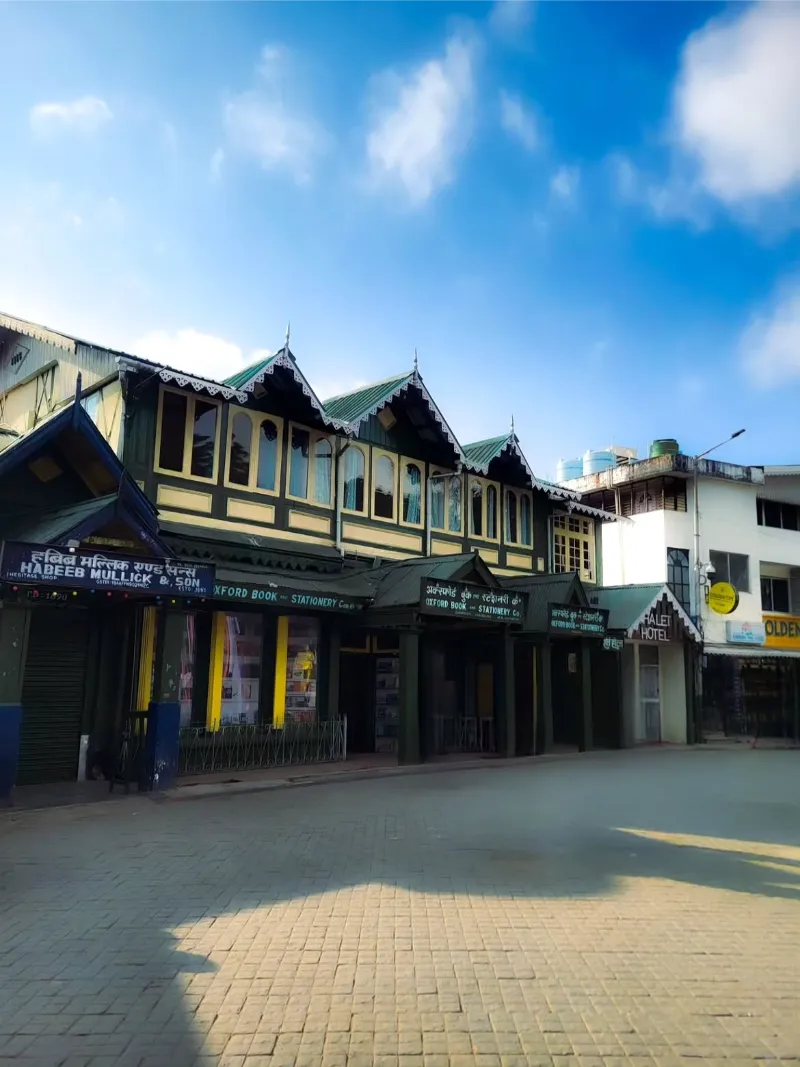
Chowrasta, or 'The Mall,' functions as the pulsating cosmopolitan nucleus and the principal pedestrian promenade of Darjeeling. Devoid of vehicular cacophony, this expansive, heritage-paved plaza is framed by a constellation of antiquated colonial boutiques, heritage bookshops, and traditional teahouses.

It serves as a lively, egalitarian nexus where both itinerant globetrotters and local denizens converge to luxuriate in the salubrious mountain air, partake in equestrian ambles, or simply engage in unhurried contemplation while gazing upon the majestic valleys that plunge precipitously from the ridge.

Town SquarePedestrian PromenadeColonial ArchitectureShoppingCultural HubLeisure
Chowrasta (The Mall) image 1 Chowrasta (The Mall) image 2 Chowrasta (The Mall) image 3 Chowrasta (The Mall) image 4
07

Himalayan Mountaineering Institute (HMI)

ActivitiesMuseum tourHistorical explorationPhotographyEducational visit

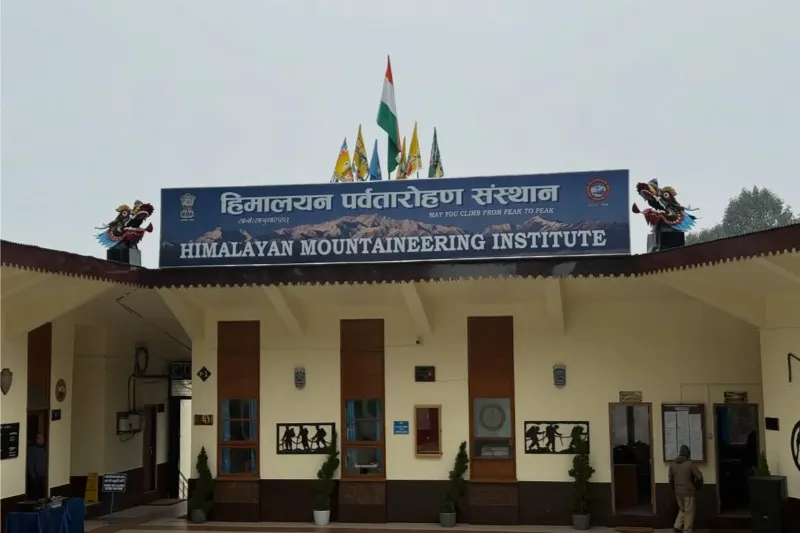
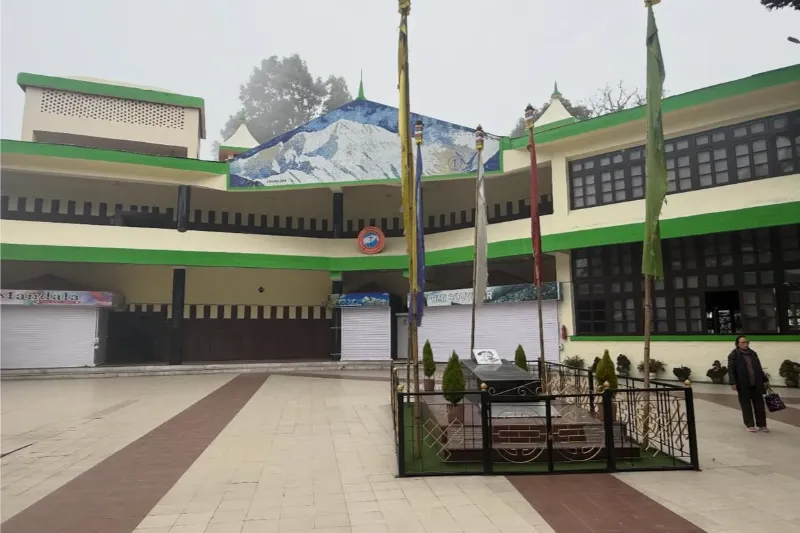
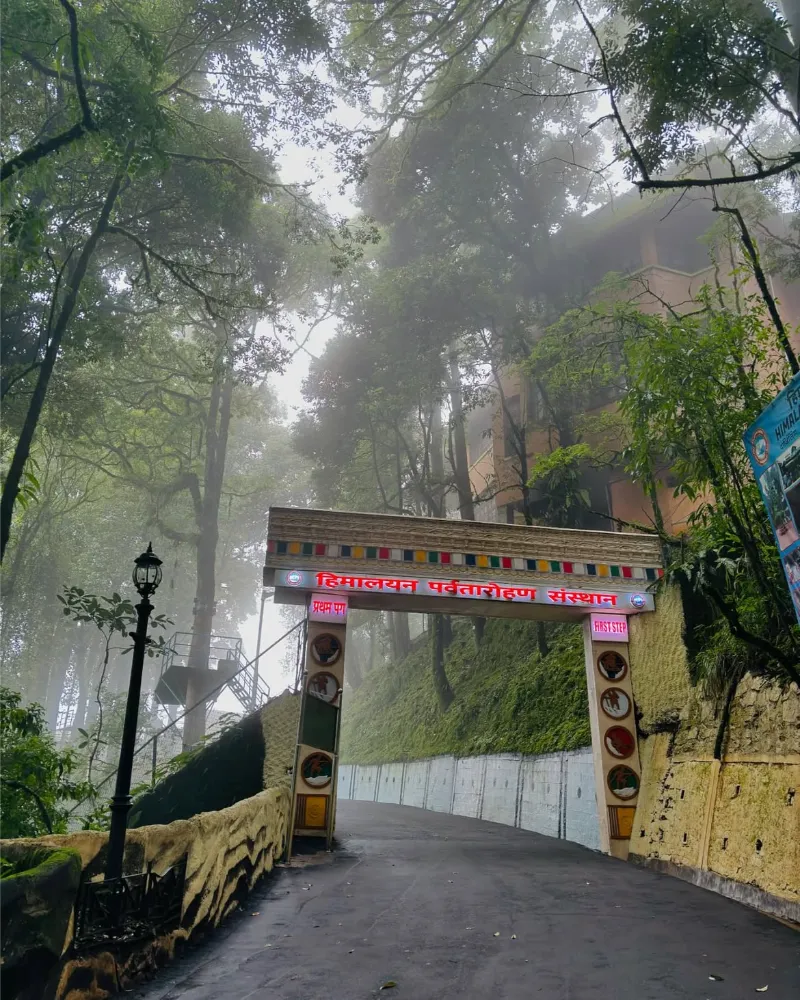
Co-located within the precincts of the Zoological Park, the Himalayan Mountaineering Institute stands as a venerable repository of alpinist history and a premier instructional academy for high-altitude endurance. Founded to commemorate the epochal ascent of Mount Everest by Tenzing Norgay and Edmund Hillary, HMI is a temple to the indomitable human spirit.

The institute houses a meticulously curated museum showcasing archaic and contemporary climbing paraphernalia, historical archives, and personal artifacts of legendary mountaineers. It is an indispensable pilgrimage for adventure enthusiasts seeking to comprehend the arduous legacy of Himalayan cartography and summit expeditions.

MountaineeringHistorical MuseumTenzing NorgayAdventure HistoryCultural LandmarkEducational
Himalayan Mountaineering Institute (HMI) image 1 Himalayan Mountaineering Institute (HMI) image 2 Himalayan Mountaineering Institute (HMI) image 3 Himalayan Mountaineering Institute (HMI) image 4
08

Peace Pagoda & Japanese Temple

ActivitiesSpiritual observationMeditationPhotographyArchitecture appreciationScenic viewing

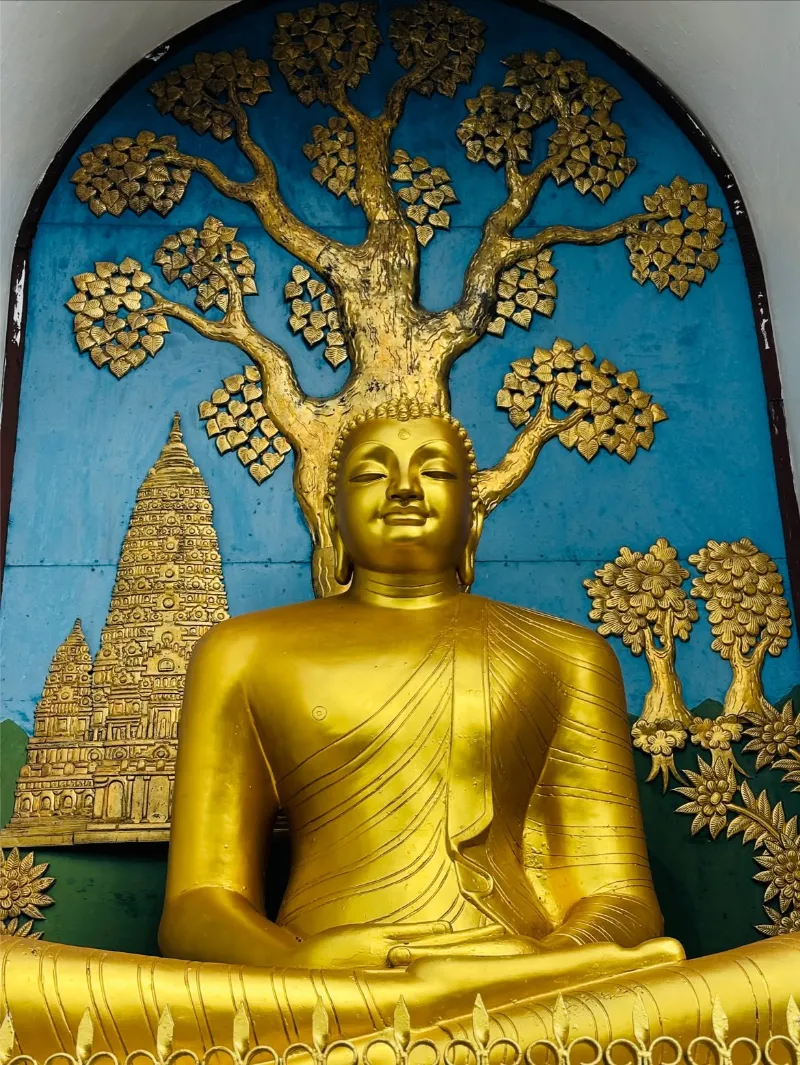
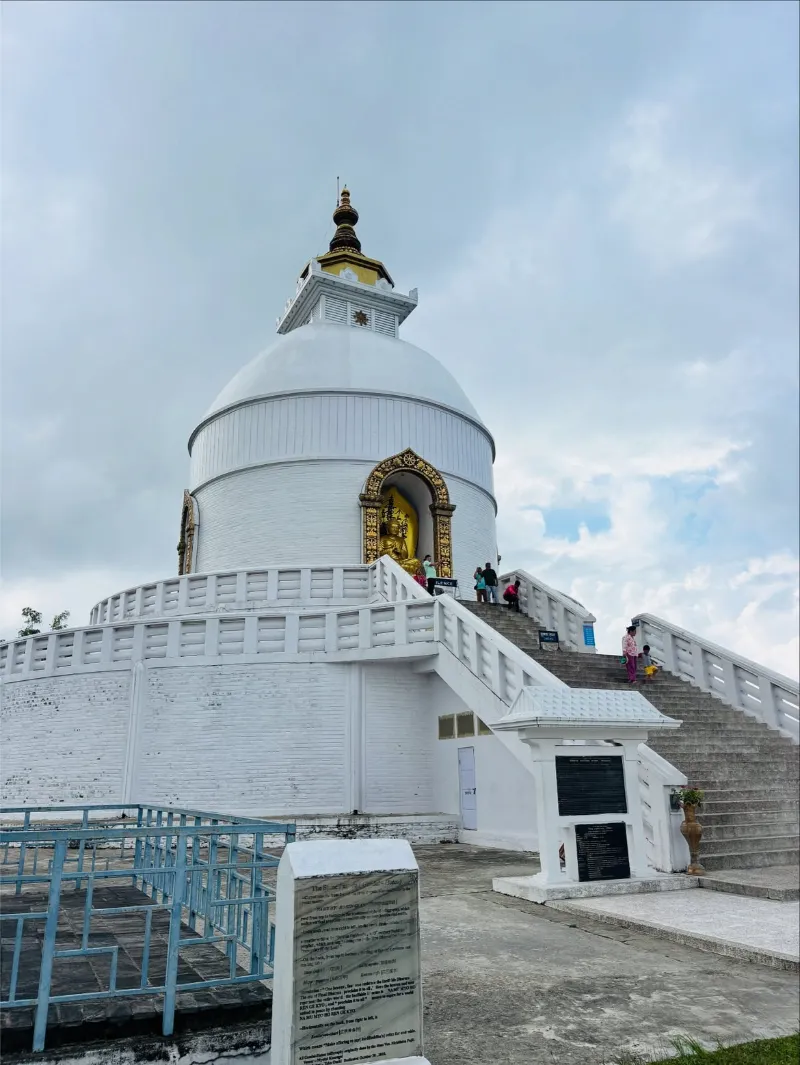
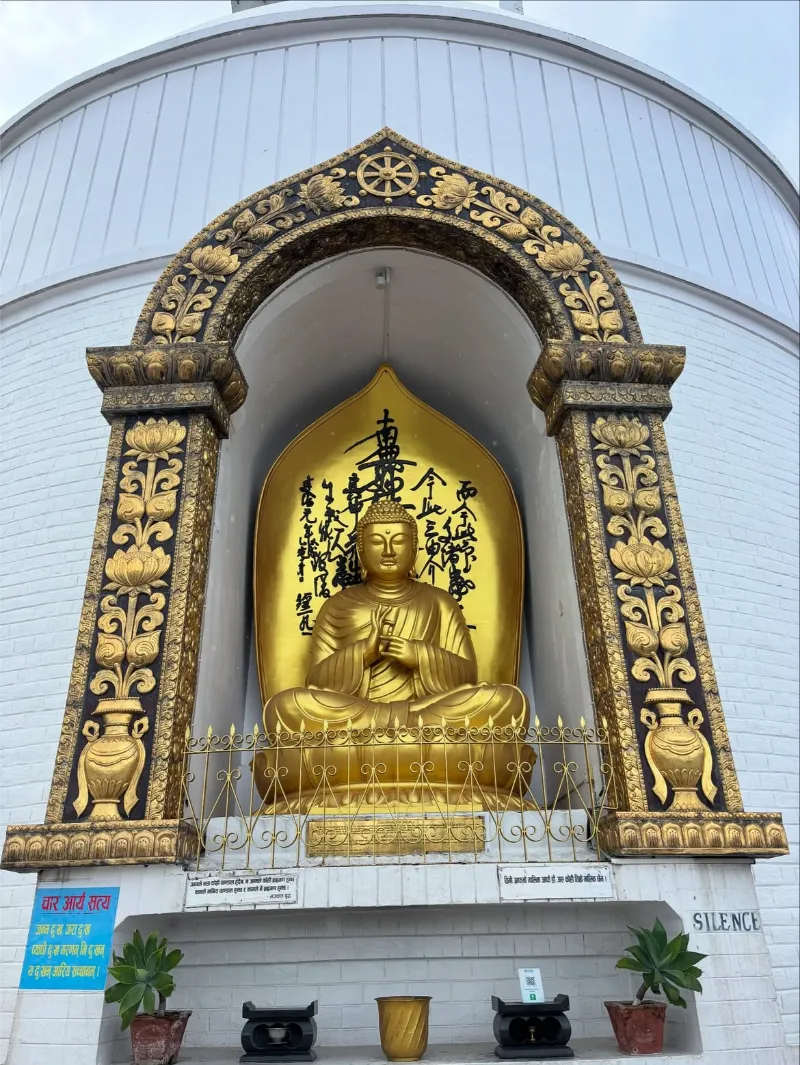
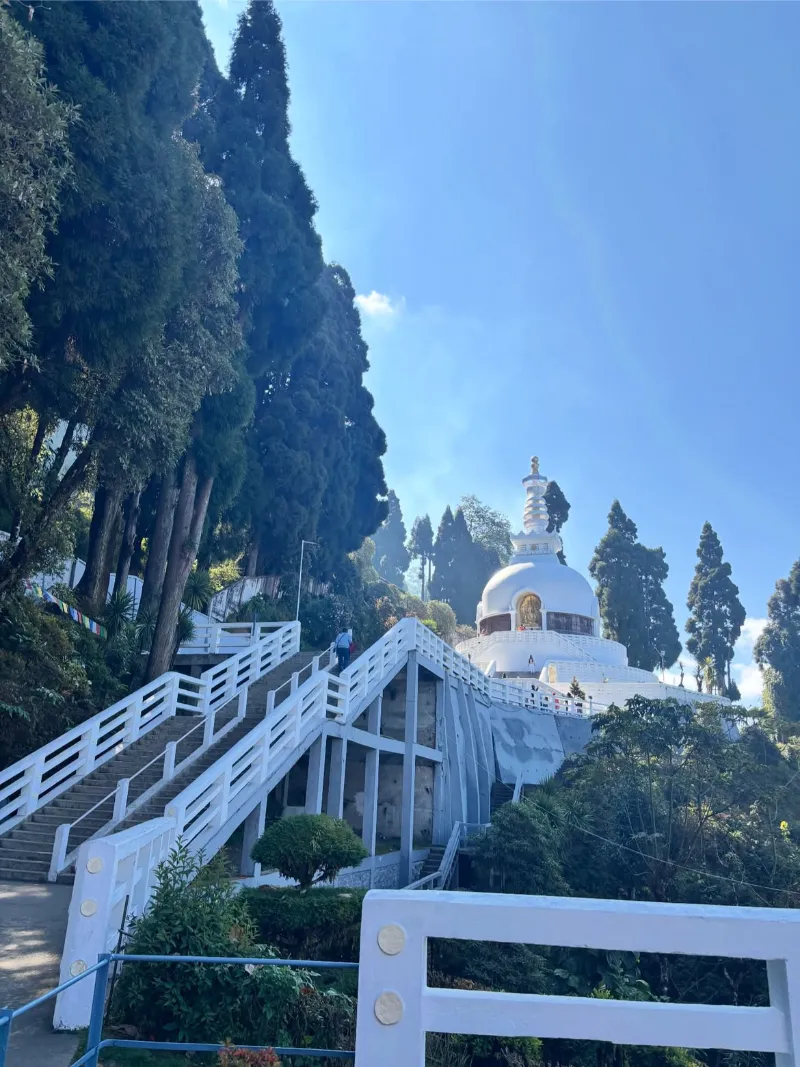
Rising starkly against the verdant slopes, the Japanese Peace Pagoda is a gleaming, alabaster edifice symbolizing universal amity and spiritual tranquility. Inaugurated under the auspices of the Nipponzan Myohoji Buddhist order, the monument houses exquisite, golden avatars depicting the life and parables of Siddhartha Gautama.

Adjacent to the pagoda lies a traditional Japanese temple, characterized by its austere, elegant wooden architecture. The resonant, rhythmic beating of the temple drums during diurnal prayer sessions creates a profoundly meditative resonance, offering an oasis of profound serenity amidst the bustling hillside.

Buddhist MonumentSpiritual TourismPeace PagodaArchitectureMeditationPanoramic Views
Peace Pagoda & Japanese Temple image 1 Peace Pagoda & Japanese Temple image 2 Peace Pagoda & Japanese Temple image 3 Peace Pagoda & Japanese Temple image 4

Plan with confidence

Travel details

Practical information for planning your time in Darjeeling.

When to go

Primary
March to May
Secondary
October to November
Description

The most propitious intervals for an immersion into Darjeeling’s splendors align with the vernal awakening of spring and the crystalline atmospheric lucidity of post-monsoonal autumn. From March to May, the region flourishes under temperate climatology, characterized by balmy zephyrs and a spectacular proliferation of rhododendrons and magnolias across the hillsides.

Conversely, October and November are esteemed for their unparalleled meteorological stability, completely devoid of the monsoonal mist, thereby affording razor-sharp, breathtaking panoramas of the Kanchenjunga massif against cerulean skies. The winter epoch introduces a brisk, hyperborean chill, appealing strictly to those who relish austere, frosty mornings and crackling hearths.

The monsoonal stretch, predominating from June through September, routinely subjects the region to torrential, unrelenting deluges and impenetrable fog. While this period imbues the tea estates with an electrifying, saturated emerald hue, it severely curtails sightseeing visibility and occasionally triggers logistical disruptions via road blockades.

Know before you go

Elevation
Value
Approximately 2,042 meters (6,700 feet)
Unit
meters above sea level
Description

Nestled comfortably within the temperate altitudinal strata of the Lesser Himalayas, Darjeeling's elevation curates its signature, salubrious climate. This precise topological positioning fosters the unique agro-climatic conditions mandatory for cultivating the region's globally feted orthodox teas.

Climate
Average Range
Approximately 2°C to 19°C
Summer
Approximately 10°C to 19°C
Winter
Approximately 2°C to 9°C
Description

Darjeeling evades the torrid extremes characteristic of the Indian plains, sustaining a uniformly cool and restorative thermal baseline. Summers are blissfully mild, requiring light layered apparel, whilst the winter solstice commands robust, insulated thermal wear to combat the pervasive chill.

How to reach

By Air
Name

By Air

The paramount aviation conduit facilitating aerial entry is Bagdogra Airport, situated approximately 70 kilometers away in the adjacent plains. It boasts robust domestic connectivity, acting as the primary disembarkation nexus for airborne travelers.

Upon alighting at Bagdogra, voyagers face a picturesque, roughly three-hour overland ascent via chartered taxis or shared vehicular conveyances, navigating a spectacular topological transition from the flatlands into the precipitous Himalayan foothills.

By Rail
Name

By Rail

The preeminent broad-gauge terrestrial hub is New Jalpaiguri (NJP) Railway Station, heavily interwoven with the national rail grid. For the romantically inclined, NJP also serves as the inaugural terminus for the legendary, narrow-gauge Darjeeling Himalayan Railway.

While ascending via the antiquated 'Toy Train' is an exercise in leisurely nostalgia, those favoring expeditionary velocity typically opt for robust, road-bound vehicular transit from the station directly into the mountainous hinterland.

By Road
Name

By Road

Darjeeling is intricately bound to the lowland urban centers of Siliguri and New Jalpaiguri by two primary, serpentine arteries: the archaic Hill Cart Road (NH110) and the precipitous, modernized Rohini Road.

An extensive, dynamic fleet of shared transport and private automobiles orchestrates daily vertical migrations. The trajectory is a breathtaking visual feast, charting a course through dense sal forests, ascending past meticulous tea estates, and culminating in the misty embrace of the hill station.

Seasonal guide

Name

Spring

Months
March to May
Temperature
Approximately 10°C to 19°C
Description

Springtime orchestrates a vibrant botanical renaissance across the township. The climate remains delectably temperate, offering an immaculate backdrop for extensive ambulatory explorations and unhindered architectural sightseeing.

Name

Monsoon

Months
June to September
Temperature
Approximately 13°C to 19°C
Description

The monsoonal deluge cloaks the topography in a dense, ethereal mist, rendering the tea gardens stunningly verdant. However, pervasive humidity, relentless precipitation, and the omnipresent threat of landslides make peripatetic tourism exceedingly arduous.

Name

Autumn

Months
October to November
Temperature
Approximately 6°C to 15°C
Description

Autumn unequivocally represents the zenith of Darjeeling’s tourist calendar. The skies purge their monsoonal haze, revealing the Himalayan monoliths with staggering clarity, complemented by delightfully crisp and invigorating atmospheric temperatures.

Name

Winter

Months
December to February
Temperature
Approximately 2°C to 9°C
Description

Winter descends upon the hills with a biting, penetrating frost, particularly during the crepuscular hours. While snowfall within the town proper is a rare, serendipitous anomaly, the surrounding higher elevations occasionally don a transient mantle of white.

Travel this way

Packages for Darjeeling

Start with a route shaped around the character of Darjeeling.

View all Darjeeling packages
Darjeeling Mountain Escape
2N / 3DDarjeeling

Darjeeling Mountain Escape

Tea gardens, heritage stays, and unhurried Himalayan views.

Explore this package
Darjeeling & Sikkim Journey
5N / 6DDarjeeling

Darjeeling & Sikkim Journey

Pair Darjeeling charm with the landscapes of Sikkim.

Explore this package