By picovoyage · Reviewed 2026-11-14 by Picovoyage
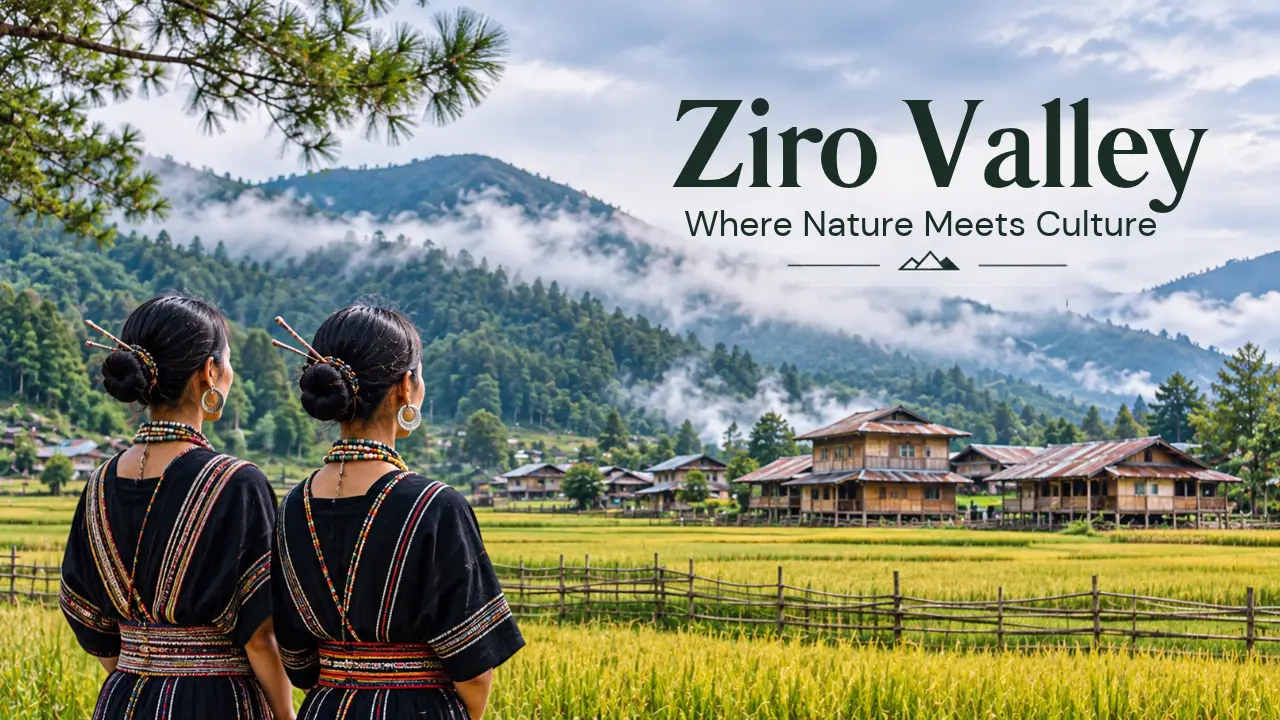
Arunachal Pradesh’s Ziro Valley is somewhere the rest of India forgot to hurry. The valley sits on the Apatani plateau at around 1,500 meters, opening into a broad bowl of colorful green rice fields, surrounded by soft, pine-covered hills. In the morning, mist floats over the river, and by afternoon the sun bathes the valley in gold. It’s even on UNESCO’s World Heritage tentative list, and one look at the scenery will tell you why.
But Ziro is not only a gorgeous vista. This is the home of the Apatani people, who have cultivated this land in their own unique way for generations and now celebrate their traditional customs with music, ceremonies, and warm village hospitality. This guide will provide you with the bestwith best sites to see, the culture behind the fields, the best times of year to go, festivals worth timing your visit around, and simple tips to plan your own vacation. Keep reading, since you might already be searching for tickets by the end.
Where Is Ziro Valley in Arunachal Pradesh and What Makes the Apatani Plateau Unique?
The Ziro Valley, located in the Lower Subansiri area of Arunachal Pradesh, nestles in the eastern Himalayan foothills. Hapoli serves as the district headquarters and is the main town, featuring a bustling market, cafes, and homestays. The Apatani plateau is covered in a green carpet and bordered by pine-covered hills. It is remarkable because of the combination of its flat, fertile floor and its cold, fresh environment. Summers are moderate and pleasant, winters are crisp and foggy, and the air always carries the aroma of pine. Not many places in the Northeast are this serene and this expansive at once.
Which Routes Lead to Ziro Valley From Guwahati, Itanagar and North Lakhimpur?
First-time visitors sometimes inquire if the route to Ziro is tough. The roads are quite excellent from our experience and from what local drivers told us; however, the last hills are twisty, so it's better to get out early. So, how to get to Ziro Valley actually comes down to:
- The closest railhead and airport are: The closest major airport is Donyi Polo Airport, near Itanagar. The closest train stations are in Harmuti and North Lakhimpur. Flight times may change so please check for up-to-date information.
- Distance and time: Itanagar to Ziro is around 5 to 6 hours drive. The drive from Guwahati to Ziro takes about 12 to 14 hours.
- Inner Line Permit: Indian tourists coming from outside Arunachal Pradesh need an Inner Line Permit. Tourists from other countries need a Protected Area Permit. Fill out the forms online before you go, and bring printed copies.
If you get to the valley by late afternoon, you might see the sun go down over the rice fields.
When you get here, the real magic starts with the people who have lived in this valley for generations. Their story is what makes everything here make sense.
Who Are the Apatani People and How Does Their Culture Shape Ziro Valley?
The Apatanis are the original inhabitants of Ziro Valley and have been living on this hill for centuries. They speak their own language, the Apatani language, Tan ii. They heard the stories of those who had gone before them. Stories of other life. They follow the Donyi-Polo religion and believe that life is born from the sun (Donyi) and the moon (Polo).
Thus their daily life, their holidays, their prayers, are bound up with nature. Each town, called the bulyañ, is governed by a group of natives. Here the leaders decide and settle quarrels. By their treatment of land, they are Apatani. They do not employ any plow or implement on their farm. They take only what the valley provides. That’s why the fields are so well kept.
What Do Apatani Tattoos, Nose Plugs and Bamboo Houses Represent?
In a place like Hong or Hari, you could see older Apatani women with enormous wooden nose plugs and dark lines running from their foreheads to their chins. People in the neighborhood say that these marks used to indicate who you were and how lovely you were. Many also believe that they protected women from being captured by neighboring tribes. The Apatani tribe’s tattoo culture died out in the 1970s, so only the elder members have them anymore. Each face carries a piece of existing history.
People who travel a lot want to know if they can take pictures. Care for the elderly, ask first, smile, and wait your turn. Most elderly individuals love to converse.
Apatani houses are also very interesting. They are constructed from bamboo, wood, and thatch, and are set close together on raised platforms. The layout encourages families to live near each other, exchange food and events, and keep in touch effortlessly.
By this time, you have a sense of who the Apatanis are and how they live. If this is your first trip here, it’s time to get out and discover the villages, vistas, and magnificent spots that make this valley special.
Which Are the Best Ziro Valley Tourist Places and Places to Visit in Ziro for First-Timers?
If this is your first visit, you can easily cover the major Ziro Valley tourist places in a day or two. Each Ziro Valley tourist spot reveals a different side of the valley. Here is a quick list of sites to see in Ziro Valley or Tourist places in Ziro, Arunachal Pradesh for you to begin with:
- Siiro and Hong Villages: Wander along the winding paths that weave between bamboo huts and get a close look at how the Apatani people live their everyday lives.
- Kile Pakho and Ziro Puto Viewpoints: These are places you simply must visit to get beautiful views of the paddy fields, especially in the morning when the light makes them even more beautiful.
- Meghna Cave Temple: A peaceful Shiva temple located within a natural cave, easily reached after a brief journey.
First-timers sometimes ask, “How many days do I need? For most travelers, two full days are plenty to cover all of Ziro’s main sights without feeling rushed. 3rd Day: Take it easy and enjoy the Hapoli cafés. Morning is the best time to visit the villages, when the light is lovely and the inhabitants are in the fields.
What Can You See Inside Talley Valley Wildlife Sanctuary and Tarin Fish Farm?
Talley Valley Wildlife Sanctuary is a green delight for enthusiasts. It has wooded walkways that meander through thick bamboo, ferns, and large trees. The area is rich in nature, including rare orchids and many species of colorful birds and butterflies. Wear good shoes, watch your step, and bring water. The best sightings tend to be when it’s quiet.
Tight by Tarin Fish Farm highlights the tight links between fish and farming in this region. Nearby are pine groves that are a nice place to stop and snap photos.
That said, the paddy fields you have been enjoying from every aspect hold one of the smartest and most sustainable secrets in the entire Himalayas, and it is time to see how it works.
Why Are Apatani Rice Fields in Ziro Valley Famous for Paddy-Cum-Fish Farming?
Ziro Valley is known for its rice fields, where Apatani people grow rice and raise fish on the same flooded plots, without using plows, tractors, or heavy machinery. Everything is done by hand. Water from the hills is channeled in narrow channels to each farm. The fish help manage weeds and pests and contribute to the soil's natural expansion. Families eat rice and fish from the same soil after the harvest. It is a sophisticated, low-waste farming practice that has been in place here for generations and is one reason the valley is on the tentative UNESCO World Heritage list. “When you look at the Apatani paddy fields from the top of the mountain, you are actually looking at a living piece of cultural heritage.
When Do the Paddy Fields Turn Green and Golden Across Ziro Valley’s Seasons?
When to visit Ziro Valley to see the most beautiful fields? This is a question travelers frequently ask. The answer depends on the hue you want to see, according to local hosts and returning guests. Here is some simple advice on the best time to visit Ziro Valley, but remember that the weather can vary from year to year.
- Green fields (June to August): The valley is covered with a bright, fresh carpet of young rice plants. This is also the rainy season, so roads might be hazardous.
- Golden harvest (September to October): The fields are ablaze with ripe grain, and the weather begins to feel more pleasant.
- October to November: Usually clearer skies and more defined distant hills; however, circumstances can vary.
Early fall is a nice time to balance color with simple travel.
As the seasons change, the valley also comes to life with festivals, so knowing which festival best fits your travel plans is helpful, because specific dates can change from year to year.
Which Ziro Valley Festival Should You Plan Around: Dree, Myoko or the Music Festival?
The festivals of Ziro Valley revolve around different aspects of the Apatani way of life depending on what you are looking for in your visit. January: Murung Murung is a major community celebration of prosperity with prayers, feasts, and ceremonies. Myoko, festival of friendship, usually in March, when villages exchange food, gifts, and stories. Dree is celebrated in July and is dedicated to a good harvest with prayers and celebrations to protect the crops from pests and disease.
In July, there is Dree, which is dedicated to a good harvest. Celebrations are held to pray for the crops to be safe from pests and disease. Then there’s the Ziro Festival of Music, usually held in late September, where independent musicians perform in an open meadow surrounded by pine trees. If you like culture, head for Dree or Myoko. If you want music and camping and a cool crowd, head to the music festival. Dates are subject to change, so check back closer to your trip to confirm.
What Is Ziro Valley in December Like for Weather, Fog and Landscapes?
December, many readers ask, is it a good time to go? Local hosts and winter visitors describe Ziro Valley in December as tranquil, placid and rather peaceful. But conditions can change from year to year. Here’s what’s coming:
- Near freezing: Pack warm clothing, as the evenings and early mornings can get very cold.
- Foggy mornings, clear afternoons: Mist covers the valley at dawn, then clears to reveal bright, sunny afternoons.
- Brown fields after harvest, fewer tourists: the fields lose their green and golden color, but the empty lanes and calm village life feel genuinely lovely.
If you’re into that kind of thing, December offers a little of the comfortable fireplace and slow pace.
Now you know when the valley is at its liveliest and when it is at its calmest; let’s pull it all together and look at how to make a seamless itinerary from where to stay to the kind of trip that suits you, although costs and availability are subject to change.
How Can You Plan a Ziro Valley Itinerary With Resorts and Tour Packages?
A great Ziro Valley schedule doesn't have to be crowded. In 3 days, you can spend the first day in Hapoli and nearby villages, the second day at the vistas, Meghna Cave Temple, and Talley Valley, and the third day on a moderate walk through the rice fields. Add a village stay, a picnic in a bamboo grove, and additional time with local folks in five days. Ziro Valley has resorts that offer comfortable accommodation with views of the fields, while Apatani homestays provide home-cooked food and warm conversations over the fire.
Many travelers ask: "Is a package better than planning alone?" Most guests say a Ziro Valley tour package saves time on permits, transport, and bookings. Often includes accommodation, meals, a driver & tours. There is no fixed price, as you can customize the package to your days, budget, and interests. Times and availability are subject to change. Please check before booking.
What Is the Ziro Valley to Tawang Route Like Through Bomdila and the Sela Pass?
If you want to extend your journey, the Ziro Valley to Tawang tour is a nice one. It is roughly 450-500 km, and most people do it in two days; however, this depends on weather and road conditions. The regular route is through Itanagar, Bomdila, and the Sela Pass. Bomdila is a popular overnight stop.
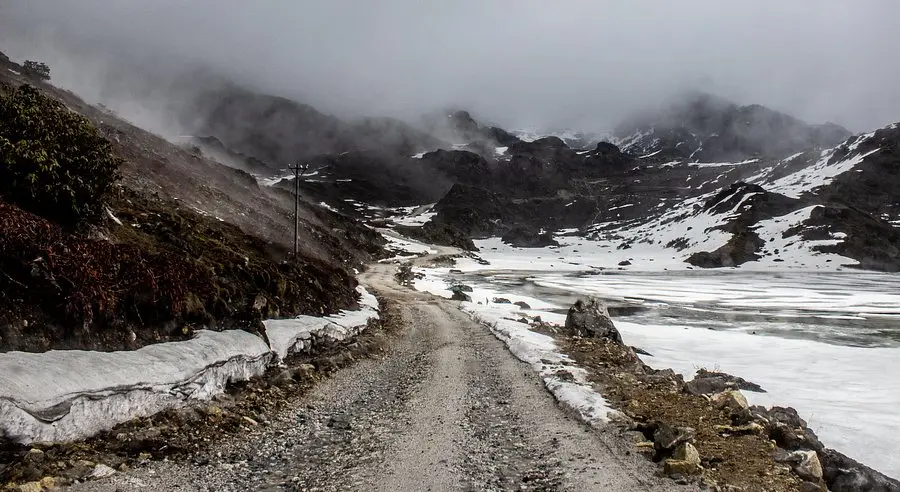
Expect some hard stretches, fast-changing weather, and twisting roads. Start early, dress warmly, and have your permissions in order. Winter may see the Sela Pass closed due to snow, so before setting off, check the latest route & permission limitations.
Having seen the culture, farms, festivals, and paths, it’s time to put it all together and conclude what makes this Himalayan valley so remarkable.
Final Thoughts on Ziro Valley, Arunachal Pradesh and Its Apatani Heritage
Ziro Valley in Arunachal Pradesh is another destination that stays on in memory long after the trip is over. It’s the warm smile of an Apatani elder, the bright green or golden rice fields and the year-round peace of the foggy pine hills. Festivals, villages and peaceful views are to be found throughout the area. It feels at once calm and lively.
It is the warm smile of an Apatani elder, the bright green and gold rice fields and the peace of the foggy pine hills all through the year. Here you will find festivals, villages and peaceful views. It has a calm but bustling feel.
Thanks for completing this guide. We hope this will help you to plan a trip that is special, relaxing and meaningful for you. Picovoyage is happy to help you plan a vacation that fits your hobbies and dates. If you liked it, pass this guide to your friend who loves to visit new places.
Frequently Asked Questions
Where is Ziro Valley located?
Ziro Valley is in the Lower Subansiri district of Arunachal Pradesh, on the Apatani plateau at about 1,500 metres. Hapoli is the main town, and it is the best base for exploring the villages, viewpoints and paddy fields.
Why is Ziro Valley famous?
Ziro Valley is known for its green paddy fields, pine-covered hills and the unique culture of the Apatani tribe. The Apatani grow rice and raise fish in the same fields, without ploughs or machines. This farming system is one reason the valley is on the UNESCO World Heritage tentative list.
What are the best places to visit in Ziro Valley?
For first-timers, the top spots are Siiro and Hong villages, Kile Pakho and Ziro Puto viewpoints, Meghna Cave Temple, Talley Valley Wildlife Sanctuary and Tarin Fish Farm. Together they cover culture, nature and wide views of the valley.
What is the best time to visit Ziro Valley?
It depends on what you want to see. June to August brings bright green fields, September to October brings golden harvest colours, and October to November often brings clearer skies. Weather can change from year to year, so check conditions before you travel.
Do I need a permit to visit Ziro Valley?
Yes. Indian visitors from outside Arunachal Pradesh need an Inner Line Permit, and foreign visitors need a Protected Area Permit. Apply online before your trip and carry printed copies. Rules can change, so confirm them on the official portal.
What is Ziro Valley like in December?
December is calm and peaceful. Nights are very cold, mornings are foggy and afternoons are often bright and sunny. The fields are brown after harvest, but there are fewer tourists. Pack warm layers, as conditions may vary.
Which festivals are celebrated in Ziro Valley?
The main Apatani festivals are Murung in January, Myoko in March and Dree in July. The Ziro Festival of Music is usually held in late September. Dates often shift, so confirm them close to your trip.
How many days are enough for a Ziro Valley itinerary?
Two full days cover the main sights, but three days let you explore at an easy pace. With five days, you can add a village stay, a picnic in the bamboo groves and more time with local families.
What kind of stays are available in Ziro Valley?
You can choose between resorts with views of the fields and Apatani homestays that serve home-cooked meals. Both are mostly around Hapoli and the nearby villages. Availability may change by season, so book early. Picovoyage can also help you plan a stay that fits your dates and interests.
How far is Ziro Valley from Tawang?
The distance is roughly 450 to 500 km, and most travellers split the journey over two days. The usual route goes through Itanagar, Bomdila and the Sela Pass, with Bomdila as a common overnight stop. Snow can affect the Sela Pass in winter, so check the current route and permit rules.
Related Tour Packages

Arunachal Pradesh Tour Package 7 Nights 8 Days
- Hotel Stay
- Sightseeing
- Cab Transfer
- Meals