
By picovoyage · Reviewed 2026-11-12 by Picovoyage
While planning for a Sikkim trip, most people dream about Gangtok or North Sikkim. But there is another side to the state, one that many travelers have not yet seen. The historic trade path between India and Tibet that traverses East Sikkim is known as the Sikkim Silk Route. It's a gorgeous, quiet route with lots of twists, open valleys, and great mountain views.
Here's a guide to the major stops along the journey. You will read about Zuluk and Nathang Valley, the high mountain passes, and the communities in between. If you're looking for places to visit in Sikkim that feel peaceful, comfortable, and different, this path is getting attention for good reason.
What Is the Sikkim Silk Route and Why Is It Famous?
Sikkim Silk Route, It is a scenic road in East Sikkim that traces a segment of an ancient trade route between India and Tibet. It starts from near Rongli and goes up to Nathula via Aritar, Lingtam, Zuluk and Nathang Valley. It’s famous for its winding curves, vast mountain views and quiet villages. This makes it a beautiful Sikkim tourist route for anyone seeking a gentler side of the state.
People often ask, Is this route only for adventure lovers? No, not at all. If you like slow driving, fresh air, and open views, you'll feel perfectly at home. There is something here for families, couples, and photography enthusiasts.
How Did the Old Trade Route Connect Tibet and India?
Once, this route was traveled by mule and yak, carrying wool, salt, silk, and spices-linking Lhasa, Tibet, to Kalimpong, India, over the Jelep La pass. The Silk Route in Sikkim is a small piece of that historic saga.
Long mule trains are not often seen today, yet the history is clear to feel. The narrow mountain routes, the steep Jelep La pass, and the commercial bazaar at Sherathang near Nathula all indicate how bustling this region used to be. Local stories breathe life into that history for each traveler who pauses to listen.
Now that you know how this road started, let us proceed ahead and see why Zuluk is one of the most scenic sites in East Sikkim.
Why Is Zuluk One of the Most Scenic Places in East Sikkim?
Zuluk is a small village on the Sikkim Silk Route, at an altitude of roughly 9,400 feet. It sits high in East Sikkim, and the air is cool, with vistas in all directions. It is a great addition to any Sikkim trip, and here’s why:
- A peaceful place: The community lies surrounded by forested hills, with only a handful of homes and an army presence nearby. It’s laid-back and unpressured.
- Sunrise over Kanchenjunga: On clear mornings, the first light turns the Kanchenjunga range into gold. This is the moment most travelers say they remember best.
- Get away from the crowded towns: Zuluk is a breath of fresh air after the crowds of Gangtok. For those who want to explore some unique and comfortable places to visit in Sikkim, it is a great option.
Reaching Zuluk is not that easy. The road is long and winding, so it is best to start early and have a local driver who knows the way.
What Is the Zuluk Zig Zag Road and Thambi View Point Like?
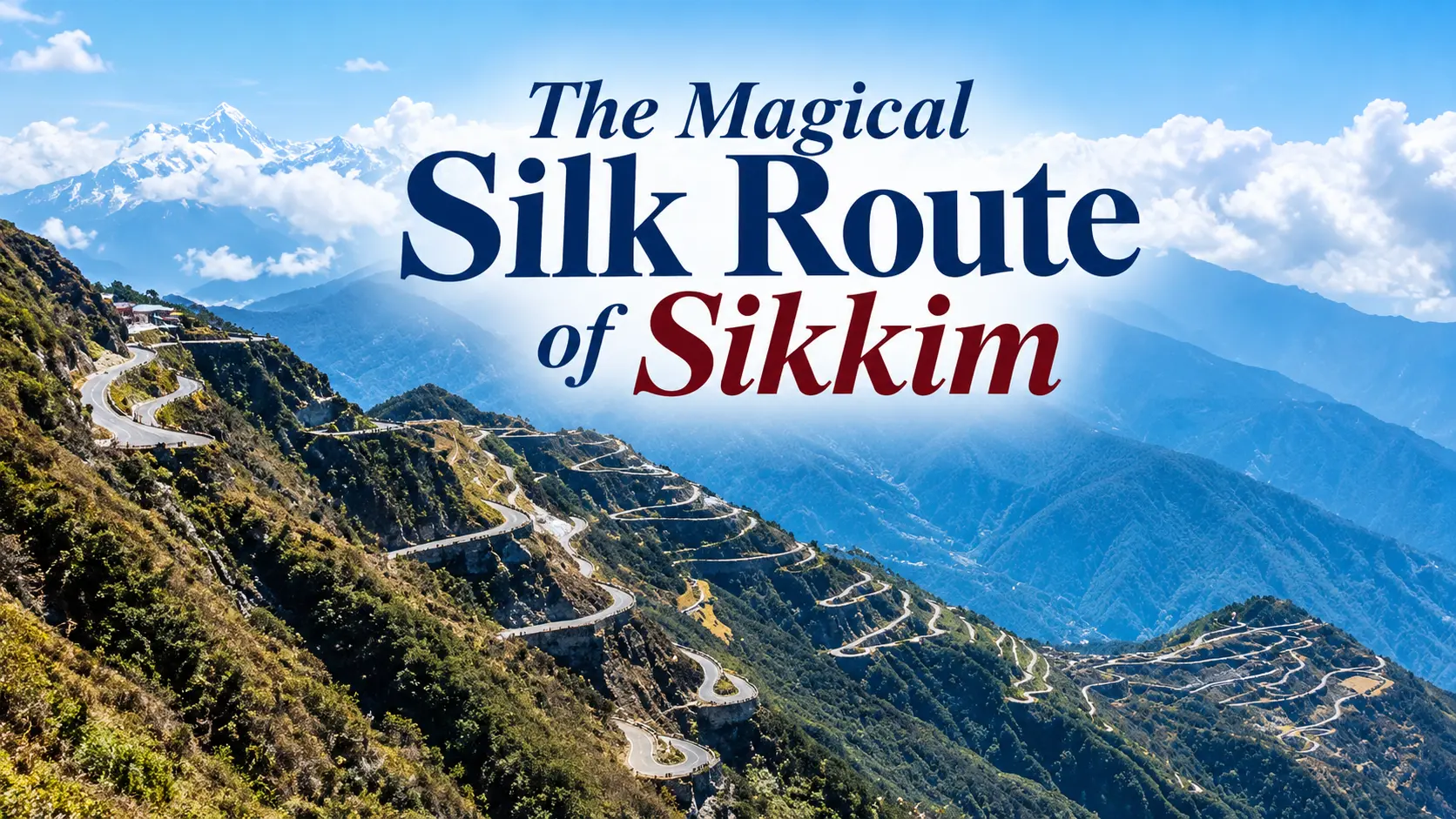
The star of the Silk Route is the Zuluk Zig Zag Road. It winds up the slope in more than 30 tight turns, and from above it resembles a ribbon draped across the mountain.
- Hairpin bends from above: Thambi View Point, at about 11,200 feet, gives the best look at the whole road. Beneath you, clouds glide through the bends.
- Best photo spots: Thambi View Point; get there early for good skies; broader turns along the way for safe photo pauses.
- Driving Tips: Pack warm clothes, bring enough water, and check the weather and road conditions before you start.
Now that we've seen how great Zuluk is, let's see what makes Nathang Valley so great for seeing the Himalayas.
What Makes Nathang Valley Special for Himalayan Views?
Nathang Valley is a large, open, high-altitude area; it is a part of the Sikkim Silk Route. It is approximately 13,000 feet above sea level. Zuluk is set in densely wooded hills with dramatic and wild views. All these features make the valley so different.
- Open meadows and mountain scenery: Yaks graze here and there, and the meadows are lush and beautiful. The sky feels close, and the air is crisp and refreshing.
- Mountains over the years: There is a heavy layer of snow on the valley. In spring, there are bright rhododendrons; in summer, fresh green grass. The season of the Himalayas changes with the passing season.
- Unlike Gangtok and North Sikkim: Gangtok is bustling, North Sikkim has its famous lakes and valleys, but Nathang Valley is more unhurried and peaceful. No huge crowds, just room to breathe and look around.
Is Nathang Valley good for first-time hill travellers? Yes, but it's high altitude. Don't go overboard. If you feel tired, drink plenty of water and rest. The Zuluk Nathang Valley road trip is best savoured at a relaxed pace.
What Can You See Around Nathang Valley and Kupup?
Even on a short break in and around Nathang Valley and Kupup, there is much to be enjoyed.
- Kupup Lake (Elephant Lake): This little lake has the moniker because, from above, it looks a bit like an elephant. It is a beautiful place to stop, located in a peaceful open landscape.
- Nearby villages and army posts: You will pass minor villages and army stations. Be polite, follow local guidelines, and ask before taking photos near any army post.
- Short walks and photo stops: Walk across the meadows at your own pace or stop at bends in the road for panoramic mountain vistas.
After absorbing the open beauty of Nathang Valley, let us see the must-see Silk Route views and passes.
What Is Special About Jelep La Pass and Its High-Altitude Landscape?
The Sikkim Silk Route is dotted with scenic stops, many of them famous destinations in Sikkim for travelers who appreciate mountain roads. Some are tall passes, some are quiet lakes, and some are just easy curves in the road with beautiful views. You don't have to rush through them. If you take it slow and make a few small stops, you can enjoy each place so much more.
- Jelep La Pass: A high pass with a long history of trade and broad open views.
- Kupup Lake: A little lake near Nathang Valley, great for a peaceful stop.
- Key scenic stops along the route: Thambi View Point, Lungthung, and Aritar Lake each show a different side of the Silk Route.
If time is short, which stop should you take? If you have a day, do Thambi View Point and Jelep La for the best variety. The local driver can also advise you on timing and road conditions to keep the trip safe and easy.
How Do You Plan a Sikkim Silk Route Trip From Gangtok or Siliguri?
Planning a trip to the Sikkim Silk Route is easier than it sounds. Most visitors begin their journey from Gangtok or Siliguri, and the road winds gradually up into East Sikkim. With a little planning for time, road conditions, and rest stops, the whole drive goes more smoothly.
- Common Starting Points: The nearest base is Gangtok. If you are coming from Bagdogra Airport or New Jalpaiguri Station, then Siliguri is a good choice.
- How Long It Takes and How Bad the Roads Are: The trip from Gangtok to Zuluk usually takes four to five hours. It will be about 6 to 7 hours from Siliguri to Zuluk. The roads are small and winding, and the weather can change quickly, so start early.
- Recommended trip duration: Minimum two nights, but three for Zuluk, Nathang Valley and the passes at a relaxed pace.
How do you know it is safe to drive? Before you go, ask a local driver or tour operator for updates on the road and weather conditions and to confirm any access rules for passes such as Jelep La.
What Does a 3-Day Silk Route Sikkim Itinerary Look Like?
A 3-day Silk Route Sikkim itinerary would allow you plenty time to experience the vistas without being rushed. Here is a basic plan you can do.
- Day 1: Gangtok/Siliguri to Zuluk. Drive through Rongli and Aritar. Have tea enroute and reach Zuluk around nightfall.
- Day 2: Zuluk to Nathang Valley and Jelep La Pass. See Sunrise and Thambi View Point. Visit Nathang Valley, Kupup Lake and Jelep La Pass.
- Day 3: Return via Aritar or Gangtok. Drive back slowly, and if time permits, stop at Aritar Lake.
When the road plan is set out, it’s time to see what local culture and villages you may encounter along the way.
What Local Culture and Villages Can You Experience Along the Route?
Sikkim Silk Route is more than just the Himalayas. You’ll get a real taste of local culture in the villages, along the way – from warm greetings to simple, delicious meals. Here, taking it slow is just as much about enjoying the people as it is the views.
- These are the two main groups in East Sikkim: the Lepcha and the Bhutia. You will go through villages where the people wear brightly colored traditional clothes, where the festivals are lively and where you are made to feel welcome by their friendliness.
- Food and tea breaks: Small stands along the road serve warm momos, thukpa and tea, which are great for the cold mountain climate. Ask your driver where they like to eat; the locals know best.
- Monasteries & village life: Faith and daily life blend in colourful prayer flags, modest monasteries and quiet country lanes.
While you are there, how to respect local culture? Always ask before photographing people, dress modestly at monasteries and buy small goods from local shops. A little goodwill goes a long way and aids the families living along this Sikkim Silk Route.
Which Offbeat Stops Like Aritar and Lungthung Are Worth a Visit?
If you like quiet places, Aritar and Lungthung are beautiful alternatives on this road. They are also not too crowded, so you can take your time and explore the region at your own pace.
- Aritar Lake and surroundings: A quiet lake, flanked by green hills, provides a tranquil place for a break, a walk or to watch the mist flow by.
- Lungthung Viewpoint: A lovely stop near Zuluk with panoramic views of the hills. It is especially lovely in the gentle light of dawn.
- Why they’re good for slow travel: Fewer tourists mean you can appreciate every sight at your own pace. If you prefer a quiet journey of Sikkim over a noisy one, then these places are great.
Now that we have experienced the culture and uniqueness of this road, let us conclude and see if the Sikkim Silk Route deserves a place in your Sikkim holiday.
Should the Sikkim Silk Route Be Part of Your Sikkim Tour?
The Sikkim Silk Route is a part of the state that many travelers miss. At Zuluk, you get the zigzag road and sunrise views. At Nathang Valley, you get the vast grasslands. You get the quiet silence of the Kupup Lake and the high, windswept Jelep La Pass. Villages full of friendship, local food cooked with love, and tranquil halts like Aritar and Lungthung bring a sense of humanity to the journey. It is history, culture, and Himalayan scenery on one road, all in one.
This path can also be readily fitted into a longer Sikkim tour. Combine it with Gangtok, Tsomgo Lake, or North Sikkim, or maintain it as a peaceful, quirky getaway on its own. For your Sikkim trip, the PicoVoyage team is always ready to help with roads, timing, and local information, so you can sit back and enjoy the experience.
Frequently Asked Questions
What is the Sikkim Silk Route?
The Sikkim Silk Route is a scenic road in East Sikkim that follows part of an old trade path between India and Tibet. It runs from near Rongli through Aritar, Lingtam and Zuluk to Nathang Valley and the Jelep La area.
Where is the Silk Route in Sikkim located?
It lies in East Sikkim, close to the Tibet border. Most travellers reach it from Gangtok or Siliguri, and the road climbs gradually into higher mountain country.
How far is Zuluk from Gangtok and Siliguri?
Gangtok to Zuluk usually takes around 4 to 5 hours by road. From Siliguri, plan for about 6 to 7 hours, since the road is narrow and winding. Travel times can change with weather and road conditions.
How many days do you need for a Sikkim Silk Route trip?
Two nights is the minimum. Three days is more comfortable, as it lets you cover Zuluk, Nathang Valley, Kupup Lake and Jelep La without rushing.
What is the Zuluk zig zag road?
It is a hillside road that twists up the mountain in more than 30 sharp bends. Thambi View Point, at about 11,200 feet, gives the best view of the whole road.
What is Nathang Valley known for?
Nathang Valley sits at around 13,000 feet and is known for its open grasslands and wide Himalayan views. It is quiet and calm, and it changes with the seasons, from snow in winter to fresh green meadows in summer.
What is Jelep La Pass?
Jelep La is a high mountain pass at about 14,000 feet on the India-Tibet border. It was once a key gateway for trade between Sikkim and Tibet. Access can depend on weather and local rules, so confirm with your tour operator before you plan the visit.
Do you need a permit for the Sikkim Silk Route?
Some parts of the route and the high passes usually need permits, and the rules can change. A local tour operator can arrange the paperwork and tell you what is currently required for your group.
How do you handle the high altitude on this route?
Go slowly, drink plenty of water and rest when you feel tired. Carry warm clothes and avoid rushing up to the higher points. If you feel dizzy or unwell, tell your driver and move to a lower altitude.
What local food and experiences can you enjoy on the route?
You can try hot momos, thukpa and tea at small roadside stops. The villages also let you see Lepcha and Bhutia culture, colourful prayer flags and quiet monasteries. Always ask before photographing people.
Related Tour Packages
Sikkim Darjeeling Tour Package – 10 Nights 11 Days
- Hotel Stay
- Sightseeing
- Cab Transfer
- Meals
Sikkim Darjeeling Tour Package – 6 Nights 7 Days
- Hotel Stay
- Sightseeing
- Cab Transfer
- Meals