
By picovoyage · Reviewed 2026-11-17 by Picovoyage
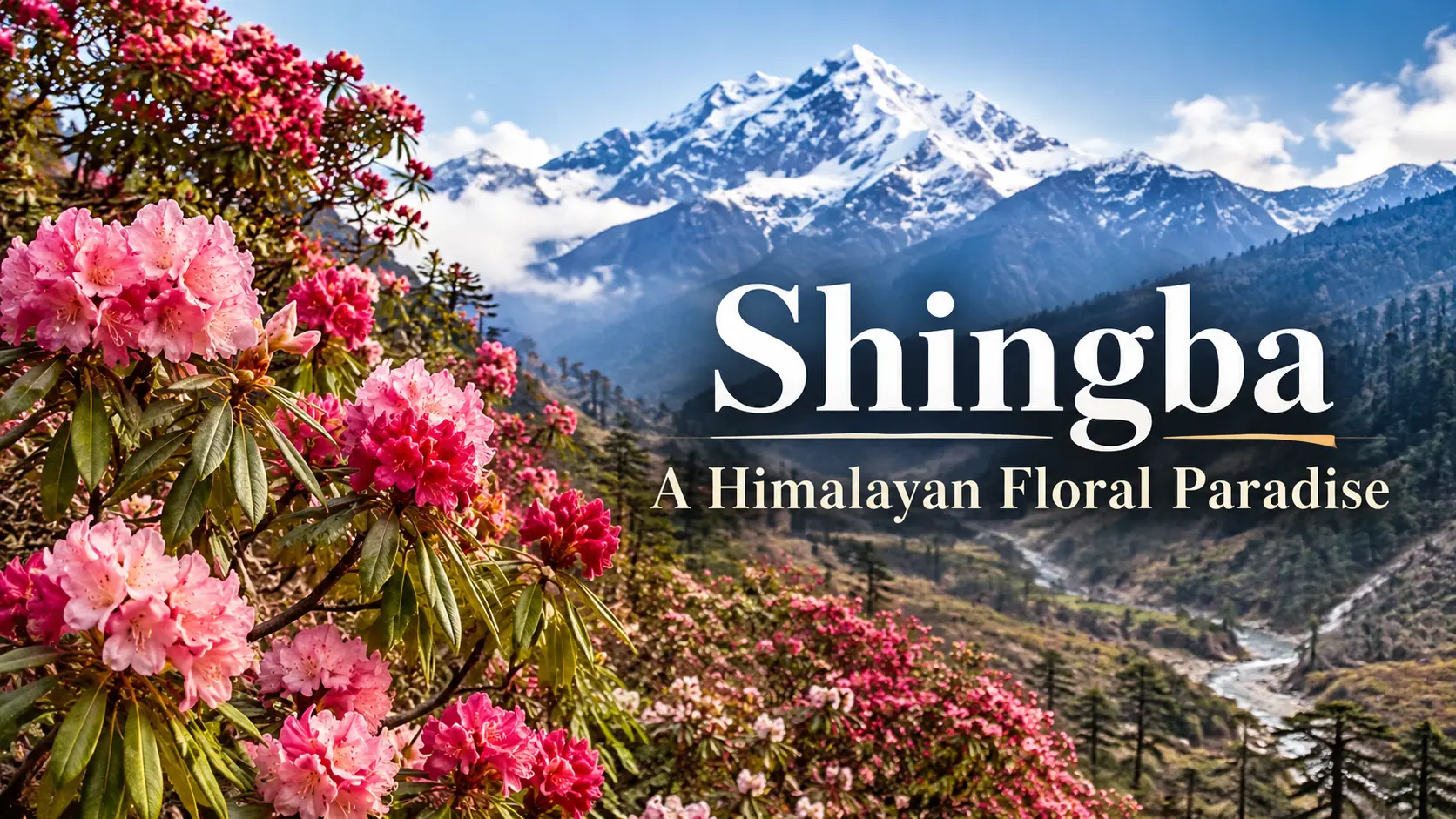
The Shingba Rhododendron Sanctuary in Sikkim is a region where the hills of North Sikkim erupt in red, pink, and purple in spring. It lies within the Yumthang Valley, near Lachung, and is home to more than two dozen rhododendron varieties as you walk past them, with snow-capped peaks standing tall behind. Some travelers also call it Singba Rhododendron Sanctuary, but it is the same beautiful site.
We keep it easy in this guide. You will learn about the rhododendron species growing here, when the ideal time to visit is for blooms, how to access the sanctuary from Gangtok, and what permits you need. We also compare it with Barsey Rhododendron Sanctuary in West Sikkim. So, you can select the trip that suits you.
Why Shingba Is North Sikkim’s Hidden Botanical Treasure
When people think of Sikkim, they think of monasteries, tea gardens, and mountain views. But up north, there's a tranquil area flower lovers won't want to miss. Shingba Rhododendron Sanctuary is a protected forest of wild mountain rhododendrons, a hidden botanical treasure of North Sikkim. If you have been looking for a Rhododendron Sanctuary in Sikkim that travelers are still talking about, here it is. Spring brings vibrant color to the hills; birds fill the trees, and the cold mountain air makes every walk a pleasure.
Where Is Shingba Rhododendron Sanctuary Located?
Shingba Rhododendron Sanctuary lies in North Sikkim in the Yumthang Valley north of Lachung. It is about 25 km from Lachung, and most visitors come on a day trip from the little settlement, traveling along a road lined with pine and fir. The sanctuary was founded in 1984 and comprises 43 sq km (4,300hectares). That is a lot of forest to save, and you feel it in the greenery and the pristine nature of everything.
The ground rises here from 3,048 to 4,575 meters above sea level; thus, the air stays cold and thin even in spring. The slopes are covered with a dense forest of fir and rhododendron trees, while below in the valley, the Yumthang Chhu River flows. Look up, and you’ll see snow peaks rising behind the trees. It’s that combination of flowers, running river, and snowy mountains that makes the Yumthang Valley rhododendron views so spectacular, and why photographers keep returning.
Now that you know where it is, let’s meet the rhododendron species in Sikkim you may see in Shingba.
Which Rhododendron Species in Sikkim Can You Spot at Shingba?
People hearing about the Sikkim rhododendron species expect to see a few flowers scattered here and there. Shingba is the opposite. Some reports indicate there are more than 40. About two dozen species have been recorded in this sanctuary. But whatever figure you choose, here the rhododendrons of Sikkim put on a show that is not soon forgotten.
How Do You Identify a Rhododendron Flower in Sikkim by Colour and Height?
The simplest method to recognize one rhododendron flower from another in Sikkim is to look at its color and height. Here’s what to look for at Shingba:
- Colors you will see: Red, pink, purple, and white blossoms carpet much of the slopes, so you will not be starved for something to photograph.
- Tall tree types grow lower down: These big, leafy rhododendrons are the first to flower, usually from late March.
- Smaller alpine types grow higher up: As you climb, the plants stay close to the ground. They open later and close around mid-May, so one trip can show blooms at different stages.
- Rhododendron niveum: Watch out for this, Sikkim’s state tree and one of the sanctuary’s stars.
- Birds that come with the bloom: The fire-tailed sunbird flits between the flowers, the blood pheasant walks silently on the forest floor, and the rare wood snipe is occasionally visible.
- Simple tip: take small binoculars and go slowly. Stop to look, and you will notice considerably more.
Now that you can differentiate between the blossoms, let’s see when the rhododendrons of Sikkim bloom at Shingba.
When Do the Rhododendrons of Sikkim Bloom at Shingba?
Timing is everything when planning a floral journey. Not all the Sikkim rhododendrons flower on the same day, so if you go too early or too late, you’ll see more green leaves than color. The good news is that the Shingba Rhododendron Sanctuary in Sikkim has a predictable bloom pattern so that a little planning can go a long way.
Is Mid-April or Early May Better for Peak Bloom?
The towering tree rhododendrons start to bloom in late March. The best time to travel is April 15 to May 5, when most species bloom together, and the hillsides are most vivid. By mid-May, the lower alpine species will begin to taper off, so there will still be color, just in smaller amounts. For the best of the show, choose the last days of April. Mid-April is colder and quieter. Early May brings milder days and the end of the big blooms.
Weather is important, too. It can be cool in the morning, and it can snow in April and even early May at this altitude, so wear warm clothing. Skip August and September. The rains during these months are heavy and can trigger landslides, making the trip to Yumthang challenging. Travel is sluggish and dangerous. Spring is a much better and safer time to visit the rhododendrons of Yumthang Valley.
Once you have confirmed your dates, this is how you may reach Shingba Rhododendron Sanctuary from Gangtok.
How to Reach Shingba Rhododendron Sanctuary from Gangtok
The road to Shingba Rhododendron Sanctuary starts in Gangtok and travels north through some of Sikkim's most beautiful alpine landscapes. Most travelers take a taxi or join a tour, drive up to Lachung, and visit the refuge the next morning. Some people also refer to it as the Singba Rhododendron Sanctuary, although the route is the same.
What Permits and Fees Should You Sort Out Before the Yumthang Valley Rhododendron Trip?
Some rules say you cannot just drive in the Yumthang Valley. Indian citizens need a Protected Area Permit, which can be obtained from a registered travel company in Gangtok. Have your ID and a few passport-sized photos ready to give to your agent at least one day before you leave. Foreigners must obtain a Restricted Area Permit. You need at least two people to begin with. A Restricted Area Permit must be arranged through an accredited agency. Skip the hassle and book with a reputable local company and let them do all the work.
There may be a small fee to enter the sanctuary, but different sources list different amounts, so check before you go. One more thing: don't try to rush the whole trip in one day. The best time to visit the sanctuary is early in the morning, when it's quiet and the air is clear. Spend the night in Lachung. While you are in Yumthang Valley, you will enjoy your time there more if you are not rushed and are not keeping an eye on the time.
We will now compare Yumthang and Barsey to see which is the better rhododendron sanctuary for you.
Yumthang or Barsey: Which Rhododendron Sanctuary Suits You?
Sikkim is home to two famous rhododendron sanctuaries. They are both lovely in spring. If you love easy road trips with views of snow, Yumthang Valley rhododendron views in the north are a perfect option. More like a peaceful jungle walk? The Sikkim Barsey Rhododendron Sanctuary in the west could be a better bet. How much you like walking and which part of Sikkim you want to see will determine your choice.
What Makes Barsey Rhododendron Sanctuary Sikkim Different?
The Barsey Rhododendron Sanctuary is situated near the Singalila Range in West Sikkim. It's more like a forest trail than a roadside rest stop. It is like Shingba in the following way:
- Size and height: Barsey covers about 104 sq km and varies in height from 2,200 to 4,100 meters. Since 1996, it has been a safe place.
- Getting there: Enter at Hilley and walk along a rhododendron-lined path for about 4 km to Barsey. Or you can drive to Shingba.
- Bloom season: At Barsey, the flowers open a little earlier than at Shingba, from March to May. That makes it a good choice for those who want to be the first to catch the bloom.
- How difficult it is: Barsey is a gentle hike; Shingba is easier and better for families and older travelers.
- Wildlife and views: The red panda resides in this forest, and the Kanchenjunga can be viewed from the trail.
These useful rhododendron sanctuary tips in Sikkim will help you to have a great trip no matter which sanctuary you choose.
Smart Tips for Visiting a Rhododendron Sanctuary in Sikkim
Visiting a Rhododendron Sanctuary in Sikkim is not just a regular sightseeing trip. You will be high in the cold air, and the weather can change at any time while you walk. Planning can make or break your day and it lets you enjoy every Sikkim rhododendron flower without worrying about the small things.
What Should You Pack for a High-Altitude Flower Trip?
Shingba and Barsey are also cold in the morning, even in spring, so bring warm clothing. It can snow in April, so wear a warm jacket, gloves, and beanie. Bring a light rain jacket in case it starts raining fast. Bring good shoes with a good grip, because the paths in the forest can be wet and slippery. It's very hot up here, so bring water, snacks, and sunglasses.
Take it easy on yourself, hydrate, and rest when your body tells you to. Some people may feel tired or dizzy when at high altitudes. If you get a headache that won’t go away, tell your guide and lie down. The best time to start is early in the morning when the light is soft, and the air is clear. The main thing is to keep to the paths and not touch the flowers or plants. Each flower you leave is one more for the next traveler to enjoy. The refuge is safe.
Now that you have your bags packed and your plans made, let’s finish this guide.
Conclusion
Flower fields, forests, and snow-capped peaks all come together in the Shingba Rhododendron Sanctuary, Sikkim. The best time to visit is between mid-April and early May. If you'd rather take a peaceful walk in the woods, the Barsey Rhododendron Sanctuary in West Sikkim is a great choice. Getting the right permits and going at the right time make the trip easy.
PicoVoyage can take care of everything. We already have planned trips to Lachung and Yumthang Valley in our North Sikkim packages. You can also visit our Plan My Trip page and tell us your travel dates. You only need to enjoy the flowers; we'll take care of your permits, where to stay, and how to get around.
Frequently Asked Questions
Where is Shingba Rhododendron Sanctuary located?
Shingba Rhododendron Sanctuary is in Yumthang Valley, North Sikkim, about 25 km north of Lachung. It was set up in 1984 and covers about 43 sq km (4,300 hectares).
Is Singba Rhododendron Sanctuary the same as Shingba?
Yes. “Singba” is a common spelling variant, and both names refer to the same sanctuary in Yumthang Valley.
When is the best time to see rhododendron flowers in Sikkim at Shingba?
The best window is 15 April to 5 May, when most species bloom together. Tree rhododendrons start in late March, and the smaller alpine species finish around mid-May.
How many rhododendron species are there at Shingba?
About two dozen species have been recorded, though some sources say the number goes past 40. Either way, the rhododendrons of Sikkim put on a big show here.
What colours of rhododendron can you see at Shingba?
Mostly red, pink, purple and white. Taller tree types grow lower down and flower first, while smaller alpine types grow higher up and open later.
How do you reach Shingba Rhododendron Sanctuary from Gangtok?
Hire a taxi or join a tour from Gangtok to Lachung, then visit the sanctuary the next morning. Staying a night in Lachung lets you reach it early, when the air is clear and crowds are small.
Do you need a permit to visit Shingba Rhododendron Sanctuary?
Yes. Indian nationals need a Protected Area Permit through a registered Gangtok travel agent. Foreign nationals need a Restricted Area Permit through a registered agency, in a group of at least two. A local operator can handle both.
Is there an entry fee for the sanctuary?
A small fee may apply, but sources give different amounts. Confirm the current fee locally or with your tour operator before you travel.
What is the difference between Shingba and Barsey Rhododendron Sanctuary?
Shingba is in North Sikkim and is reached by road, which suits families and older travellers. Barsey Rhododendron Sanctuary is in West Sikkim, covers about 104 sq km, and needs a 4 km walk from Hilley. Its bloom runs March to May.
What should you pack for a rhododendron sanctuary trip in Sikkim?
Pack warm layers, gloves, a woolly cap, a light rain jacket, grippy shoes, water, snacks and sunglasses. Snow can still fall in April, so go prepared. Walk slowly, rest when needed, and avoid touching the flowers or plants.
Related Tour Packages
Sikkim Darjeeling Tour Package – 10 Nights 11 Days
- Hotel Stay
- Sightseeing
- Cab Transfer
- Meals
Sikkim Darjeeling Tour Package – 6 Nights 7 Days
- Hotel Stay
- Sightseeing
- Cab Transfer
- Meals