By picovoyage · Reviewed 2026-11-05 by Picovoyage
Why Is Kaziranga National Park Famous for Its One-Horned Rhinoceros?
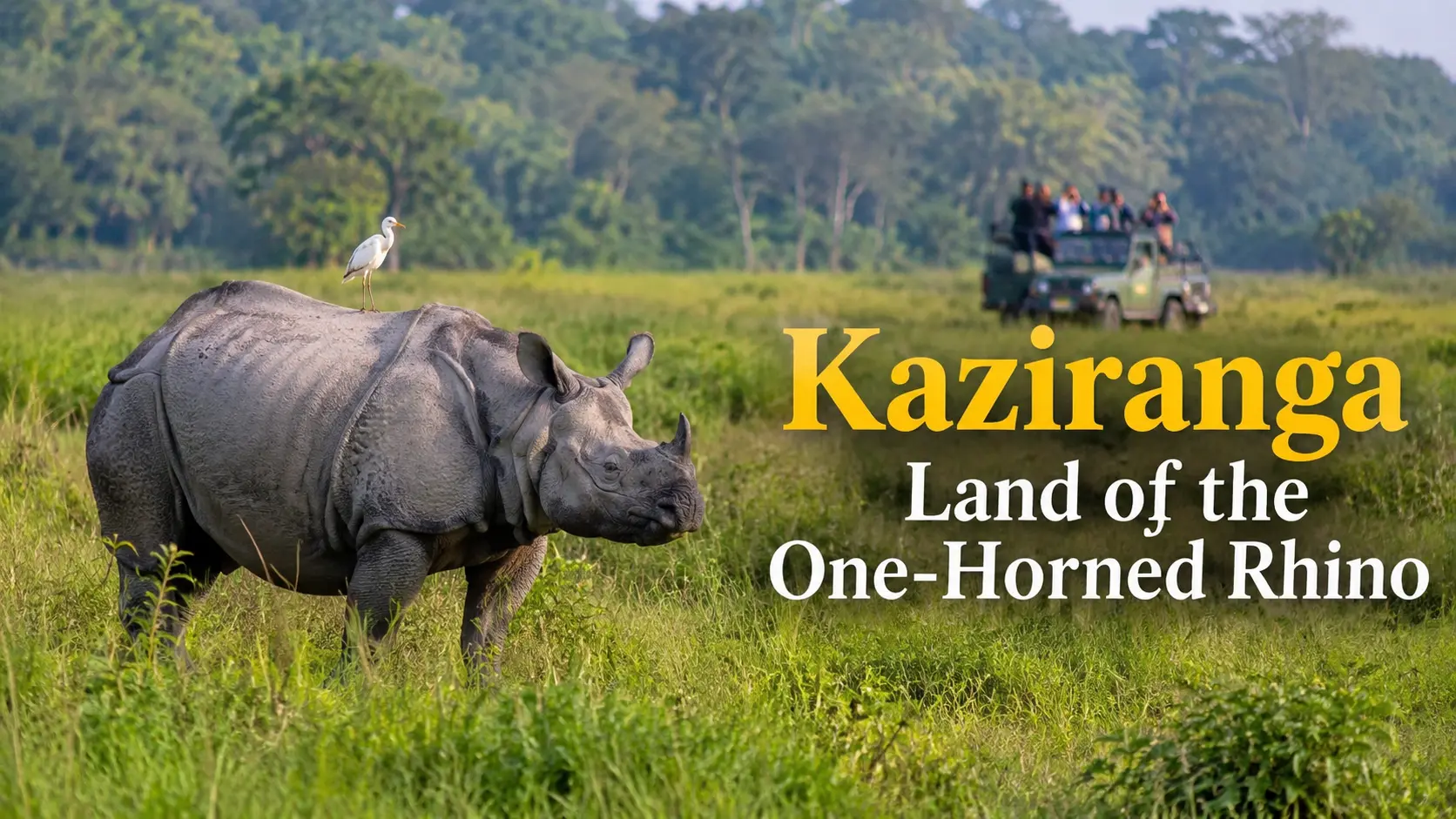
Kaziranga National Park (Assam) is famous for one thing: it has the largest population of one-horned rhinoceros in the world. You can see them walking or driving in Kaziranga Park, Assam. The big animals need food, water, and space to live safely, and the grasslands, the wet, soggy wetlands, and Brahmaputra floodplains provide just that.
How Did Kaziranga Save the Greater One-Horned Rhino from Extinction?
Rhinos may be the greatest stars here, but tigers, elephants and hundreds of birds are also waiting to be discovered amid the fauna of Kaziranga National Park.
Wildlife You Can Discover in Kaziranga National Park
Kaziranga Park Assam is not only the home of the Rhinos. As you begin to explore the biodiversity of Kaziranga National Park, you will discover a new world of species living nearby. Royal Bengal tigers stalk silently through the long grass, and wild elephants migrate in family groups near the pond. Herds of wild water buffalo wallow in the swamps, while shy swamp deer graze on the open meadows. Add thousands of birds, many of them migratory visitors from far-off regions, and it's not hard to see why nature lovers keep coming back.
Which Animals and Birds Can You Spot on a Wildlife Trip Here?
So what species can you see on a nature trip here? What animals and birds? Start with the big ones. The most visible is the single-horned rhino, typically seen grazing near water. Wild elephants and wild buffalo are also common, and with a bit of luck you can see a tiger crossing the track. Tigers are scarce; therefore, be lucky every time you see one.
Best Safari Experiences in Kaziranga
Kaziranga's best safaris offer varied ways to see wildlife, and each one is unique. The Kaziranga safari is the heart of Kaziranga tourism, and most guests choose one of two options. The jeep safari is the most popular, covers the most ground, and is great for families and groups. The elephant safari is early morning and brings you closer to the grasslands, but the slots are fewer and are usually confirmed a day before. Most visitors to Assam Kaziranga try to do both, if possible.
How Does a Jeep Safari Work and How Can You Book It?
So how does a jeep safari work? How can I make a reservation? It’s easier than most people realize. You are in an open jeep with a driver and a forest guide who knows where the animals like to rest and feed. Safaris are usually offered in two time periods - a morning slot between 7 am and 10 am and an afternoon slot between 1.30 pm and 3 pm. Times vary by season; please confirm ahead of time.
Travel light, travel easy:
A valid photo ID (international visitors require their passport)
Camera, binoculars if you have them
Light, dull colored clothing, as bright colors may disturb the animals
No plastics are allowed in the park, so bring a reusable bottle. With a bit of planning, it is easy to visit Kaziranga National Park, Assam and enjoy every minute of your Kaziranga safari.
With the knowledge of how a safari works, it’s time to decide where you want to go. So, let’s check out the popular safari zones of Kaziranga National Park.
Popular Safari Zones in Kaziranga National Park
There are many safari zones in Kaziranga National Park. There is a feeling, a beauty, to every zone. There are two names often heard of: Kaziranga Kohora and Bagori Kaziranga. Most of the tourists disembark at Kohora, the middle of the park. Bagori is in the west and has big grasslands. If you want to avoid crowds, the eastern hilly areas are quieter.
Which Safari Zone Is Best for Rhino Sightings and Birdwatching?
The best safari zone for observing rhinos and birds depends on your specific interests for the trip. Here is a straightforward guide.
Kohora (Central): The most popular zone and the easiest to reach. Ideal for first-time visitors and families seeking an easy, uncomplicated safari.
Bagori (Western): Known for good rhino sightings and lively birdlife. Many wildlife lovers like Bagori Kaziranga for its extensive vistas and tranquil marshes.
Agoratoli (Eastern) and Burapahar: These are the quieter zones with an eccentric vibe. They are for tourists who want peace and don't mind a longer ride.
Animals move around freely, so don’t judge a zone by one visit; sightings are never certain. If you have time, try visiting two separate zones to see more of the park. Most visitors who spend several days in Kaziranga National Park, Assam, combine Kohora with Bagori for the best balance of easy access and untamed beauty. This is a major reason Kaziranga tourism grows every year.
After a day of exploring the wilderness, you’ll want to find a comfy spot to lay your head. Let’s look at where you can stay for the ideal Kaziranga experience.
Where Can You Stay for the Best Kaziranga Experience?
Your trip to Kaziranga National Park can make or break depending on where you stay. Most hotels, lodges and homestays are located close to the park entrances, and this is more important than you might think. The safari slots are early in the morning, so the faster you can get to the gate the more sleep you get, the less hassle. Mostly, the Guwahati Kaziranga National Park tours start with a city stay and then a jungle stay and some people prefer to rest first in the city. Good Stays in Kaziranga Tourism All guests support local guides and their families.
Are Jungle Lodges or Kohora Resorts Better for Wildlife Lovers?
So who wins the battle of the jungle lodges or Kohora resorts for nature lovers? Both are great and really depend on what kind of traveler you are.
Kohora resorts: These are easily accessible and offer added comfort, such as restaurants and larger accommodations. They also cover a wide range of budgets, which is good for families and groups.
What Unique Memories Will Visitors Take Home from Assam?
What special memories will visitors carry back from Assam? Ask ten travelers, and you'll receive ten different stories; however, certain experiences frequently emerge as highlights.
Rhino Sighting: It's unforgettable to see a massive rhino grazing peacefully just a short distance from your jeep.
Ready to Plan Your Kaziranga Wildlife Adventure?
Kaziranga National Park stays in your heart long after the vacation ends. You may come for the one-horned rhino, but you will leave with so much more: tranquil meadows, thrilling safari rides, kind local hosts, and comfortable lodging close to nature. Every safari zone has its own surprise. Each early morning is a new story waiting to start.
If you're ready to visit Kaziranga National Park, Assam, start planning: choose your safari area, arrange accommodation in advance, and travel light. Keep browsing Picovoyage for more simple travel ideas and helpful recommendations on Assam and Northeast India. Your adventurous experience is a choice away.
Frequently Asked Questions
Why is Kaziranga National Park famous?
Kaziranga National Park in Assam is famous for having the largest population of one-horned rhinos in the world. It is also a UNESCO World Heritage Site, and it is home to tigers, elephants, wild buffalo, and many birds.
How many one-horned rhinos live in Kaziranga?
The latest official census, held in March 2022, counted 2,613 rhinos. That is about 200 more than in 2018. Check the forest department’s website for any newer count.
What animals and birds can I see in Kaziranga?
You can see rhinos, elephants, wild water buffalo, and swamp deer quite often. Tigers are rare to spot, so a sighting is a bonus. Birdlife includes hornbills, pelicans, the rare Bengal florican, and many migratory birds.
What types of safari are available in Kaziranga?
The two main options are the jeep safari and the elephant safari. The jeep safari is more popular because it covers more ground and suits families and groups. The elephant safari runs in the early morning and gets you closer to the grasslands.
What are the jeep safari timings?
Jeep safaris usually run in two slots, from about 7 AM to 10 AM and from about 1:30 PM to 3 PM. Timings can change with the season, so confirm them before you go.
How can I book a Kaziranga safari?
You can book on the official booking portal, at the tourist office near the safari gates, or through your hotel. The booking usually covers the entry permit, the jeep, and a guide. Fees change from time to time, so check the latest rates on the official site.
Which Kaziranga safari zone is best?
It depends on your interests: Kohora (Central): the most popular and easiest to reach, ideal for first-timers and families Bagori (Western): known for rhino sightings and birdlife Agoratoli (Eastern) and Burapahar: quieter and more offbeat Many visitors combine Kohora and Bagori for the best mix.
How far is Kaziranga from Guwahati?
Guwahati Kaziranga is the route most travelers take, and the park is a few hours away by road. It usually takes about 4 to 5 hours, depending on traffic and your route. Many people rest a night in Guwahati before heading to the park.
Where should I stay near Kaziranga National Park?
Choose a stay close to the park gates, since safari slots start early. Jungle lodges are peaceful and close to nature. Kohora resorts offer more comforts and a wider budget range. Book early, as good rooms fill up fast.
What should I carry on a Kaziranga safari?
Carry a valid photo ID (foreign visitors need their passport), a camera, and binoculars if you have them. Wear light, dull-colored clothes, since bright colors can disturb animals. Plastic is not allowed inside the park, so bring a reusable bottle.
Related Tour Packages
Assam Kaziranga Meghalaya Tour Package – 6 Nights 7 Days
- Hotel Stay
- Sightseeing
- Cab Transfer
- Meals