
By picovoyage · Reviewed 2026-10-13 by Picovoyage
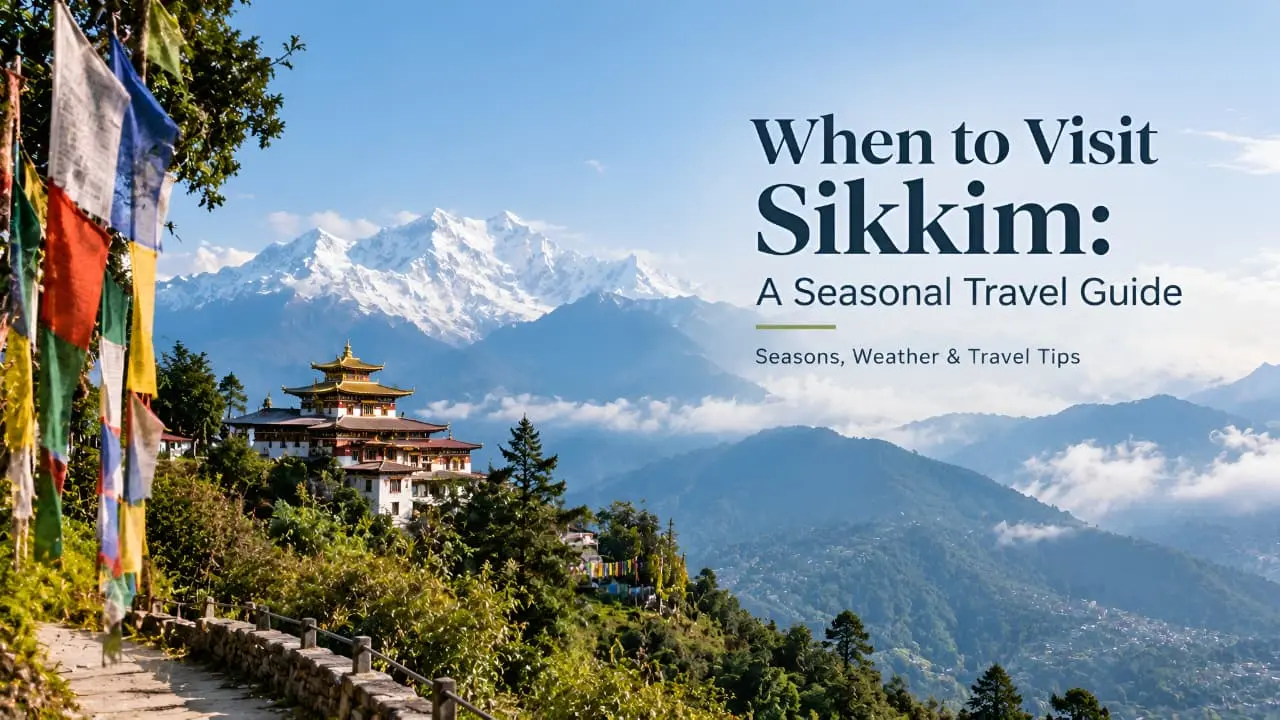
The time you choose to visit Sikkim will determine the success or failure of your overall travel experience. Think about waking up to the golden rays of Kanchenjunga, stepping through peaceful and serene monasteries covered with colorful prayer flags, or gazing at misty clouds floating over lush valleys. The time of your visit to Sikkim is as important as the places you visit, as the beauty of the place changes with the seasons.
In spring, the hills are ablaze with bright rhododendron blooms. The snow-capped Himalayas are a sight to behold in the fall. In winter, North Sikkim is covered in fresh snow. Each season has its own weather, crowds, and travel issues. This guide gives you a monthly weather forecast, some of the seasonal attractions, the travel costs, and some useful tips so that you can decide when to visit Sikkim as per your preferences and travel plans.
What Is the Best Time to Visit Sikkim?
- If you are planning a trip to Sikkim, the first question is always the same: when should I go? The best time to visit Sikkim depends on your interests. Some people dream of flowers of many colors. Some want snow beneath their boots or a clear view of Mount Kanchenjunga with their morning tea.
The most popular months are March to May and October to mid-December. The weather is good, the roads are easier, and the views are beautiful. But every season in Sikkim has its own charm, so let’s break it down.
- Here's the short version:
Best time for flowers and sightseeing is March to May.
October to mid-December for clear mountain views.
The best time to see snow is December–February.
June to September is monsoon season, which increases landslide risk.
Best Time to Visit Sikkim by Travel Goal
People are not all traveling for the same reasons. A honeymoon couple, holidaying family, and a trekking high trails chaser will pick different months. So instead of asking “which is the best month to visit Sikkim?”, think about “what do I want from this trip?”
Select the right time for your travel goal with the table below.
Travel Goal | Best Months | Why |
Flowers and rhododendrons | April to May | Valleys like Yumthang bloom with bright colours, and the weather is mild. |
Clear mountain views | October to mid-December | Skies are cleaner after the rains, so Kanchenjunga looks sharp and close. |
Snowfall in Sikkim | December to February | High spots like Tsomgo Lake, Lachung and Yumthang often get snow. |
Easy sightseeing with family | March to May and October to November | Days are comfortable, and roads are generally smoother. |
Honeymoon trip | March to May and October to December | Pleasant weather, scenic views and cosy evenings. |
Trekking and adventure | April to May and October to November | Trails are clearer, and the sky is usually bright. |
Green views and waterfalls | June to September | Hills turn lush, but heavy rain can block roads, so travel with care. |
As you can see, there is no such thing as a "perfect" month. Choose the one that suits your dream trip, and you will have a lot more fun in Sikkim. Tip: Book your stay and permits early for April, May, and October. They are the busiest months.
Sikkim Climate at a Glance
Sikkim enjoys a wide climatic range, from warm valleys to icy mountain peaks. Gangtok can be mild, and North Sikkim freezing on the same day. Here is a simple view of the climate in Sikkim throughout the year:
Spring (March to May): Beautiful and colorful. It is comfortable to sightsee, and flowers are blooming.
Monsoon (June to September): Heavy rain, misty hills and increased possibility of landslides. If you are traveling now, plan well.
Autumn (October to mid-December): Cool, crisp and clear. This is the season the photographers like best.
Winter (Dec to Feb): Cold, snowy in higher regions. Pack warm clothes. And be flexible with your plans.
Make sure you check the roads and the weather before you go. Things can change quickly in the hills.
What Is the Weather Like in Sikkim Throughout the Year?
Ask ten travelers about the weather in Sikkim, and you’ll get ten different stories. Gangtok's golden sunshine will be discussed. Another will remember the thick mist and cold winds at Lachung. Both are being truthful. Weather in Sikkim changes from town to town and even from morning to evening as the state rises from warm green valleys to snow-covered peaks.

Here are four points to remember before planning your trip to Sikkim:
Temperature changes rapidly with height. The higher you go, the colder it is.
North Sikkim is much colder than Gangtok. Bring plenty of warm layers even in the sunny months.
Mornings are usually clearer than afternoons. Clouds and fog are often late in the day.
Before going out into high-altitude areas, check forecasts. Hill weather can change fast.
Sikkim changes its mood every month: snowy winters, flowery springs, green monsoons, and crisp autumns. Here is the weather, month by month. Temperatures are approximate for Gangtok. Higher places like Lachung and Yumthang will be colder.
Month | Avg Temp (°C) | Rainfall | Conditions | Travel Suitability |
January | 4 to 14 | Low | Cold, dry, snow in high areas | Good for snow lovers |
February | 5 to 15 | Low | Cold mornings, light snow up north | Good for snow and quiet trips |
March | 8 to 19 | Low to moderate | Pleasant, flowers begin to bloom | Very good |
April | 11 to 22 | Moderate | Mild and colourful | Excellent |
May | 14 to 24 | Moderate | Warm days, some evening showers | Excellent |
June | 16 to 25 | Very high | Heavy rain, mist, landslide risk | Travel with care |
July | 17 to 25 | Very high | Rainy and very green | Not ideal for long drives |
August | 17 to 25 | Very high | Rainy, waterfalls at their best | Not ideal for long drives |
September | 16 to 24 | High | Rain slowly reduces | Fair, check road updates |
October | 12 to 22 | Low | Clear skies, sharp mountain views | Excellent |
November | 8 to 19 | Low | Cool, crisp and bright | Excellent |
December | 5 to 15 | Low | Cold, early snow in high areas | Good, pack warm clothes |
Best time to visit: March to May and October to November for pleasant weather. If you want snow, then go in winter, and for rain and greenery, go for monsoon with a flexible plan.
Sikkim Weather by Region (Gangtok, Pelling, Lachung, Yuksom)
Sikkim is not one weather zone, so each town has a different feel. What to expect in the most popular places:
Gangtok (approx. 1,650 m): Pleasant most of the year with steady rain in monsoon. A good base for the first-time visitor.
Pelling (about 2,000 m): Cooler than Gangtok. Famous for its views of the Kanchenjunga sunrise on clear mornings in autumn and early winter.
Lachung (around 2,700 m): Much colder, even in spring. Winters are cold, with snow and freezing nights, so you’ll want to wear warm clothes.
Yuksom (around 1,780 m): Quiet green village and the starting point for many treks. Pleasant during spring and autumn, wet during monsoon.
Now that you know the feel of Sikkim through the year, let us find the best season for your trip.
Which Season Is Best for a Sikkim Trip?
Each season in Sikkim has its own flavor. Spring is like a painting, autumn is like a postcard, winter is like a fairy tale, monsoon is like a quiet green hug. So, what’s the best season for a Sikkim trip? The truth is that the answer is conditioned by the type of traveler you are and what you want to see, to feel, and to enjoy.
Here is the short story:
Spring means rhododendron blooms and milder weather.
Best visibility and post-monsoon lush greenery in autumn.
Winter has snow and road closures in some places.
Monsoon is cheaper but has a higher risk of landslides.
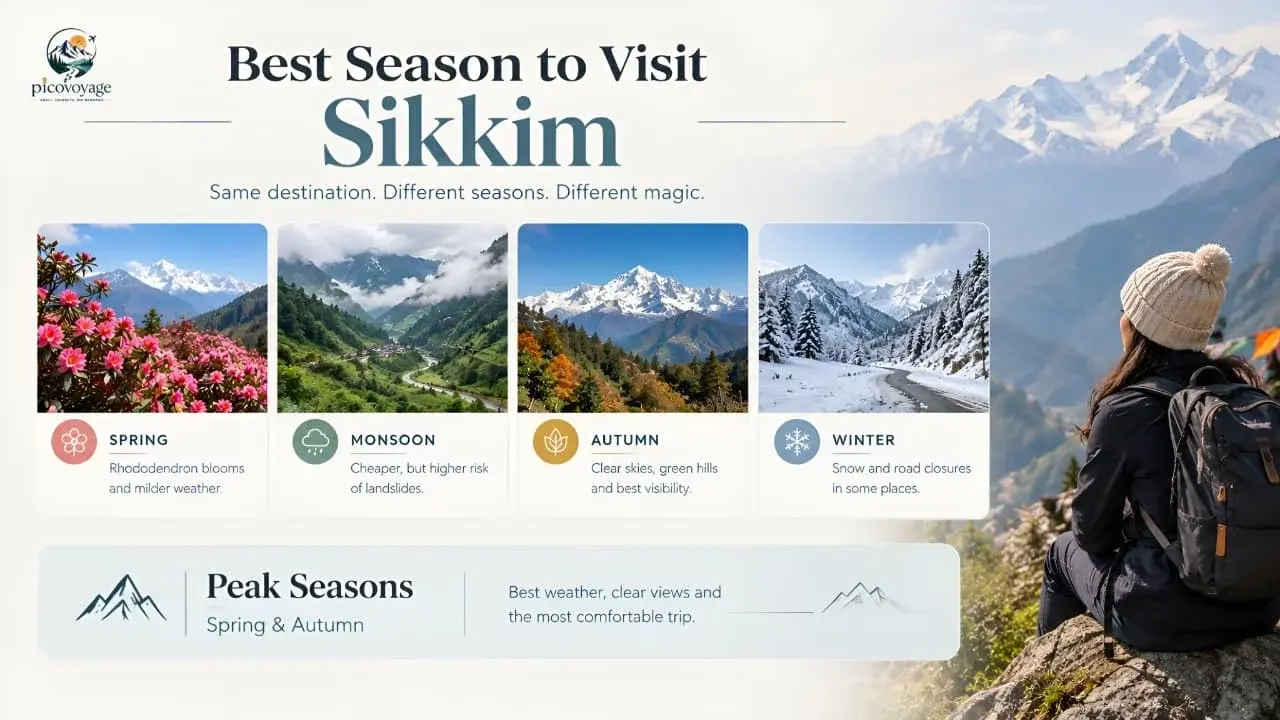
Spring and autumn are the peak travel seasons in Sikkim for the easiest and most comfortable trip, and for good reason.
Spring (March to May) is the season of color. The rhododendrons are blooming on the hills, the air is fresh, and the days are temperate. It is ideal for sightseeing in Gangtok, a flower trip to Yumthang Valley, or an easy family holiday.
Autumn (October to mid-December): Clear skies are typical of autumn. After the monsoon rains wash the hills, everything looks green and clear. Best time for Kanchenjunga views, photography and trekking.
The only disadvantage is the crowd. Hotels fill up quickly, and prices rise, so book your stay and permits early.
Winter and Monsoon: Pros and Cons
The quieter seasons are winter and monsoon. They're not for everybody, but each has its own charm.
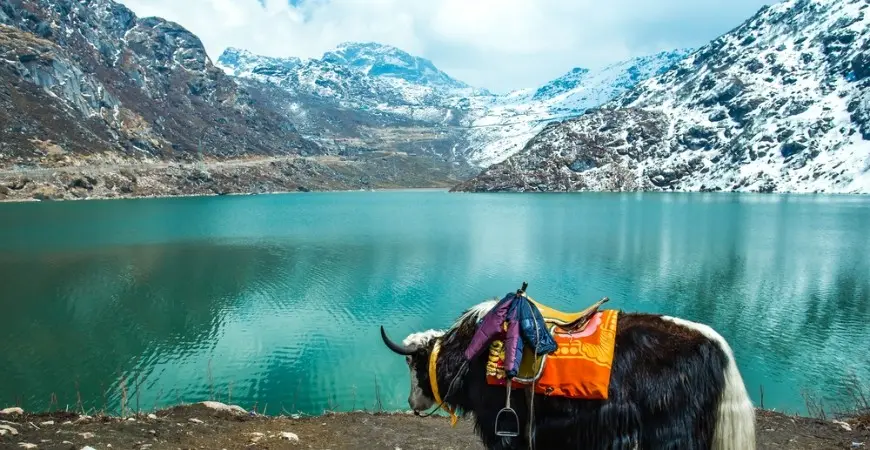
Winter (December to February) is the time when Tsomgo Lake, Lachung and Yumthang gets covered with snow. Magical for snow lovers, but the cold is bad, and some roads may be closed after heavy snow.
Monsoon (June-September) fills the waterfalls and makes the hills lush green. Hotels are less expensive, and there are fewer people. Avoid long, risky drives and be flexible because heavy rain causes landslides and delays.
Both seasons have rewards for the patient and prepared traveler. Now let’s compare all four seasons side by side.
Season | Months | Temperature | Crowd Level | Best For | Drawbacks |
Spring | March to May | Mild to warm (about 8 to 24°C) | High | Flowers, sightseeing, family trips | Busy hotels, higher prices |
Monsoon | June to September | Warm and wet (about 16 to 25°C) | Low | Green views, waterfalls, budget travel | Landslide risk, road delays |
Autumn | October to mid-December | Cool and crisp (about 8 to 22°C) | High | Mountain views, photography, trekking | Crowds, early bookings needed |
Winter | December to February | Cold (about 4 to 15°C in towns, lower up north) | Medium | Snowfall, quiet stays | Very cold nights, possible road closures |
Simply, spring or autumn for the comfort, winter for the snow, and the monsoon for the peace and the savings. Temperatures are approximate and cooler in high places like Lachung and Yumthang.
Season chosen? Now let's choose where we go.
When Does It Snow in Sikkim?
You know, you wake up in the hills, and you pull back the curtain, and you look out over the whole valley below, all white. This is the magic of snowfall in Sikkim, and many travelers plan their whole trip for this moment. So, When Does It Snow In Sikkim? Simply put, the snow season is between December and February, but the high mountains can get their first flakes even earlier.
Here’s what you need to know before you book your ticket:
Snowfall peaks between December and February
Higher altitude is the first place to get snow.
Road conditions can change rapidly.
Pack warm layers and check permits in advance.
For snowfall, January and February are the best months to visit Sikkim when the cold is at its peak, and places like Yumthang and Tsomgo Lake look the prettiest. Early December is also beautiful, with less snow and fewer crowds. Gangtok doesn't get snow very often, so go higher to touch it
Top Snow Destinations: Yumthang, Nathula and Gurudongmar
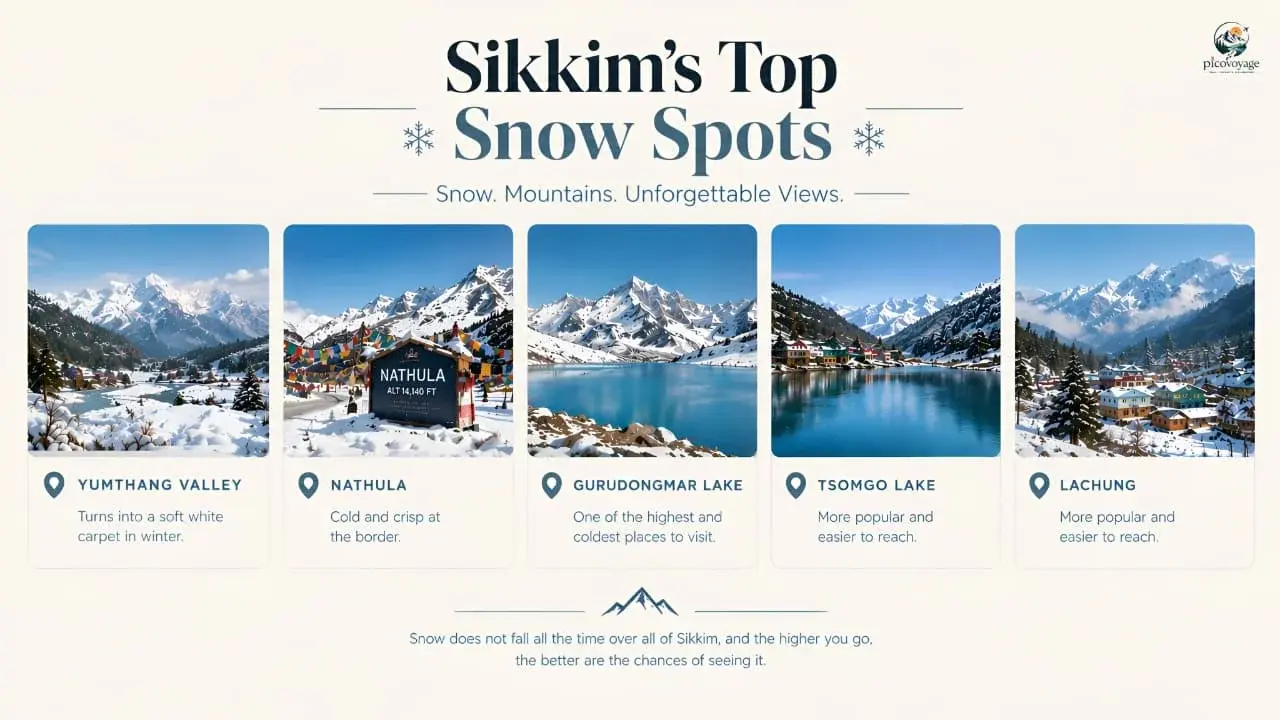
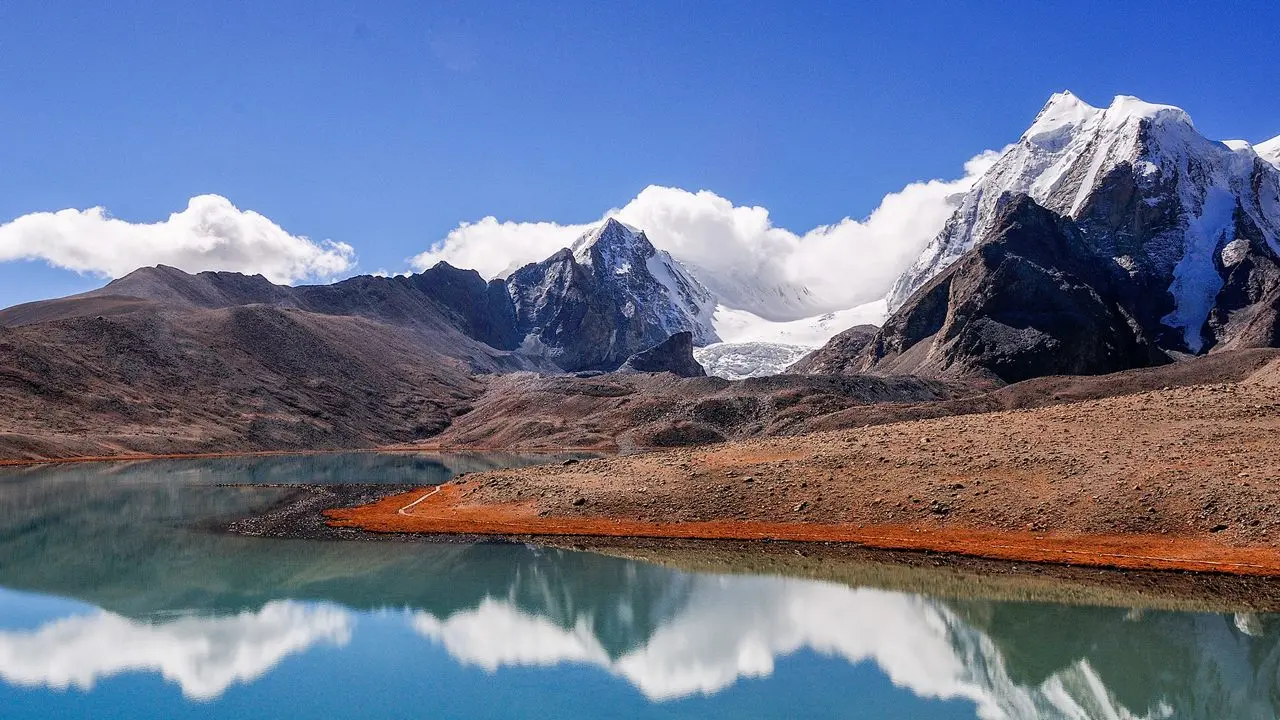
Snow does not fall all the time over all of Sikkim, and the higher you go, the better are the chances of seeing it. Yumthang Valley turns into a soft white carpet, NathuLa is cold and crisp at the border, and Gurudongmar Lake is one of the highest and coldest places to visit. Tsomgo Lake and Lachung are more popular and easier to reach. The table below will help you pick the right snow spot.
Place | Altitude (approx.) | Best Months for Snow | Permit Needed | What Makes It Special |
Tsomgo (Changu) Lake | 3,780 m | December to February | Yes | Closest snow spot to Gangtok, great for short trips |
Nathu La | 4,310 m | December to March | Yes | Border views and thick snow on the roads |
Yumthang Valley | 3,600 m | January to March | Usually through the Lachung route | Snowy valley with mountain views |
Lachung | 2,700 m | December to February | Usually arranged for North Sikkim trips | Cosy village stay and easy access to Yumthang |
Gurudongmar Lake | 5,150 m | November to March | Yes | One of the highest lakes in India, very cold and open |
Average Altitudes. Roads can change quickly or close after heavy snow, so build in an extra day, pack warm layers, and check permits early. Your hotel or a local registered travel agent can assist. Snowfall varies year on year - check official tourism and weather updates before you go.
When Should You Visit Sikkim for Flowers, Treks and Festivals?
Sikkim is more than just snow and views of mountains. Wander through rhododendron forests, climb trails with Kanchenjunga ahead of you, and join a village party of music and dance, and you'll know why travellers keep returning. So, when to visit Sikkim for flowers, treks and festivals? Your preferences dictate the timing, as there is something special to see almost every month.
This is what you need to remember:
The best time to go for Dzongri, Goecha La and Singalila treks is in April and May.
Good weather for trekking in autumn.
Losar and Losoong bring in cultural festivities.
Book local accommodations early during festival months.
April and May are the ideal months to visit Sikkim for viewing the vibrant rhododendron blooms. The hills are colorful, the weather is pleasant, and trails like Dzongri, Goecha La, and Singalila are at their prettiest. Another good time to trek is from October to November, with clear skies and crisp mountain views. Beginners should take shorter treks; all should trek with a registered local guide and check permits early.
Major Festivals and Cultural Events in Sikkim
If you want to get the heart of Sikkim, plan your travel around a festival. The locals are welcoming to visitors, and the monasteries, food, and traditional dress will make the experience unforgettable.
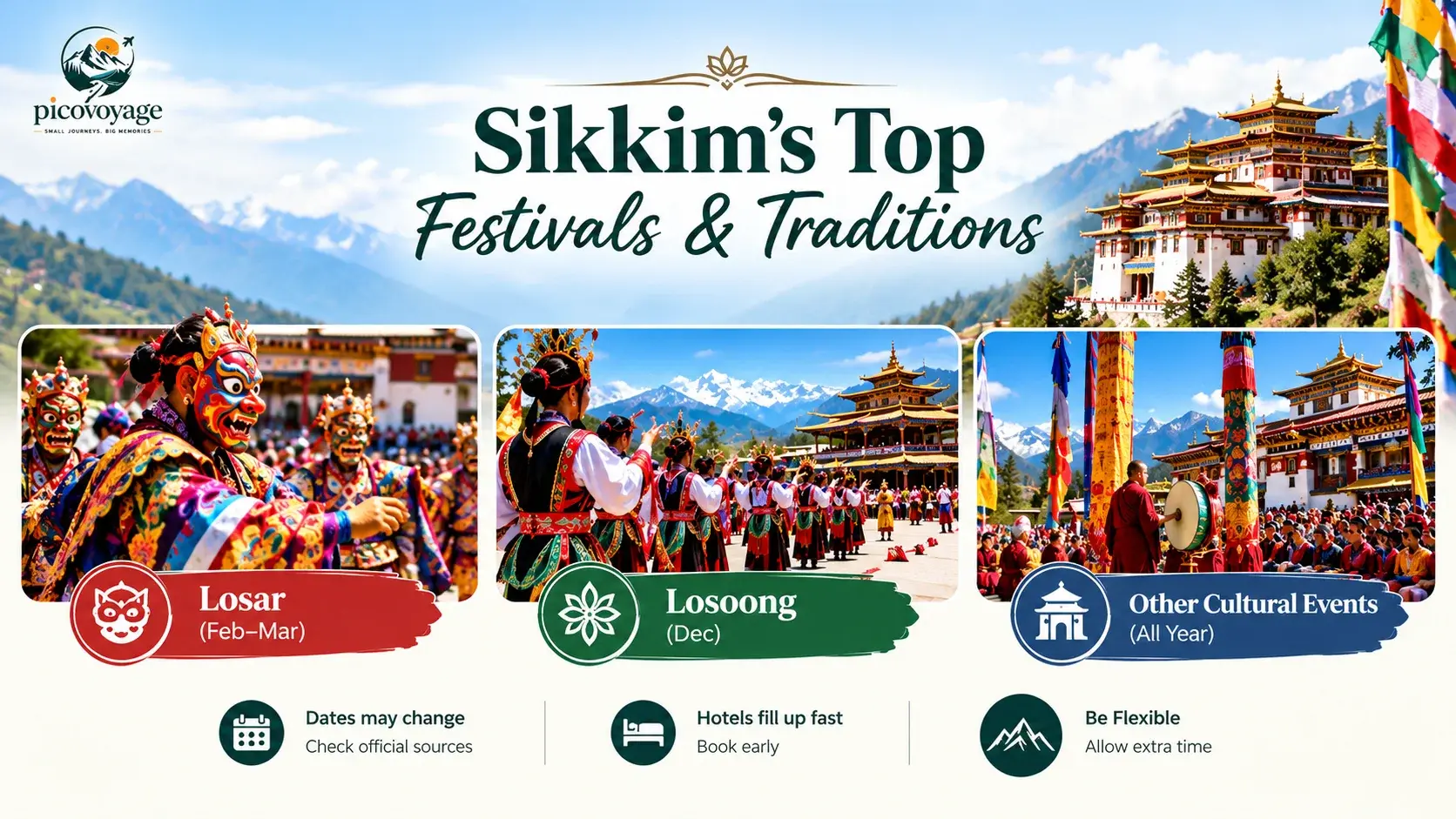
Losar (February or March): The Tibetan New Year, with prayers, dances and family feasts.
Losoong (December): Sikkimese New Year with colorful monastery events and warm community gatherings.
Other cultural events: Many local fairs and monastery festivals are held through the year, so ask your hotel for current dates.
Festival dates can change from year to year, so check with official tourism sources before you book. During these months, hotels fill up quickly, so make your reservation early and leave some flexibility in your plan.
Good travel advice comes from experience and trusted sources. The following tips are based on general seasonal patterns in Sikkim and local travel advice. Things can change rapidly with trail and weather conditions, so please consult official updates and ask a registered local travel agent before you depart.
Flowers, treks and festivals are sorted; now let’s find the cheapest time to visit Sikkim.
What Is the Budget-friendly Time to Visit Sikkim?
Dreaming of Sikkim but keeping an eye on your budget? Good news: you can have the hills without breaking the budget. When is the best time to visit Sikkim? Usually monsoon and late January. April, May and October are the most expensive.
Money tips quick:
The lowest prices are in the monsoon and late January.
Book early in high season.
Save with shared taxis and homestays.
Combine nearby destinations and reduce travel days.
Here’s how the Sikkim trip cost varies with the season.
Season | Months | Hotel and Package Prices | Crowd Level |
Spring | March to May | High | High |
Monsoon | June to September | Lowest | Low |
Autumn | October to mid-December | High | High |
Winter | Mid-December to February | Medium, lower in late January | Medium |
These are patterns, not fixed prices.
How to Save Money on a Sikkim Trip
In high season, hotels and packages tend to be pricier because many travelers seek out flowers and clear views. On the flip side, the off-season has better deals and fewer crowds. For even more savings, go for homestays and shared taxis. You can also club nearby places like Gangtok, Pelling, and Ravangla so that there are less number of travel days.
There’s nothing quite like advice from real experiences and trusted sources. They are based on typical travel patterns and local advice. Prices vary from year to year, so do your research and ask your hotel or a licensed local travel agent.
Budget sorted, here’s what you need to know before you plan your trip to Sikkim.
What Should You Know Before Planning a Sikkim Trip?
Some planning goes a long way in the hills. Knowing the rules, the roads and the altitude is helpful before you pack. What should you know before planning a Sikkim trip? Mostly the permits, the weather, and how to stay safe high up.
These basic points:
Indian tourists require permits for restricted areas like Nathula and Gurudongmar.
Foreigners require a Restricted Area Permit.
Acclimate to prevent altitude sickness.
Bring cash as ATMs are scarce in remote areas.
Carry a valid photo ID and a few passport-size photos, and get your hotel or a registered local travel agent to help arrange permits early. And rules can change, so check those before you go.
Packing List, Altitude Safety and Road Conditions
Pack warm layers, a raincoat, comfortable shoes, sunscreen, a power bank, and personal medicines. At high places like Gurudongmar, go slow. Drink water and rest if you feel dizzy or get a headache. Rain or snow can change hill roads quickly, so plan to start early and keep a spare day in your plan.
Good advice is based on experience and comes from people you trust. The tips are based on common travel patterns and local advice. Be sure to check the official updates before you go.
When you already know what you want to do, why should you trust this Sikkim map? Come look around.
Why Trust This Sikkim Travel Guide?
Sikkim is not a place to take advice from the internet, especially in the hills where the weather, roads, and permits can change in a flash. So, what makes this Sikkim travel guide worth your trust? So you can plan with confidence: every tip here is written in simple words, is based on trusted sources, and is checked for updates.
Here’s a tip that most travelers can use: get up early. The mornings in the hills are generally clearer, so places like Yumthang, Pelling and Tsomgo Lake often look their best before the clouds roll in. These are small tips like these, derived from the usual mode of travel people use and from the advice of local hotel hosts and registered travel agents, the ones who know the best roads.
Official Sources for Sikkim Weather and Permit Information
Weather and permit regulations are liable to change, and this guide is based on trusted sources such as the Sikkim Tourism Department, the India Meteorological Department (IMD) and official permit portals. This helps us to ensure our seasonal advice, permit information and travel tips are as accurate as possible.
Now that you understand the sources of this advice, you can confidently proceed with planning your trip to Sikkim.
How to Reach Sikkim: By Air, Train and Road
Sikkim may seem remote, but it’s more accessible than most people think. Now, how to reach Sikkim? Most travelers fly into Bagdogra or take a train to New Jalpaiguri and then travel by road to Gangtok.
Best Way to Reach Sikkim by Air, Train and Road
By air: The Bagdogra Airport (IXB) near Siliguri is the nearest major airport, with regular flights from many Indian cities. It takes 4–5 hours by road from Gangtok. Pakyong Airport is closer to Gangtok, but it has fewer flight options, so check availability before booking.
The railroad stations that are closest are Siliguri Junction and New Jalpaiguri (NJP). Both have great connections to big cities. There, take a taxi or shared jeep to Gangtok.
By road: The Siliguri-Gangtok road follows the Teesta River and offers lovely views. Taxis, shared jeeps and busses available; the trip takes about 4 to 5 hours.
Journey times are approximate and subject to change with the weather, so set out early and allow for a spare day in the monsoon. Please check flight, train and road updates with official sources or a registered local travel agent before you travel.
Conclusion
Sikkim is one of those places which stays with you long after the trip is over. Whether you fancy spring flowers, clear autumn views, a snowy winter escape or a quiet, budget-friendly monsoon break, there is a perfect time for every kind of traveler. The most popular months are March to May and October to mid-December, with winter being best for snow and the monsoon for savings.
Start your days early and keep your schedule flexible, because hill weather can change quickly, so plan your permits early and pack warm layers. A little preparation makes the trip smooth and stress-free. If you need help planning your Sikkim trip, from choosing the right season to booking stays and arranging permits, PicoVoyage is ready to guide you. Pack your bags, head for the hills, and let Sikkim surprise you.
Frequently Asked Questions
What is the best time to visit Sikkim?
The most popular months are March to May and October to mid-December. The weather is pleasant, roads are easier, and mountain views are at their best. Every season has its own charm, so the right month depends on what you want from your trip.
When does it snow in Sikkim?
Snowfall usually peaks between December and February, though high mountain areas can see their first flakes earlier. January and February are the best months for snow. Gangtok rarely gets snow, so travellers head to higher places such as Yumthang, Tsomgo Lake, Lachung or Nathu La.
Which month is best for seeing flowers in Sikkim?
April and May are ideal for rhododendron blooms. Valleys like Yumthang look colourful, and the weather is mild. Trails such as Dzongri, Goecha La and Singalila are also at their prettiest in these months.
Is monsoon a good time to visit Sikkim?
Monsoon (June to September) offers lush green hills, full waterfalls, lower hotel prices and fewer crowds. The downside is heavy rain, which raises the risk of landslides and road delays. If you travel then, keep your plans flexible and avoid long, risky drives.
What is the cheapest time to visit Sikkim?
Hotel and package prices are usually lowest during the monsoon and in late January. April, May and October are the most expensive and busiest months. Staying in homestays and using shared taxis can reduce costs further.
Do I need a permit to visit places like Nathu La and Gurudongmar Lake?
Yes. Indian tourists need permits for restricted areas such as Nathu La and Gurudongmar Lake, while foreign visitors need a Restricted Area Permit. Your hotel or a registered local travel agent can help arrange permits early. Rules can change, so confirm the latest details with official sources before you travel.
How cold does Sikkim get in winter?
Towns like Gangtok see temperatures of roughly 4°C to 15°C in winter, while North Sikkim places such as Lachung and Yumthang are much colder, with snow and freezing nights. Pack warm layers and keep your schedule flexible, as heavy snow can close some roads.
Which is the best season for clear Kanchenjunga views?
Autumn, from October to mid-December, is best. Skies are clear after the monsoon, so Kanchenjunga looks sharp and close. Mornings are usually clearer than afternoons, and Pelling is well known for its sunrise views on clear days.
How can I reach Sikkim?
Most travellers fly into Bagdogra Airport (IXB) near Siliguri or take a train to New Jalpaiguri (NJP), then continue by taxi or shared jeep to Gangtok. The road journey takes about 4 to 5 hours. Pakyong Airport is closer to Gangtok but has fewer flights, so check availability before booking.
What should I pack for a Sikkim trip?
Carry warm layers, a raincoat, comfortable shoes, sunscreen, a power bank and personal medicines. Keep a valid photo ID, a few passport-size photos and some cash, as ATMs are scarce in remote areas. At high places like Gurudongmar, go slowly, drink water and rest if you feel dizzy.
Related Tour Packages
Sikkim Darjeeling Tour Package – 10 Nights 11 Days
10 nights · 11 days Private journey
Sikkim Darjeeling Tour Package – 6 Nights 7 Days
6 nights · 7 days Private journey